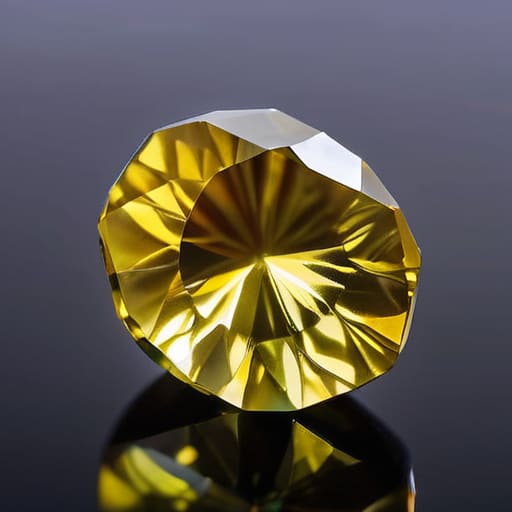
I spent six years hunched over a microscope in a grading lab, and if there is one thing that makes my skin crawl, it’s the way people try to sell “magic” instead of mineralogy. I’ve seen countless sellers lean into the mysticism of chrysoberyl and the cat eye effect, treating that sharp line of light like it’s some sort of supernatural blessing rather than what it actually is: a beautiful interaction between light and microscopic needle-like inclusions. You don’t need a spiritual awakening to appreciate a stone; you just need to know if you’re looking at a rare beryllium oxide crystal or a glass imitation that’s going to scratch the moment it touches your ring.
I’m not here to tell you that wearing a cat’s eye will change your destiny, but I am going to tell you exactly how to identify the real thing. I’ll walk you through the physical reality of how these stones form and give you the practical tools to spot a fake before you open your wallet. By the time we’re done, you’ll understand the actual science behind the glow, and what you decide to do with that knowledge is entirely up to you.
What the Stone Is the Truth of Chrysoberyl and the Cat Eye Effect
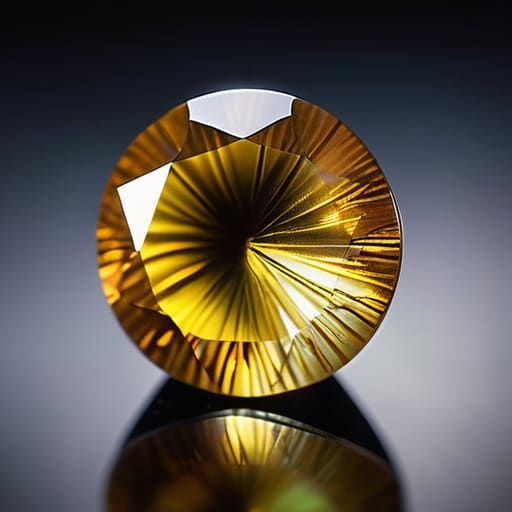
Chrysoberyl is a beryllium aluminum oxide, and it’s a stubborn, hard mineral. On the Mohs scale, it sits at an 8.5, which means it isn’t going to scratch easily if you’re wearing it every day. When we talk about the “cat eye,” we are actually talking about chatoyancy in gemstones—a specific way light plays across the surface. This isn’t caused by a pattern printed on the stone, but by microscopic, needle-like inclusions of rutile that align themselves during the crystal’s growth. When the light hits these tiny needles, it reflects a single, sharp band of light across the dome of the gem.
The color of a good specimen can vary wildly, ranging from a pale, yellowish-green—reminiscent of sea glass found after a storm—to a deep, honeyed gold. In chrysoberyl gemstone quality grading, we look closely at how sharp and centered that light band is. A high-quality stone will have a line that stays straight and crisp as you tilt it under your loupe. If the line is blurry or breaks apart, it’s usually a sign of poor crystal structure or lower-grade material.
The Science of the Gaze Gemstone Light Reflection Science Explained
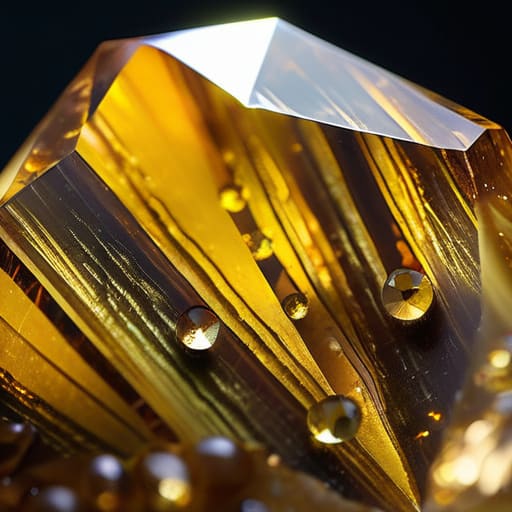
To understand why that slit of light moves when you tilt the stone, you have to look past the magic and into the inclusions. What we are actually seeing is chatoyancy in gemstones, a phenomenon caused by microscopic, needle-like inclusions—usually rutile—aligned in a specific direction within the crystal lattice. When light hits these tiny needles, it doesn’t pass straight through; it reflects off them, creating a concentrated band of light that mimics the pupil of a feline eye.
It isn’t just a simple mirror trick, either. The way these needles are distributed determines the gemstone light reflection science at play. If the needles are too messy or oriented randomly, the light scatters and you get nothing but a dull, muddy stone. But when they are perfectly parallel, you get that sharp, clean line. I always tell people to look for a “milk and honey” effect—where the band is bright and crisp against a slightly darker background—similar to how a dark pebble looks when you pull it out of the North Sea and it’s still slick and wet.
Decoding Chatoyancy in Gemstones Why Some Stones Truly Watch You
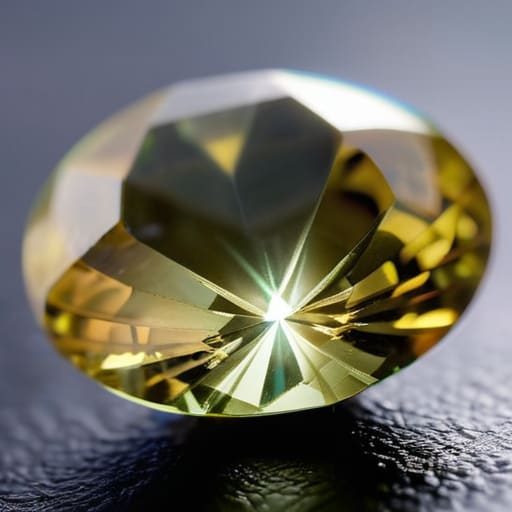
When I’m sitting at my bench, I’m not looking for magic; I’m looking for inclusions. To understand chatoyancy in gemstones, you have to stop looking at the surface and start looking at the architecture inside. A true cat’s eye isn’t a painted line or a trick of the light on a polished facet; it is a physical phenomenon caused by microscopic, needle-like inclusions—usually rutile—that align themselves in parallel tracks during the stone’s formation. When light hits these tiny needles, it doesn’t pass through cleanly; it bounces off them, creating that sharp, moving band of light we call the “eye.”
Not all “eyes” are created equal, and this is where chrysoberyl gemstone quality grading gets interesting. You’ll see different types of cat’s eye effects, ranging from a soft, milky glow to a razor-sharp line that stays centered even when you tilt the stone. In a high-quality specimen, that band should be as straight and distinct as a glint of light on a wet pebble. If the line is blurry, broken, or wanders aimlessly, you’re likely looking at a lower grade or a clever imitation.
The Spectrum of Sight Understanding Different Types of Cats Eye Effects
When you’re looking through a loupe, you quickly realize that not all “eyes” are created equal. In the world of natural chrysoberyl varieties, the most coveted version is the single, sharp line of light that runs straight down the center of the stone. This is what we call a true cat’s eye. It looks like a needle of light caught in a drop of honey. But you’ll also run into “milk and honey” stones, where the light is more diffuse, or even stones with multiple lines. While these are still technically examples of chatoyancy in gemstones, they sit much lower on the scale of chrysoberyl gemstone quality grading.
It isn’t just about the number of lines, either; it’s about the clarity and the movement. A high-quality stone has a line that stays crisp even when you tilt it, moving with a fluid, liquid grace. Some cheaper imitations or lower-grade minerals have a “fuzzy” eye that looks more like a smear of grease on a window than a focused beam of light. I always tell people to watch how the light behaves as they turn the stone; if the eye jumps or breaks, you’re likely looking at something far less stable than a true, high-grade specimen.
Natural Chrysoberyl Varieties Distinguishing the Earths Genuine Offerings
When you start looking at the market, you’ll realize that “cat’s eye” isn’t just one thing. In the lab, we look for specific natural chrysoberyl varieties that carry that sharp, singular band of light. The most sought-after is the classic honey-colored stone, though you can find them in greens that look like sea glass after a storm or even a deep, brownish-yellow. The real gold standard for chrysoberyl gemstone quality grading is the sharpness of the line; it shouldn’t be a blurry smear, but a crisp, bright streak that stays centered when you move the stone under your loupe.
Then there are the outliers. You’ll occasionally see Alexandrite—which is actually a variety of chrysoberyl itself—showing off its color-change trick alongside a subtle chatoyancy. It’s a different beast entirely. You might also run into quartz or even synthetic glass being sold as the real thing. While those can mimic the optical phenomena in minerals to a casual eye, they lack the structural “soul” and the specific hardness that a true chrysoberyl possesses. A real one feels substantial, not just visually, but physically.
Optical Phenomena in Minerals Separating Real Magic From Clever Tricks
When you’re sitting at a bench with a loupe, you start to realize that most “magic” is just clever physics. In the world of optical phenomena in minerals, there is a massive difference between a stone that possesses innate chatoyancy and one that has been manipulated to mimic it. I’ve seen plenty of glass or synthetic spinel that has been etched or coated to create a fake band of light. It looks convincing from a distance, like a slick, oily sheen on a wet pebble, but once you get close, the illusion falls apart. The light doesn’t dance; it just sits there, static and lifeless.
To tell the difference, you have to look at how the light behaves when you move the stone. In a true chrysoberyl, the line is sharp and moves fluidly across the surface as the angle changes. If the “eye” looks blurry, or if it seems to jump or stutter when you tilt it, you’re likely looking at a trick. Some manufacturers use fiber-optic inclusions or even surface treatments to fake the effect. It’s a clever bit of engineering, but it lacks the structural soul of a natural variety.
Chrysoberyl Gemstone Quality Grading Knowing Exactly What You Hold
When I sit down with a specimen for chrysoberyl gemstone quality grading, I’m not looking for perfection; I’m looking for integrity. A top-tier stone needs a sharp, straight line of light running right through the center. If the band looks fuzzy or wanders toward the edges like a smudge on a window, the value drops. I always check the color first—I prefer a honey-yellow that looks like sea glass after a storm, deep and saturated but not muddy.
The second thing I scrutinize is the surface. Because chrysoberyl is quite hard, it should hold a polish that feels almost liquid. You’ll often see different types of cat’s eye effects in the market, but in a high-quality natural stone, the light shouldn’t just sit on the surface; it needs to feel like it’s emerging from deep within the crystal lattice. If the light looks “stuck” or if the band breaks up when you tilt the stone, you’re likely looking at a lower grade or perhaps a synthetic substitute trying to mimic the real thing.
Beyond the Hype
A real chrysoberyl doesn’t need a sales pitch about spiritual energy to impress me; it just needs that sharp, silk-lined line of light moving through the crystal like a needle through wet moss. If you can see the structure, you’re seeing the history of the earth, not just a clever trick of the light.
Dagny Solheim
Final Thoughts on the Gaze
At the end of the day, identifying a true chrysoberyl comes down to looking past the surface and understanding the chemistry and the light. We’ve looked at how the needle-like inclusions create that sharp, moving line of light, and how to tell a genuine mineral from a glass imitation or a synthetic substitute. Whether you are checking for a crisp, straight band of chatoyancy or examining the hardness of the stone to ensure it isn’t a softer lookalike, the goal is the same: knowing exactly what you are holding. Once you understand the difference between a geological miracle and a lab-grown trick, you can shop with a bit of confidence.
Whether you want to hold a piece of chrysoberyl because you find its mineralogical history fascinating, or because you feel a certain pull toward the way it seems to watch you from the palm of your hand, that is your choice. I don’t care if you see it as a complex optical phenomenon or a lucky charm; I just want you to know the truth of the matter. There is something deeply grounding about owning a stone that has been shaped by heat and pressure over millions of years. If a stone makes you feel something, respect the chemistry that made it possible, and then enjoy the magic of it.
