
I spent six years hunched over a microscope in a grading lab, and if there is one thing that gets under my skin, it’s the way people talk about alexandrite. You’ll see it in high-end catalogs, wrapped in this mystical, almost magical language that suggests the stone is performing a spell. It’s nonsense. There is no magic here, just a very specific way that chromium ions react to different wavelengths of light. When people obsess over alexandrite and the colour change that made it famous, they often lose sight of the actual mineral sitting in their hand. They get so caught up in the “emerald by day, ruby by night” myth that they forget they are holding a complex silicate that requires a bit of geological respect to truly understand.
I’m not here to sell you a dream or tell you how this stone will align your chakras. What I will do is tell you exactly what this stone is made of, why that color shift happens, and—most importantly—how to spot a lab-grown imitation that’s trying to pass itself off as a natural rarity. I’ll give you the straight facts on what to look for under a loupe so you don’t get burned. Once you know the truth about the stone, what you decide to do with it is entirely up to you.
The Truth About Alexandrite and the Colour Change That Made It Famous
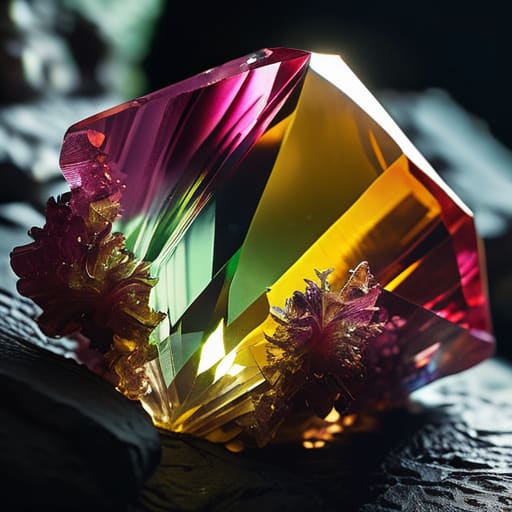
The magic happens because of how light interacts with the chemistry inside the crystal. Specifically, it comes down to the chromium in alexandrite crystals. In most stones, chromium just makes things red, like a ruby. But in alexandrite, the way the electrons absorb light is much more complex. When you’re under sunlight, you see a lush, forest green—the kind of green you see on a mossy rock after a heavy rain in Bergen. But move it under an incandescent bulb, and it shifts into a raspberry red.
This isn’t just a simple tint; it’s a deep, structural transformation. People often compare it to emeralds, but the alexandrite vs emerald color shift is a completely different game. While an emerald stays green regardless of the lamp, alexandrite is constantly negotiating with the light. This phenomenon is why the rarity of color-changing gemstones is so high; getting that perfect balance where the green looks rich and the red looks velvety, rather than muddy, is a geological miracle.
What Chromium in Alexandrite Crystals Actually Does to the Light
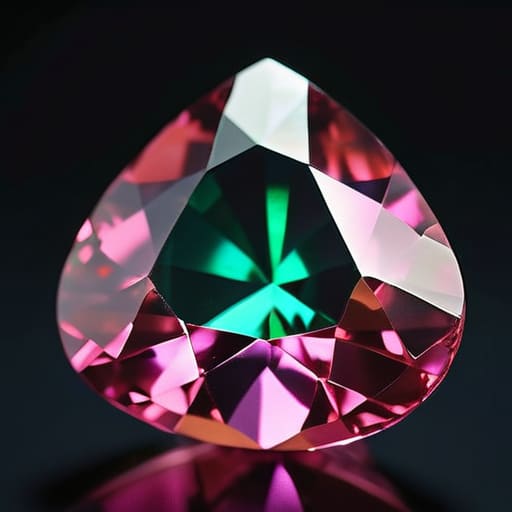
To understand why this stone behaves so strangely, you have to look past the sparkle and look at the chemistry. Alexandrite is a variety of chrysoberyl, and the magic happens because of chromium in alexandrite crystals. Usually, chromium is what makes an emerald look so lush and green, but in this specific crystal structure, it plays a much more complex game with light. Instead of just absorbing certain wavelengths, the chromium ions act like a sort of selective filter.
When you move from sunlight into a warm tungsten lamp, you aren’t just seeing a different light source; you are seeing the stone react to the specific energy being thrown at it. Under daylight, the chromium absorbs the red end of the spectrum, leaving you with a color like deep, mossy seaweed after a storm. But shift to incandescent light, and the stone suddenly pulls those red wavelengths back in. This isn’t just a simple surface tint; it is a fundamental gemstone color change under different lighting conditions that happens deep within the lattice. It’s a bit of a chemical tug-of-war, and it’s why the stone feels so alive in your hand.
Gemstone Color Change Under Different Lighting the Real Magic
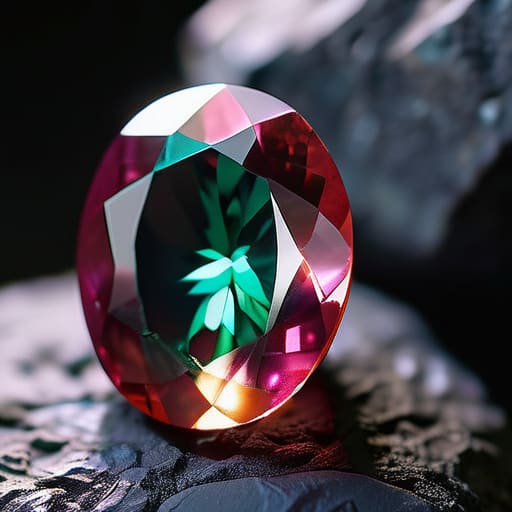
When you’re sitting in a bright shop under those harsh LED spotlights, the stone might look like a crisp, forest green—the kind of green that looks like a mossy rock pulled straight from a fjord. But move it near a window with warm afternoon sun, and suddenly it’s flushing into a raspberry red. This gemstone color change under different lighting isn’t a trick of the light; it’s the stone reacting to the specific wavelengths available to it. It’s a bit like how a piece of granite looks completely different when it’s soaked in seawater versus when it’s bone dry.
If you’re looking at a stone that stays stubbornly one color regardless of the lamp, you aren’t holding alexandrite. I often see people confuse it with certain emeralds, but the alexandrite vs emerald color shift is a massive distinction. While an emerald is a steady, beautiful green, a true alexandrite is a shapeshifter. If you see a stone that shifts, but the colors feel “muddy” or gray rather than vibrant, it might be a synthetic or a lesser variety. Watch the transition closely; the real magic is in how fluid that movement feels.
The History of Alexandrite Discovery and Its Royal Beginnings
The history of alexandrite discovery isn’t just about a mineral; it’s about a massive coincidence of politics and geology. It all traces back to the Ural Mountains in Russia around the 1830s. Before this, people were used to seeing stones that stayed one color, but then this variety of chrysoberyl appeared. It was named after Tsar Alexander II, and because the stone shifted from a lush, mossy green to a raspberry red, it was seen as a symbol of the Russian empire—the green of the land turning into the red of the imperial flag.
Because of this connection, the stone became a high-stakes status symbol for European royalty. It wasn’t just a pretty object; it was a geological marvel that felt almost political. This is where we see the true rarity of color-changing gemstones manifest in history. While people often compare the alexandrite vs emerald color shift in terms of how they look in a velvet box, the real drama was in the discovery itself. It was a stone that felt like it belonged in a crown, caught between two different worlds of light.
Alexandrite Pleochroism Explained Why the Stone Shows Different Faces
People often get confused between the color change caused by the light source and something called pleochroism. While the color change is about the lamp you’re standing under, pleochroism is about the crystal itself. Because of how the atoms are arranged, alexandrite absorbs light differently depending on which angle you’re looking through. It’s a bit like looking at a piece of sea glass through a prism; the color isn’t just shifting because of the sun, it’s shifting because of the geometry of the stone.
When I’m looking through my loupe, I see it as a dual personality. If you rotate the stone, you might see a deep, mossy green in one direction and a muddy, brownish-red in another. This alexandrite pleochroism explained simply is just the stone’s way of showing its different faces. It isn’t a defect or a sign of a fake; it’s a fundamental part of the mineral’s identity. Understanding this helps you realize that the rarity of color-changing gemstones comes from this complex dance of light and structure, making it much more than just a pretty trick.
Alexandrite vs Emerald Color Shift Knowing the Difference
Because both stones rely on chromium to get their color, it’s easy to see why people get them confused. If you’re looking at a green stone, you might find yourself wondering about the alexandrite vs emerald color shift and whether you’re actually seeing a color-change phenomenon or just a static emerald. The easiest way to tell is to look at the “wetness” of the color. An emerald usually stays a consistent, lush green, like moss on a damp rock in a Norwegian forest. It doesn’t care if you move it from the sun into a dim room; it stays green.
Alexandrite is much more temperamental. If you see a stone that looks like a deep, teal sea under daylight but suddenly shifts to a raspberry red or a muddy purple under a warm lamp, you’re likely looking at the real deal. This happens because of how chromium in alexandrite crystals interacts with different wavelengths of light. An emerald lacks that dramatic transformation. While emeralds are beautiful, they don’t have that shifting personality that makes alexandrite so much more complex to grade.
The Rarity of Color Changing Gemstones and What It Costs
When you start looking at the market, you quickly realize that the rarity of color-changing gemstones isn’t just a marketing line; it’s a matter of geological luck. For a stone to show a dramatic shift, the chemistry has to be perfect. You need the right host mineral and a very specific amount of chromium to act as the colorant. If there is too much or too little, the effect is muddy or nonexistent. Because the conditions required to grow these crystals are so specific, finding a high-quality alexandrite is like finding a specific type of pebble on a stormy Norwegian beach—you know it’s there, but you won’t find it just by walking along the shore.
This scarcity is exactly why the price tag jumps so aggressively. You aren’t just paying for a pretty rock; you are paying for a chemical anomaly. When I see a stone that shows a sharp, clean transition between those teal-greens and raspberry-reds, I know I’m looking at something that took millions of years to get just right. You’ll see much cheaper stones that claim to do the same, but they usually lack that deep, saturated life. Invest in the chemistry, not just the color, because a stone with a weak shift is just a stone that’s lost its soul.
Beyond the Hype
People get caught up in the magic of a stone that changes color, but to me, the real wonder isn’t some mystical energy—it’s the way chromium interacts with light inside a chrysoberyl crystal. It’s a bit like the sea after a storm; one minute it’s a deep, mossy green, and the next, under a different light, it’s a bruised, sunset red. Once you understand the chemistry, you stop looking for magic and start appreciating the sheer, geological luck of finding something so complex.
Dagny Solheim
Finding Your Own Alexandrite
At the end of the day, alexandrite is just a complex way of saying chrysoberyl with a bit of chromium tucked inside. We’ve looked at how that chemistry forces the light to dance between green and red, how pleochroism gives the stone its depth, and why a real specimen is so much harder to find than a lab-grown imitation. Whether you are looking at the way the color shifts under a tungsten bulb or checking for the specific inclusions that prove it wasn’t cooked in a furnace, the goal is the same: understanding the physical reality of the mineral. Once you know how to spot the difference between a genuine rarity and a clever synthetic, you aren’t just buying a pretty object; you are investing in a geological miracle that took millions of years to perfect.
I know people use these stones for all sorts of reasons—some want them for their chemical rarity, others for the way they feel against their skin, and some just like the way they look in a ring. I don’t care which camp you fall into. To me, there is something deeply grounding about holding a stone that refuses to be just one thing. It reminds me of the North Sea after a storm; it’s never just one shade of grey or blue, but a shifting, living thing. If you find a piece of alexandrite that speaks to you, hold onto it tight. Just make sure you know exactly what you’re holding.