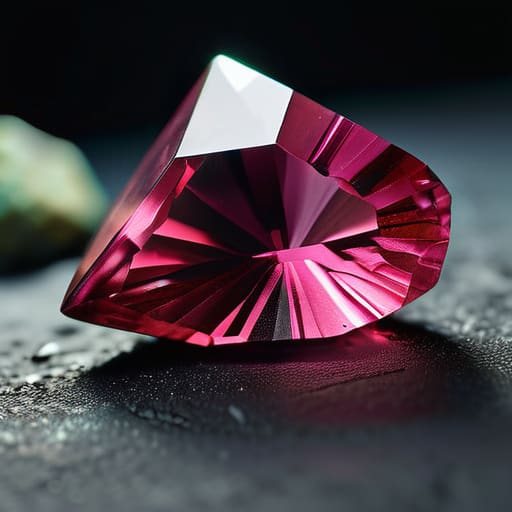
I spent six years hunched over a microscope in a grading lab, and if there is one thing that gets under my skin, it is the way people talk about rubellite as if it were some mystical, standalone entity. You’ll see shops labeling stones with grand, sweeping claims about “the power of the red stone,” but they rarely bother to explain the actual mineralogy of rubellite and where it sits among the tourmalines. To a gemmologist, it isn’t a separate species; it is simply a tourmaline that happens to have enough manganese to turn that deep, saturated pink or red—the kind of color that looks like a bruised pomegranate left out in the rain.
I am not here to sell you on any spiritual energy or to inflate the price of a specimen with flowery adjectives. My goal is to give you the hard science and the practical reality of what you are actually holding in your hand. I will walk you through the chemical composition that creates that hue and show you how to distinguish a genuine, high-quality stone from the glass-filled imitations that clutter the market. Once you understand the geology, what you choose to do with the stone—whether you wear it or keep it on a shelf—is entirely up to you.
Understanding Rubellite and Where It Sits Among the Tourmalines
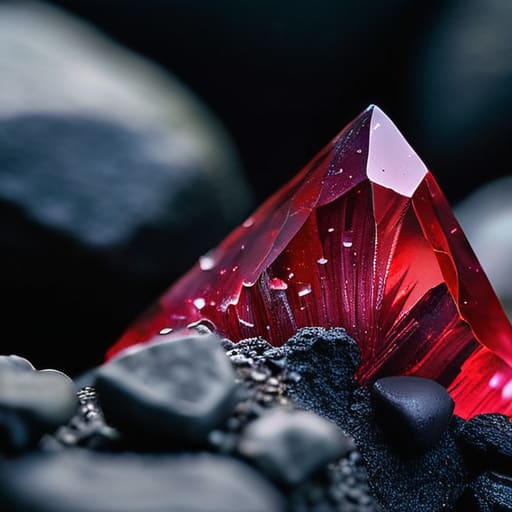
To understand rubellite, you have to look at the tourmaline chemical composition first. Tourmaline isn’t just one thing; it’s a complex group of minerals that change their look based on which elements are invited to the party. Rubellite is specifically a variety of elbaite. While some tourmalines are mostly water and boron, the ones we call rubellite have just enough manganese to shift the hue into those deep, saturated tones. I always think of the color like a piece of polished garnet pulled straight from a tide pool—that heavy, wet, dark crimson that looks almost black until the light hits it just right.
In the broader pink and red gemstone classification, people often get confused and start asking about red tourmaline vs ruby. It’s a fair question, but the science is different. A ruby is corundum, born of aluminum and oxygen; rubellite is a silicate. They might look similar in a velvet box, but their rubellite crystal structure tells a different story under a loupe. It’s a complex, layered arrangement that gives the stone its unique way of playing with light, making it feel much more “alive” than a standard red stone.
Key Things to Know
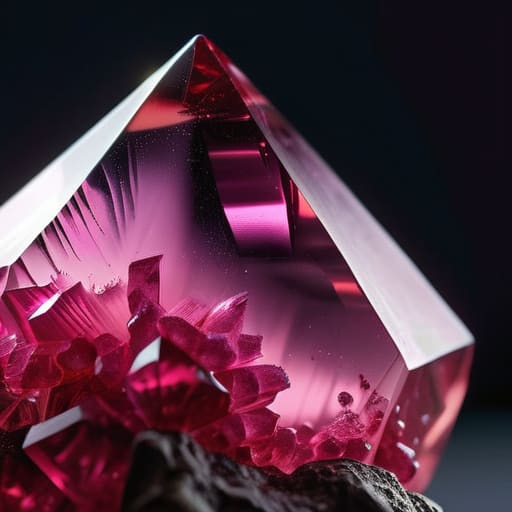
First, let’s talk about the chemistry. Rubellite isn’t a separate species; it’s a variety of elbaite. The color comes from trace amounts of manganese getting caught in the tourmaline chemical composition during the crystal’s growth. When I look at a high-quality specimen, I’m looking for that deep, saturated hue that looks like a crushed raspberry left out in a rainstorm. Because the color is driven by these specific impurities, you’ll find that the elbaite tourmaline color spectrum is incredibly broad, stretching from pale watermelon pinks to those intense, moody magentas.
You also need to be aware of the common confusion regarding red tourmaline vs ruby. To a casual observer, a deep red tourmaline might look like a corundum, but the way they interact with light is fundamentally different. Under a loupe, a ruby has a certain structural “tightness,” whereas a rubellite often shows internal inclusions that tell the story of its volcanic or pegmatitic origins. Understanding the gemstone mineralogy of tourmalines helps you realize that rubellite is a complex, layered thing—not just a red stone, but a chemical history book.
Practical Tips and Steps
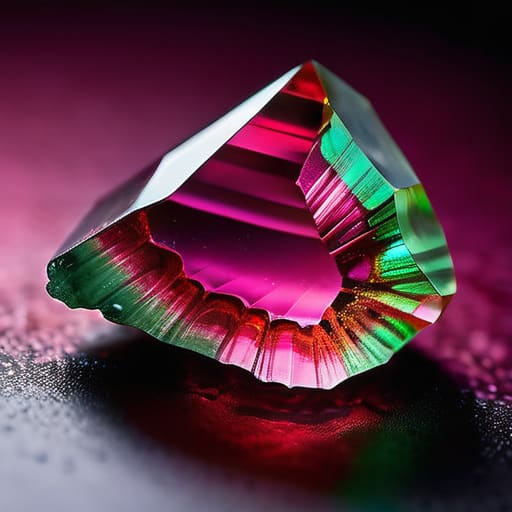
If you’re looking to buy a piece, start with a loupe or at least a decent magnifying glass. Because rubellite is a variety of elbaite, you aren’t just looking for a flat color; you want to see the internal life of the stone. A real specimen will often show subtle shifts in tone, moving through the elbaite tourmaline color spectrum from a deep raspberry to a lighter, watermelon-pink. If the color looks too uniform, almost like it was dipped in colored wax, I’d be suspicious. Real stones have inclusions—tiny, microscopic “imperfections”—that prove they grew in the earth rather than being cooked in a lab.
When you’re comparing a piece to a ruby, keep the gemstone mineralogy of tourmalines in mind. Rubies are corundum, much harder and structurally different, whereas rubellite is part of the complex silicate family. You can often tell them apart by how they play with light; rubellite tends to have a slightly more “electric” or vitreous glow, similar to how a wet pebble looks under a grey Norwegian sky. Don’t feel pressured to pay a premium for perfection. I’ve always found that a stone with a bit of character tells a better story than one that’s been over-processed.
Common Mistakes to Avoid
The biggest mistake I see people make is the immediate assumption that a deep red stone must be a ruby. It’s a logical leap, but in the lab, the red tourmaline vs ruby distinction is actually quite easy to make once you look at the inclusions. A ruby is corundum, born of different pressures and chemistry, while a rubellite is part of the elbaite family. If you’re looking at a stone that has a slightly “sleepy” or included look—not quite the glass-like clarity of a high-end synthetic ruby—you’re likely looking at a tourmaline.
Another trap is getting hung up on a single shade of red. Because of the complex tourmaline chemical composition, these stones rarely stay in one lane. You’ll often find stones that shift from a deep, pomegranate red to a bright, watermelon pink depending on how the light hits them. Don’t dismiss a stone just because it doesn’t look like a solid brick of crimson; that color variance is often just a sign of a natural, complex crystal structure rather than a flaw.
Final Thoughts
At the end of the day, a stone is just a piece of the earth’s history that happened to crystallize in a way we find beautiful. Whether you are looking at a deep, saturated pink or a fiery magenta, you are really just looking at the elbaite tourmaline color spectrum in action. Once you understand the gemstone mineralogy of tourmalines, the magic shifts from the “energy” people claim they have to the sheer, improbable luck of finding a crystal with that specific chemical makeup.
I’ve spent enough hours under a loupe to know that the market will always try to simplify things for you, often by mislabeling a stone to hike up the price. But if you can distinguish a genuine rubellite from a cheap substitute, you hold the upper hand. Whether you want to set it in a gold ring or just keep it in a jar on your windowsill, the stone doesn’t care. It has its own hardness and its own composition; what you choose to do with that history is entirely up to you.
Beyond the Label
Don’t let the fancy name fool you; ‘rubellite’ is just a label we use for a specific shade of tourmaline that looks like a crushed raspberry after a heavy rain. Once you understand that it’s just a member of a much larger, complex family, you stop worrying about the marketing and start looking at the actual chemistry of the stone.
Dagny Solheim
Final Thoughts
At the end of the day, identifying a rubellite comes down to looking past the marketing and focusing on the chemistry. Remember that it is fundamentally a pink-to-red variety of tourmaline, defined by its specific trace elements and that characteristic pleochroism that shifts as you turn it under the light. Whether you are checking for inclusions to rule out glass or verifying the hardness to ensure it isn’t a dyed quartz, the goal is the same: knowing exactly what is sitting in the palm of your hand. Once you understand that rubellite is a specific branch of a much larger mineral family, you stop being intimidated by the labels and start seeing the stone for what it truly is.
Whether you intend to set this stone in a custom ring or simply keep it in a velvet pouch on your nightstand, the value is yours to define. I have spent years looking through a loupe, and I can tell you that the most beautiful thing about these stones isn’t their price tag, but the physical history locked inside their crystal structure. If a stone makes you feel something, or if you simply admire the way its color looks like a crushed raspberry after a heavy rain, then you have found something worth keeping. The science tells us what it is; the rest is entirely up to you.
