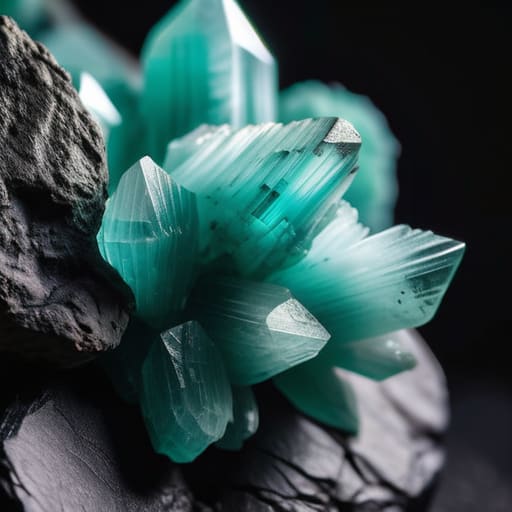
I spent six years hunched over a microscope in a grading lab, and if there is one thing that gets under my skin, it’s seeing people pay premium prices for “spiritual” stones that are actually just dyed glass or low-grade scraps. You’ll see shops online claiming a stone has some cosmic frequency, but when you look at amazonite and the feldspar family behind it, you aren’t looking at magic—you’re looking at a specific chemical recipe of potassium, aluminum, and silica. I’ve seen too many people walk away with a piece of blue-tinted calcite thinking they’ve found a rare treasure, when all they’ve really bought is a very expensive mistake.
I’m not here to sell you on any mystical energy, but I am going to tell you exactly what makes a true amazonite tick. I’ll break down the mineralogy so you can see the difference between a genuine specimen and a cheap imitation, and I’ll show you how to spot the characteristic microcline structure that proves it’s the real deal. Once you know the science, you can use the stone for meditation, jewelry, or just as a pretty pebble on your desk; what you do with it is entirely up to you.
The Truth About Amazonite and the Feldspar Family Behind It
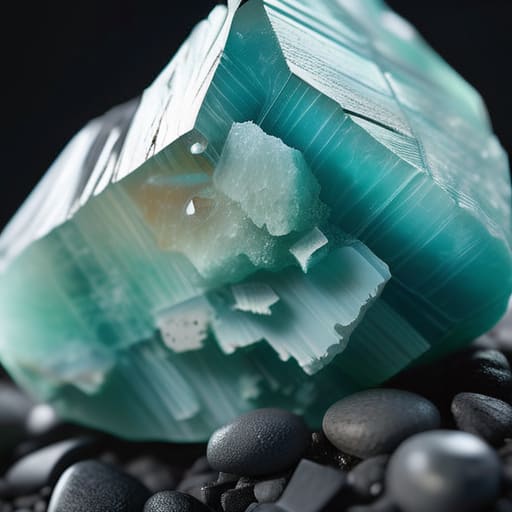
To understand what you’re holding, you have to look past the pretty teal surface. Amazonite isn’t some standalone magic stone; it is a specific variety of microcline, which sits within the massive tectosilicate mineral group. Think of the feldspar family as a huge, sprawling tree, and amazonite is just one particular branch. What makes it unique is its specific microcline crystal structure and the presence of trace amounts of lead and water that create that distinct hue. When I look at a specimen, I don’t just see “blue”; I see a color that looks like the North Sea right after a heavy rain—that specific, opaque, slightly milky turquoise.
Because of its amazonite chemical composition, the stone has a very particular way of interacting with light. You’ll often see white streaks running through it; that’s called perthitic texture, where different feldspars have separated during the cooling process. This is a key tell. If you’re looking at something that seems too uniform or lacks those subtle, internal structural shifts, you might be looking at dyed quartz or even something else entirely. I’ve spent enough hours under a loupe to know that real geological history always leaves a fingerprint.
Inside the Tectosilicate Mineral Group What Makes It Tick
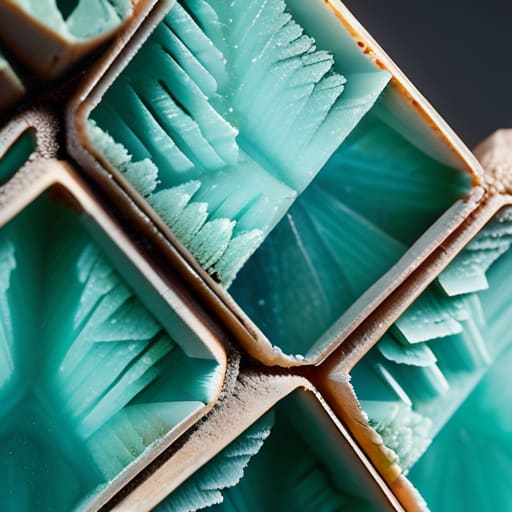
To understand why amazonite looks the way it does, you have to look at its skeleton. It belongs to the tectosilicate mineral group, which is just a fancy way of saying its atoms are linked in a massive, three-dimensional framework of silica tetrahedra. Think of it like a complex scaffolding that stays incredibly rigid. In the case of amazonite, we are looking at a specific variety of potassium feldspar where the microcline crystal structure provides that stable, internal geometry. It isn’t just a random clump of color; it is a highly organized architectural feat of nature.
The actual “magic” happens through a bit of chemical substitution. The amazonite chemical composition involves potassium, aluminum, and silicon, but it’s the trace amounts of lead and water trapped within that lattice that create its signature hue. Without those specific impurities, you’d just have a plain, boring piece of feldspar. When I see a specimen, I look for that specific shade—it reminds me of the sea looking just before a storm breaks, that heavy, opaque teal-green. It is this precise internal chemistry that defines the stone’s character.
Deciphering the Microcline Crystal Structure Without the Fluff
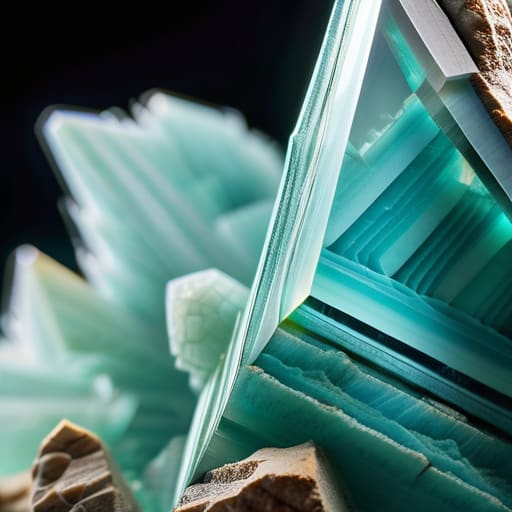
If you look at amazonite under a loupe, you aren’t just seeing a pretty blue-green surface; you are looking at the specific geometry of the microcline crystal structure. Amazonite is a variety of microcline, a potassium-rich feldspar. What makes it unique is a phenomenon called twinning. As the crystals grow, the internal lattice shifts slightly, creating these microscopic patterns that define how the stone reflects light. It isn’t a uniform block of color, but a complex arrangement of atoms that happened to settle into this specific shape during its cooling process.
The color itself is a byproduct of this chemistry. The distinctive teal hue—which reminds me of the North Sea right after a heavy rain—comes from trace amounts of lead and water trapped within the lattice. This amazonite chemical composition is what separates it from other feldspars like orthoclase. You won’t find that specific, milky saturation in a standard piece of granite. When you hold a specimen, you’re holding a map of how these elements were forced together under pressure, locked into a rigid, three-dimensional framework that has remained unchanged for millions of years.
The Raw Science of Amazonite Chemical Composition
If you strip away the marketing, the amazonite chemical composition is fairly straightforward: it’s a potassium aluminum silicate. To get that specific, striking hue, nature has to throw a little curveball into the mix. It isn’t just pure microcline; there has to be a bit of lead and water tucked into the crystal lattice. Without those trace impurities, you’d just have a standard, colorless feldspar. Instead, you get that distinct shade that looks like the sea right after a storm has passed and the light hits the surface.
The way these elements settle determines the amazonite color variations you see in the rough. Sometimes the blue-green is saturated and deep, almost like a piece of sea glass found on a rocky shore, and other times it’s pale and milky. This isn’t magic; it’s just the result of how the elements distributed themselves during the cooling process. Understanding this chemistry is how I tell the difference between a genuine specimen and something dyed or synthetic. One has a complex, internal history written in its atoms, while the other is just a surface-level trick.
Tracing the Geological Formation of Feldspar Through Time
To understand how we get these stones, you have to think about deep time and immense pressure. The geological formation of feldspar isn’t a quick event; it’s a slow, heavy process happening miles beneath the Earth’s crust. Most of the feldspars I work with began as molten magma, cooling incredibly slowly within granite plutons. This slow cooling is what allows the atoms enough time to settle into that orderly, rigid microcline crystal structure we talked about earlier. If the cooling happens too fast, you get different results, but when it’s patient, you get the stability that makes these minerals so enduring.
For amazonite specifically, the story gets a bit more colorful during those final stages of solidification. As the melt cools, trace amounts of water and elements like lead or phosphorus get trapped within the lattice. This is where those striking amazonite color variations come from—it’s essentially a chemical “hiccup” during the cooling process. It’s not magic; it’s just the result of specific impurities being squeezed into the structure as the rock hardens. When I look at a specimen, I’m not just seeing a pretty blue-green; I’m seeing the frozen record of a cooling magma chamber.
Navigating Amazonite Color Variations From Pale to Vivid
When you look at a piece of amazonite, the first thing you notice isn’t just the blue—it’s the way the light hits those white streaks. I always think of the best specimens as looking like the sea right after a storm hits the Norwegian coast; that specific, opaque teal that looks like it’s still dripping with saltwater. You’ll see everything from a pale, milky mint to a deep, electric cyan. These amazonite color variations aren’t just random; they are a direct result of the trace amounts of lead and water tucked into the lattice during its formation.
Because it belongs to the tectosilicate mineral group, the color isn’t sitting on the surface like a paint job. It’s baked into the chemistry. If you see a stone that looks too “perfectly” turquoise or has a uniform, plastic-like glow, be careful. I’ve spent years distinguishing amazonite from turquoise, and the giveaway is usually the texture. Amazonite has a characteristic schiller effect—a pearly luster caused by the microcline crystal structure—that turquoise simply cannot mimic. If it doesn’t have that subtle, internal shimmer, it’s likely something else entirely.
Distinguishing Amazonite From Turquoise Dont Get Fooled
If you’re browsing a market stall or an online shop, you’re going to see a lot of stones that look like amazonite but are actually turquoise. It’s a common mix-up because they sit in that same sweet spot of teal and seafoam, but they are worlds apart under a loupe. When I’m distinguishing amazonite from turquoise, the first thing I look at is the texture. Turquoise is often porous and can show a “matrix”—those dark, vein-like patterns of host rock. Amazonite, being part of the tectosilicate mineral group, is much more solid and uniform.
The real giveaway, though, is the luster. Because of its specific microcline crystal structure, amazonite has a pearly or vitreous sheen, almost like the surface of a shallow tide pool just as the sun hits it. Turquoise tends to look much more matte and earthy. If you catch a stone that looks suspiciously like plastic or has a waxy, dull finish, it’s likely a dyed stone trying to mimic the vibrant amazonite color variations we love. Just check the light; real feldspar has a way of playing with it that turquoise simply can’t match.
The Reality of the Stone
Amazonite isn’t some magical essence; it’s a microcline feldspar with a bit of lead and water tucked into its lattice, giving it that specific, sea-foam green hue that looks like a shallow fjord after a heavy rain. You can call it a healing stone if it helps you sleep, but to me, the real magic is just the chemistry that allowed it to exist in the first place.
Dagny Solheim
Final Thoughts on the Blue-Green Stone
At the end of the day, amazonite isn’t some magical anomaly; it is a specific, beautiful result of microcline feldspar meeting trace amounts of lead and water. We’ve looked at how its tectosilicate structure builds those sturdy three-dimensional frameworks, how its chemistry dictates that specific shade of teal—the kind that looks like the North Sea just after a storm—and how to tell it apart from a piece of dyed turquoise. Understanding the geological reality of the stone doesn’t strip away its charm; it just gives you a better foundation. When you know you are holding a true feldspar rather than a synthetic imitation, you are holding a piece of deep planetary history that has survived millions of years of pressure and heat.
Whether you want to keep a specimen on your desk to admire its cleavage planes or you want to wear it in a piece of jewelry because the color makes you feel calm, that is entirely your call. I don’t care if you see it as a mineralogical marvel or a tool for meditation, as long as you know what it actually is. There is a certain quiet satisfaction in owning something real. Once you strip away the marketing fluff and the wild claims, you’re left with the stone itself: solid, chemically complex, and stubbornly beautiful.
