I remember sitting in a cramped, fluorescent-lit grading lab in Bergen, staring through a loupe at a tray of “high-grade” diamonds that looked more like cloudy sea glass than anything precious. A client had come in, distraught because she’d lost half her jewelry in a single afternoon, complaining about the “bad luck” surrounding her new piece. But luck had nothing to do with it; it was a matter of physics and poor craftsmanship. When we talk about tennis bracelets and the stones that fall out of them, people usually start looking for spiritual reasons or blaming a curse, but I’ve spent too many years looking at prongs and inclusions to buy into that. Most of the time, it’s just a case of a setting that couldn’t handle the daily reality of being worn.
I’m not here to sell you a ritual or a brand-new, overpriced replacement. My goal is to strip away the mystery and tell you exactly what those stones are—whether they are genuine diamonds, lab-grown crystals, or just glass—and why they decided to leave your wrist in the first place. I’ll show you how to check your settings so you aren’t caught off guard, and how to tell if what you’ve lost was actually worth the heartbreak.
Whats Actually in Your Tennis Bracelets and the Stones That Fall Out of the
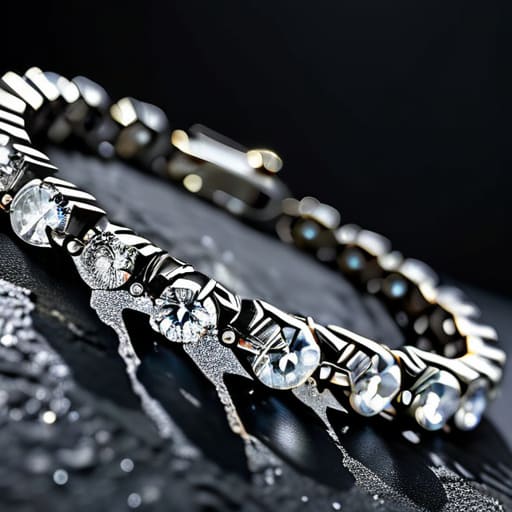
Most tennis bracelets you’ll find on the market are set with natural diamonds, which are just pure carbon arranged in a crystal lattice. When they’re good, they have that bright, icy flash—the kind of white you see when a wave breaks on a granite rock. But if you’ve bought something cheaper, you might actually be wearing cubic zirconia or moissanite. Moissanite is a silicon carbide, and it has a “fire” that’s almost too much; it flashes colors like an oil slick on a wet road. I can tell the difference under a loupe in seconds, but if the stone is already gone, you’re left wondering what you actually lost.
The loss usually comes down to prong setting wear and tear. Those tiny metal claws holding the stone in place aren’t invincible; they get bumped against desks, caught on sweaters, and slowly thinned out by years of friction. If you notice a stone looking a bit loose or sitting crooked, don’t wait. A quick diamond bracelet security check can save you from a much more expensive headache later. Once a stone is gone, you’re looking at the cost of replacing it, but knowing if it was a diamond or a synthetic makes a massive difference in how you approach the repair.
Identifying the Imposters Telling the Real Stone From the Cheap Substitute
When you find a small, clear stone on your floor, don’t assume it’s a diamond just because it came from a piece of jewelry you paid a premium for. Most of the time, you’re looking at cubic zirconia or perhaps even glass. If you have a loupe, look at the facets. A real diamond has a certain way of breaking light—a sharp, crisp brilliance. If the stone looks a bit “sleepy” or shows rounded edges under magnification, it’s likely a cheaper substitute. I always think of the color; a real diamond is colorless, like a piece of ice pulled straight from a fjord, while many CZs have a slight yellowish tint, like sunlight hitting shallow, murky water.
If you’re worried about what’s actually left in your piece, perform a quick diamond bracelet security check by gently tapping the stones with a metal tool. Real diamonds are incredibly hard and won’t scratch easily, whereas many imposters will show surface marks. If you notice the metal around the stones looks thin or uneven, you’re likely seeing the results of prong setting wear and tear. Identifying the stone is the first step; the next is deciding if it’s worth the cost of replacing it.
The Silent Culprit Understanding Prong Setting Wear and Tear
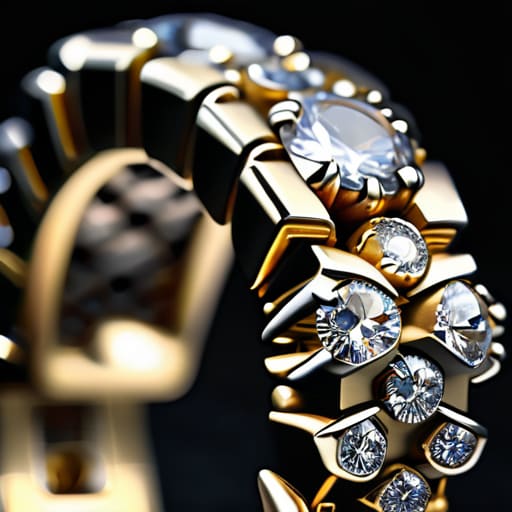
Most people assume a stone falls out because it was poorly cut or “unlucky,” but usually, it’s just physics. I spent years looking at stones under a loupe, and I can tell you that even the finest diamond is at the mercy of its metal. A tennis bracelet is designed to move; it wraps around your wrist and flexes with every gesture. This constant motion causes prong setting wear and tear that you can’t see with the naked eye. Over time, those tiny claws of gold or platinum thin out, becoming brittle or slightly bent, until the stone simply finds its way out of the seat.
It isn’t enough to just look at the sparkle; you have to look at the structural integrity. I always suggest a regular diamond bracelet security check—once or twice a year, take it to a professional who can check the tension of each setting. If you notice a stone sitting slightly higher than the others, or if the metal looks smoothed down like a pebble in a stream, that’s your warning. Catching a loose prong early is much cheaper than the heartbreak of replacing missing diamonds in bracelets later on.
How to Prevent Gemstone Loss Before Your Luck Runs Out
You don’t need to be a geologist to know that even the hardest diamond can vanish if the metal holding it fails. Most of the time, it isn’t a sudden catastrophe; it’s a slow, invisible erosion. To avoid that sinking feeling in your stomach, you should make a diamond bracelet security check part of your routine. Every few months, take the piece under a good light and look at the prongs. If they look thin, or if they seem to be leaning away from the stone like a tired person slouching in a chair, it’s time to see a professional.
I’m a big believer in small, consistent actions rather than waiting for a crisis. Simple jewelry maintenance tips like avoiding wearing your bracelet while doing heavy housework or sleeping can go a long way. Chemicals and physical knocks can accelerate prong setting wear and tear faster than you’d think. If you notice a stone feels even slightly loose when you tap it with a fingernail, don’t wait for it to hit the floor. Get it tightened immediately. It is much cheaper to secure a stone than it is to deal with the headache of replacing missing diamonds in bracelets later on.
The Diamond Bracelet Security Check You Should Perform Today
You don’t need a microscope or a lab coat to do a basic diamond bracelet security check at home. Grab a bright desk lamp—the kind that makes everything look a bit clinical—and a magnifying loupe if you have one. Lay the bracelet on a plain white surface. I like to look for “gaps” in the light. As you rotate the piece, watch how the stones catch the glare. If you see a sudden, dark void where a flash of light should be, you’ve likely found a missing stone or a seat that has become dangerously loose.
While you’re looking, pay close attention to the metal holding the stones in place. I call this checking the “grip.” Run your eye along the edges of the prongs to look for any signs of prong setting wear and tear, such as thinning metal or tiny nicks. If a prong looks like it’s leaning away from the stone, it’s only a matter of time before that diamond decides to go for a swim. It’s better to catch a loose stone now than to be searching for it on a sidewalk later.
Practical Jewelry Maintenance Tips to Keep Your Stones Seated
You don’t need to be a professional to keep an eye on your jewelry; you just need to be a bit more observant than most. I always suggest making a habit of checking your bracelet under a bright light once a month. Look closely at the metal holding the stones. If a prong looks thin, bent, or slightly crooked, that is your warning sign. This is the most basic of jewelry maintenance tips, but it’s the one that actually saves you from a frantic phone call to a jeweler later.
When you’re looking, pay attention to the “seat” of the stone. If a diamond looks like it’s sitting slightly higher than its neighbors, or if there is a tiny gap where the metal meets the facet, the setting is likely compromised. This is how you address prong setting wear and tear before it results in a stone hitting the pavement. If you notice something is off, don’t wait for it to fall out. Take it to a professional immediately. It is much cheaper to have a jeweler tighten a claw than it is to deal with the headache of replacing missing diamonds in bracelets after they’ve vanished into a sidewalk crack.
Replacing Missing Diamonds in Bracelets and Seeking a Jewelry Appraisal
When you realize a stone is actually gone, the first instinct is often panic, but try to stay unhurried. If you’re looking into replacing missing diamonds in bracelets, you have to accept that a perfect match is harder than it looks. Even if you have the exact same carat weight, a new diamond might look like a different species of light compared to its neighbors. One might have a face-up color that looks like seawater on a cloudy day in Bergen, while the replacement looks like clear tap water. To avoid a mismatched look, I always suggest bringing in your original paperwork or a professional report so the jeweler can match the color, clarity, and even the fluorescence.
This is also the best time to request a formal jewelry appraisal for lost stones and the remaining piece. Don’t just ask them to “fix it”; ask them to look at the entire setting. A good jeweler will check for the same prong setting wear and tear that caused the loss in the first place. It’s worth the extra fee to ensure you aren’t just plugging a hole in a sinking ship.
The reality of the empty setting
A tennis bracelet isn’t just a piece of jewelry; it’s a mechanical assembly of tiny metal claws holding onto precious minerals. When a stone vanishes, it’s rarely a mystery of fate—it’s usually just a bit of friction or a worn-down prong doing its job too well. I can tell you exactly why that diamond slipped out, but whether you see it as a tragedy or just a bit of physics is up to you.
Dagny Solheim
A final look at the stones
At the end of the day, a tennis bracelet is a mechanical object as much as it is a piece of jewelry. Whether you are dealing with a high-end piece of diamond-set gold or a more affordable bracelet with cubic zirconia, the physics remain the same: prongs wear down, metal fatigues, and stones eventually find their way to the floor. By checking your settings regularly, understanding the difference between a real mineral and a glass substitute, and keeping an eye on those tiny metal claws, you can stop a small loss from becoming a permanent disappearance. It isn’t about being paranoid; it is simply about knowing how your jewelry works so you aren’t caught off guard when a stone goes missing.
I know that for some, a lost stone is a technical annoyance, and for others, it feels like losing a piece of a memory. I don’t care which one you are. If you find a stone on the rug and it turns out to be a cheap synthetic, you haven’t lost much. But if it’s a genuine gem with a history, it deserves a bit of your time to get it back into its setting. Whether you wear your jewelry for the status, the sparkle, or just because you like the way it feels against your skin, treat the stones with respect. They have spent millions of years forming in the dark just to end up on your wrist; the least we can do is make sure they stay there.
