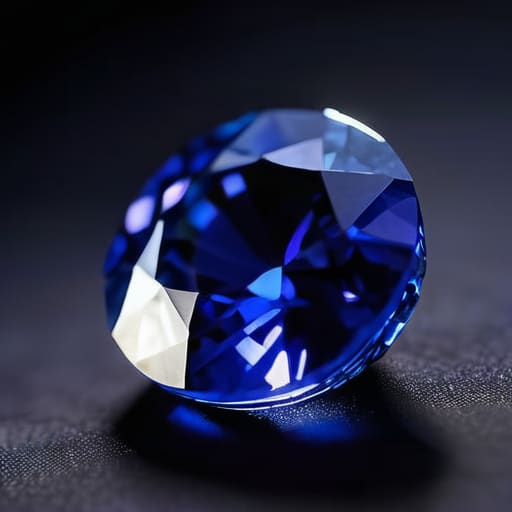
I spent six years hunched over a microscope in a grading lab, and if there is one thing that makes my skin crawl, it’s the way the gemstone market uses “mysticism” to inflate a price tag. You’ve seen the listings: glowing descriptions of cosmic energy or ancient secrets, all designed to distract you from the actual mineralogy. People get caught up in the legend of the kashmir sapphire and why the name carries a premium, often paying for a story rather than the stone itself. I’ve sat there, loupe in hand, watching collectors fall for “velvet” descriptions that were nothing more than clever lighting or, worse, glass-filled synthetics.
I’m not here to sell you on a fairytale or tell you that a stone can change your aura. My goal is much simpler: I want to show you the geological reality of these stones. I’ll explain exactly what creates that specific, cornflower blue hue—the kind that looks like the ocean just after a storm hits the coast—and how to distinguish a true mountain-born gem from a lab-grown imitation. Once you understand the chemistry and the history, what you decide to do with it is entirely up to you.
What the Stone Is Unmasking the Kashmir Sapphire and Why the Name Carries a
Chemically, we’re looking at corundum—aluminum oxide—but the specific geological recipe in the Kashmir Valley is what changes the game. Unlike the more common Ceylon sapphires, which often lean toward a clearer, more transparent tone, Kashmir stones possess a specific type of velvety scattering. When I look through a loupe, I’m looking for those tiny, microscopic silk-like inclusions. These aren’t flaws that ruin the stone; they are the engine of its beauty. They catch the light in a way that makes the color look less like a solid object and more like a deep, saturated pool of water.
The color itself is what everyone hunts for. It’s a blue that reminds me of the North Sea just after a storm—dark, intense, and incredibly deep. This specific cornflower blue sapphire characteristic is hard to replicate because it relies on a very particular set of gemstone inclusions and luster that only occurred in those specific Himalayan strata. Because the mines are largely exhausted, the supply has essentially frozen in time. You aren’t just buying a mineral; you’re buying a finite piece of a mountain range that doesn’t give up its secrets easily anymore.
Tracing the History of Himalayan Gemstone Mining and Its Lost Glory
The history of Himalayan gemstone mining isn’t a tidy tale of organized industry; it’s more like a series of frantic, high-altitude scrambles. For a long time, these stones were pulled from the steep, unforgiving slopes of the Zanskar range, often by miners working in conditions that would make most people turn back immediately. Unlike the more established, large-scale mines you might find elsewhere, the Himalayan deposits were scattered and difficult to reach. This unpredictability is a huge part of the history of Himalayan gemstone mining—the supply was never steady, which meant that when a cache of stones finally hit the market, they were nothing short of legendary.
As the mines began to dry up or become too difficult to access, the world saw a shift in what was available. When you look at a Kashmir vs Ceylon sapphire comparison, you aren’t just looking at different colors; you are looking at two different geological eras. The Ceylon stones offer a bright, sunny clarity, but they lack that specific, velvety depth that comes from the unique gemstone inclusions and luster found in the Himalayan material. Those tiny, silk-like inclusions are what give a Kashmir stone its “glow,” making it look like a piece of the sky caught in a heavy mist.
Cornflower Blue Sapphire Characteristics the Light You Cannot Ignore
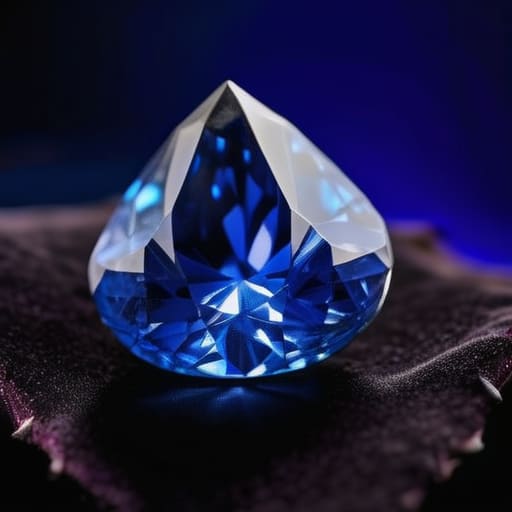
When people talk about the “ideal” blue, they are almost always chasing that specific cornflower hue. To me, it looks like the sea right after a heavy rain has washed the silt away—a deep, velvety blue that feels saturated but never heavy. This isn’t just a marketing trick; the cornflower blue sapphire characteristics are rooted in how the stone handles light. While a Ceylon sapphire often has a bright, transparent zing to it, a Kashmir stone has a unique, diffuse glow. It’s as if the color is suspended inside the crystal rather than just sitting on the surface.
If you put a Kashmir stone next to a standard blue sapphire, the difference in luster is immediate. You’ll notice a soft, silkiness caused by microscopic gemstone inclusions and luster patterns that scatter light in a very particular way. In a lab, I look for that specific “velvet” texture. It isn’t about being perfectly flawless—in fact, a stone that is too clean often lacks that soulful, glowing depth. It’s that interplay of light and internal structure that makes them so difficult to replicate.
Gemstone Inclusions and Luster Separating the Truth From the Marketing
When you put a Kashmir sapphire under a loupe, you aren’t looking for perfection; you’re looking for the story written inside the crystal. Most people think inclusions are flaws, but in a Kashmir stone, they are the fingerprint. These sapphires often feature tiny, silk-like inclusions of rutile that act like microscopic prisms. This is what gives them that specific, velvety glow—a look I’d describe as a deep ocean blue just after a storm. In a Kashmir vs Ceylon sapphire comparison, the Ceylon stones tend to be cleaner and more transparent, whereas the Kashmir stones use those internal structures to scatter light in a way that looks almost soft, rather than sharp.
This interplay between gemstone inclusions and luster is exactly how you separate a genuine piece from a lab-grown imitation. A synthetic stone will often look “too perfect,” possessing a glassy, sterile shine that lacks soul. Real Kashmir stones have a certain diffused brilliance that is hard to fake. While the investment value of rare sapphires often hinges on clarity, with these, the “imperfections” are actually what verify the stone’s identity and its geological pedigree.
A Kashmir vs Ceylon Sapphire Comparison Knowing the Real Difference
When you put a Kashmir stone next to a Ceylon stone, the difference isn’t just in the price tag; it’s in how they handle light. A Ceylon sapphire—usually from Sri Lanka—tends to be clean, bright, and transparent. The color is often a lovely, clear blue, but it lacks that specific “glow.” Kashmir stones, however, have a distinct, velvety texture. It’s a color that looks like the deep, saturated blue of the ocean just before a storm hits the coast. This happens because of the specific gemstone inclusions and luster found in the Himalayan deposits; tiny, microscopic silk inclusions scatter the light, creating a soft, internal bloom rather than a sharp, glassy reflection.
In a Kashmir vs Ceylon sapphire comparison, you are essentially choosing between clarity and character. While Ceylon stones are often preferred for faceted jewelry where brilliance is king, the Kashmir variety is prized for that heavy, almost opaque depth. Because the mines in the Himalayas are largely exhausted, the scarcity drives the investment value of rare sapphires from this region. If you see a stone that looks too “perfectly” clear and bright to be a Kashmir, it’s likely a Ceylon or, worse, a lab-grown imitation.
The Padma Sapphire Rarity Why Some Stones Remain Whispers of Legend
When people talk about the Padma sapphire, they aren’t just talking about another high-end stone; they are talking about a ghost. In the lab, we see plenty of high-quality corundum, but a Padma is a different beast entirely. These stones come from the same geological veins that fueled the history of Himalayan gemstone mining, but they are so few and far between that they feel more like a myth than a mineral. To my eyes, the color isn’t just blue; it’s the deep, velvety hue of the ocean just before a storm hits, heavy and saturated in a way that most stones can’t mimic.
The Padma sapphire rarity isn’t just a marketing hook used to drive up prices; it is a physical reality of how these crystals formed under immense pressure. Because they are so scarce, their investment value of rare sapphires is tied to a supply that has effectively dried up. You won’t find these in a standard velvet tray. When a stone with this level of saturation and clarity actually surfaces, it changes the conversation from mere gemology to something much more profound.
The Investment Value of Rare Sapphires What You Do Next Is Yours
When people ask me about the investment value of rare sapphires, I usually tell them to look at the stone first and the spreadsheet second. If you are buying a Kashmir sapphire because you think it’s a guaranteed way to outpace a savings account, you’re playing a different game than I am. From a geological standpoint, the scarcity is real; the history of Himalayan gemstone mining tells us that these specific pockets are largely exhausted. You aren’t just buying corundum; you are buying a finite geological event.
However, liquidity is a fickle thing. A stone with exceptional cornflower blue sapphire characteristics will always find a buyer, but a stone with heavy, messy inclusions might sit in a safe for decades. If you’re looking at a Kashmir vs Ceylon sapphire comparison for the sake of your portfolio, remember that “rarity” only translates to money if the quality is undeniable. I don’t care if you want to wear it on your finger or lock it in a vault—just make sure you know exactly what you’re holding before you hand over the money.
## The reality of the blue
People talk about Kashmir sapphires like they’re magic, but to me, it’s just a specific kind of geology meeting a very narrow window of time. It’s that deep, velvety blue—the colour of the North Sea just before a storm hits—trapped inside a crystal that’s been squeezed by the Himalayas. You aren’t just paying for a name; you’re paying for a specific chemical signature and a set of inclusions that you simply can’t manufacture in a lab.
Dagny Solheim
The Final Word on Kashmir
At the end of the day, a Kashmir sapphire isn’t just a piece of corundum; it is a specific geological accident that happened in the high Himalayas. We have looked at how that unique combination of silk-like inclusions and that particular shade of blue—the color of the ocean just before a storm hits—creates a light that you simply won’t find in a Ceylon stone or a lab-grown imitation. I’ve tried to show you how to look past the marketing fluff and focus on the actual mineralogy, from the way the inclusions scatter light to the historical weight the name carries. Whether you are looking at the rarity of the Padma or comparing it to more accessible stones, remember that the truth is usually found under the loupe, not in the sales pitch.
If you find yourself holding a genuine Kashmir, you are holding a fragment of a lost mining era that most gemmologists only see in textbooks. It is a heavy thing to carry, both in terms of its market value and its history. But whether you want to lock it in a safe as a high-stakes investment or wear it in a ring and let it catch the light while you’re out for a walk, that is your choice to make. I am just here to tell you what the stone is made of. Once you know the difference between the legend and the chemistry, the rest of the story belongs to you.
