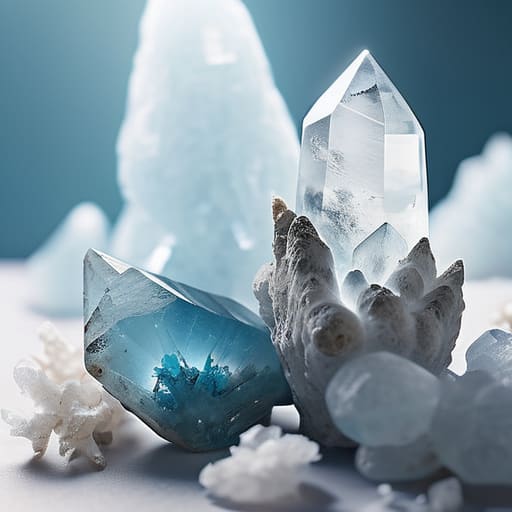
I spent six years hunched over a microscope in a grading lab, staring at inclusions until my eyes burned, and if there is one thing I’ve learned, it’s that a stone doesn’t care about your horoscope. I see so many shops online trying to sell “spiritual alignment” packages, pairing expensive, lab-grown glass with vague promises about air signs and the stones people choose for them. It’s frustrating to watch people pay a premium for a piece of dyed quartz just because a website told them a Gemini needs it to “breathe.” To me, a stone is a beautiful piece of geological history—a specific arrangement of atoms—not a magical battery that responds to your birth chart.
I’m not here to argue whether the stars actually influence your personality, but I am here to make sure you don’t get cheated. I’ll walk you through the actual minerals often linked to these signs, tell you exactly what they are made of, and show you how to spot the frauds passing themselves off as the real thing. What you choose to do with them—whether you’re using them for meditation or just like the way they look on your desk—is entirely your business.
Air Signs and the Stones People Choose for Them Truth vs Hype
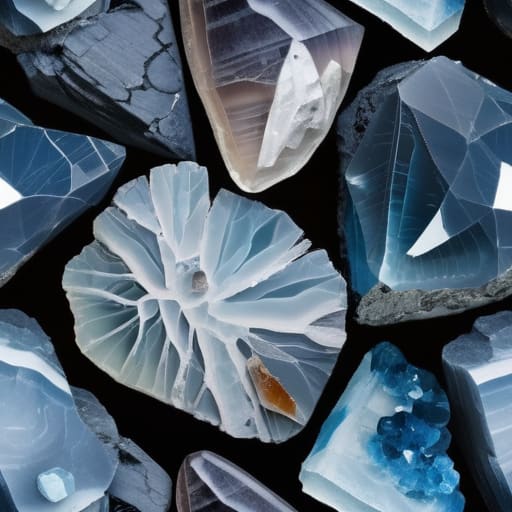
When you browse shops online, you’ll see a lot of talk about the spiritual benefits of air sign minerals, usually accompanied by high-gloss photos of stones that look too perfect to be true. They’ll claim a piece of blue calcite is “vibrating” specifically for a Libra’s social needs, but as a gemmologist, I look for the cleavage planes and the calcium carbonate structure. Most of the time, the hype is just marketing. People want to believe a stone has a specific job to do, and while I don’t mind if you use a crystal to help you feel more grounded, I want you to know if you’re holding a piece of genuine quartz or just a bit of dyed glass.
The truth is, finding the right gemstones for Gemini, Libra, or Aquarius often comes down to a mix of aesthetic intuition and mineralogical reality. You might be told that certain stones are essential for balancing air energy with crystals, but I prefer to look at the physics. An aquamarine is a beryl, a beautiful silicate that looks like the North Sea on a clear morning; it doesn’t “fix” your personality, but its clarity is undeniable. Whether you use it for astrological stone alignment or just because you like the way it catches the light, know what you are actually holding.
Gemstones for Gemini Libra and Aquarius Spotting the Real Deal
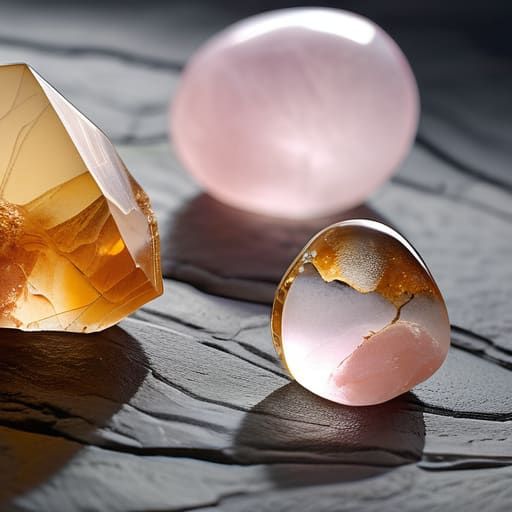
When you look at the stones often marketed for Gemini, Libra, or Aquarius, you’re usually looking at things that need to be bright and communicative. For a Gemini, you’ll see a lot of Citrine. Real Citrine is a variety of quartz; it should look like sunlight hitting a shallow tide pool, clear and warm. If it looks like a piece of hard, neon-orange candy, it’s likely heat-treated Amethyst, which is a common trick in the trade. For Libra, the go-to is often Rose Quartz. A decent specimen should have a milky, translucent quality, like a smooth pebble pulled from a cold stream. If it’s too pink or looks like glass, it’s probably synthetic.
Aquarians are often steered toward Lapidary-cut stones like Lapis Lazuli or Celestite. With Lapis, you want to see those little flecks of golden pyrite—it should look like a dark, wet night sky. If it’s a uniform, bright blue, it’s probably dyed sodalite. When people talk about balancing air energy with crystals, they are usually looking for these specific mineral compositions to ground their mental chatter. I don’t care much for the claims about zodiac crystal meanings, but I do care that you know whether you’re holding a piece of earth or a piece of factory-made plastic.
Unmasking the Healing Properties of Air Element Stones
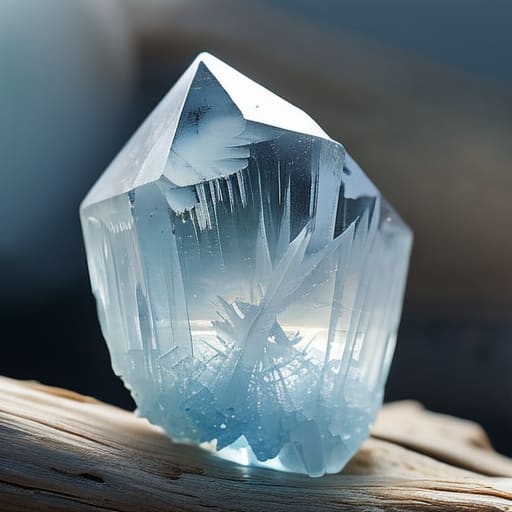
When people talk about the healing properties of air element stones, they tend to use words like “clarity” or “communication” as if these minerals are broadcasting radio signals directly into your brain. From my time in the lab, I know that a piece of Celestine doesn’t actually shift your mental state through some invisible frequency. What it does is provide a tactile, visual anchor. When you hold a pale, sky-blue specimen that looks like a frozen piece of the North Sea, the sheer lightness of the color can help you settle your thoughts. It’s a psychological shift, not a geological miracle.
The real value in studying zodiac crystal meanings isn’t in finding a magical cure for a scattered mind, but in the intention you set. If you pick up a piece of Citrine because you’re a Gemini looking for focus, the stone isn’t doing the heavy lifting—you are. You are using the stone as a tool to ground your attention. I don’t care if you believe in the spiritual benefits of air sign minerals or if you just like the way the light hits a polished facet; either way, the stone remains a beautiful, physical constant in a very chaotic world.
Decoding Zodiac Crystal Meanings Without the Sales Pitch
When you look up the zodiac crystal meanings online, you’ll often find a lot of flowery language that makes it sound like a piece of Citrine is a literal battery for your intellect. Most of these sites use the spiritual benefits of air sign minerals to sell you a specific aesthetic. They’ll tell you that a stone will “clear your mental fog” or “anchor your wandering thoughts,” which sounds lovely, but it’s not exactly something you can measure with a refractometer. I don’t care if you believe the stone is a conduit for cosmic energy; my job is just to make sure the thing you’re holding is actually the mineral you paid for.
The truth is that astrological stone alignment is a personal framework, not a geological law. If a shop tells you that balancing air energy with crystals is a scientific necessity, they are lying to you. They are selling a feeling. I prefer to look at the chemistry. If you want a stone to help you feel more grounded, you might look for something dense and opaque, but don’t let a salesperson convince you that the molecular structure of a crystal is what’s doing the heavy lifting for your personality.
The Spiritual Benefits of Air Sign Minerals You Can Trust
When people talk about the spiritual benefits of air sign minerals, they often drift into vague, airy language that tells you nothing. I prefer to look at it this way: if you feel like your mind is a kite caught in a gale, you aren’t looking for magic; you’re looking for an anchor. For an Aquarius or a Gemini, the goal is usually finding a way to ground that restless, intellectual energy. I’ve seen people use stones like Lapis Lazuli not because it has a “frequency,” but because its deep, midnight-blue hue—the color of the North Sea just before a storm hits—provides a visual sense of stability when their thoughts are spinning too fast.
You don’t need to believe in cosmic vibrations to find value in balancing air energy with crystals. If holding a piece of Citrine helps you focus during a frantic workday, that is a functional reality for you. Whether you are seeking the healing properties of air element stones to quiet a busy brain or simply like the way a piece of Celestite looks on your desk, the utility is yours to define. I’m just here to make sure that when you reach for that stone, you’re holding a genuine mineral and not a piece of dyed glass.
Mastering Astrological Stone Alignment for Your Own Purpose
Once you understand the chemistry of a stone, the way you use it becomes a personal choice rather than a set of rules. I’ve spent years looking at inclusions under a microscope, and while I can tell you if a piece of Celestite is genuine or just dyed gypsum, I can’t tell you how it will make you feel during a meditation session. If you are looking into astrological stone alignment, don’t feel pressured to follow a guidebook blindly. If a piece of Blue Lace Agate—which has that soft, pale blue you see in a shallow tide pool—doesn’t resonate with you, put it back. You don’t need a certificate of authenticity to justify a connection that feels right.
The real trick to balancing air energy with crystals is moving past the marketing fluff. Instead of hunting for a specific “vibe,” look at the physical properties. Do you need something heavy and grounding to counter a flighty mood, or something light and refractive to spark an idea? Whether you are exploring the spiritual benefits of air sign minerals or just like the way a certain quartz catches the light, the stone’s value lies in its reality, not its reputation.
Balancing Air Energy With Crystals What the Stone Actually Is
When people talk about balancing air energy with crystals, they often treat the stone like a battery that suddenly powers up a room. From my perspective, it’s more about the tactile reality of the mineral itself. If you are looking for gemstones for Gemini, Libra, or Aquarius, you aren’t looking for a magical switch; you are looking for a physical anchor. Air signs tend to live in their heads—a whirlwind of ideas and constant mental movement. A stone like Blue Lace Agate, which has a color like a shallow tide pool on a cloudy day, provides a sensory point of focus. It doesn’t “fix” your thoughts, but its physical presence helps pull your attention out of the ether and back into your hands.
The real value in astrological stone alignment isn’t in some invisible frequency, but in the intentionality of the object. When you hold a piece of Selenite, you are holding a fibrous variety of gypsum. It’s soft, it’s structural, and it has a specific weight. Whether you believe in the spiritual benefits of air sign minerals or you just like the way a clear quartz feels against your palm when you’re stressed, the result is the same: grounding through physical sensation.
## The Mineral Truth
People love to say a stone will help an Air sign find focus, but a piece of Blue Lace Agate doesn’t care about your horoscope; it’s just a beautiful formation of chalcedony. I can tell you if the color is as soft as a wet sea pebble or if it’s just dyed glass, but whether that stone helps you clear your head is something only you can decide.
Dagny Solheim
Final Thoughts on Air and Stone
We have spent a lot of time looking at the intersection of elemental theory and mineralogy. Whether you are looking for a piece of Blue Lace Agate to match a Libra’s temperament or a clear Quartz to help a Gemini focus, the most important thing is that you know what you are holding. You know that the stone is a specific arrangement of atoms—silicon, oxygen, aluminum, or calcium—and that its beauty comes from its physical structure, not just a label on a velvet pouch. By learning to distinguish a genuine specimen from a dyed piece of glass or a synthetic imitation, you ensure that your connection to these minerals is based on something real rather than a marketing gimmick.
At the end of the day, the science of geology and the tradition of astrology don’t have to be at war. I don’t care if you use a Citrine to balance your energy or if you simply keep it on your desk because you like the way it looks like sunlight hitting a wet pebble. The stone doesn’t care what you call it, and neither do I. All I ask is that you respect the material for what it actually is. Once you understand the composition and the history of a stone, you are free to make it your own in whatever way serves you best.
