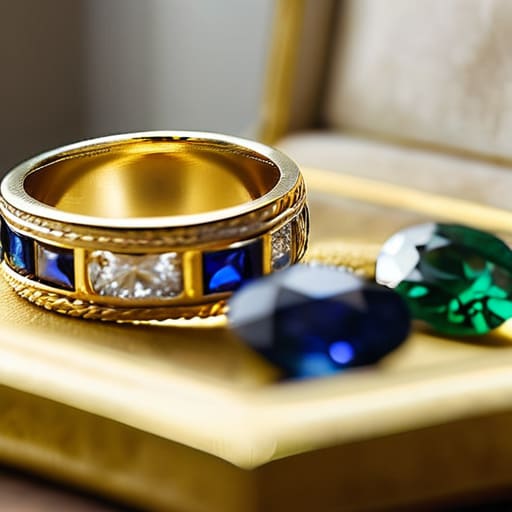
I spent six years in a grading lab, hunched over a microscope until my neck ached, looking at inclusions that most people would never even notice. I’ve seen beautiful, high-quality sapphires—the kind with a blue like a deep North Sea swell—get absolutely ruined because someone thought they could just pile on every piece of jewelry they owned. There is this ridiculous, expensive myth that you need specialized velvet organizers or high-end designer settings to protect your collection, but that’s mostly just marketing fluff. The reality is much simpler: you can enjoy the aesthetic of stacking rings without scratching the stones, provided you actually understand the Mohs scale and what you’re holding in your hand.
I’m not here to sell you a luxury storage system or tell you that you shouldn’t wear your favorites. My goal is to give you the straight geology on which minerals can play together and which ones will leave permanent scars on their neighbors. I’ll explain the hardness of your specific stones and how to arrange them so they don’t grind against each other. Once you know the composition of your rings, how you choose to wear them is entirely your business.
Understanding Stacking Rings Without Scratching the Stones
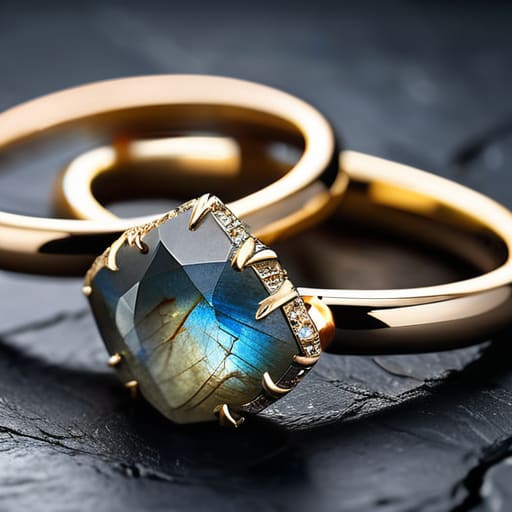
To understand why your rings are fighting each other, you have to look at the gemstone hardness scale (Mohs). In the lab, we don’t care about the “vibe” of a stone; we care about whether one material can physically mar another. If you’re wearing a diamond alongside a piece of labradorite, the diamond is going to win every single time. It’s not malice; it’s just physics. A diamond will slice through softer minerals like a hot knife through butter, leaving permanent scratches that no amount of polishing can easily fix.
The real danger usually comes from metal vs gemstone contact. Even if you aren’t stacking two stones, the hard edge of a platinum band can grind against the facet of a softer emerald or opal. I like to think of it like walking on the Norwegian coast; if you drag a granite rock across a piece of shale, the shale is going to lose. When you’re deciding on a jewelry stacking order, always put your hardest, most resilient stones on the outside or on separate fingers to minimize the friction that leads to dull, scratched surfaces.
Key Things to Know
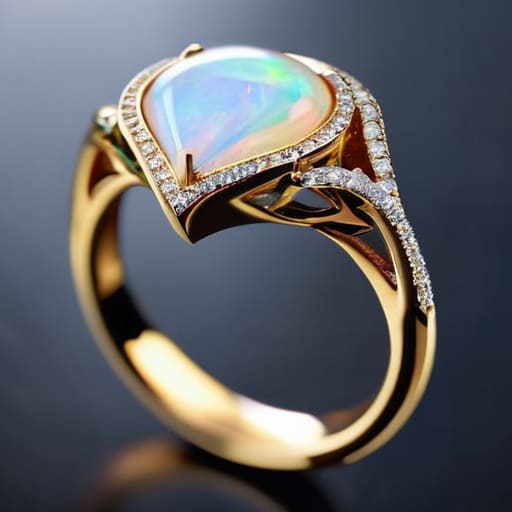
First, you need to look at the chemistry. Every stone has a limit to how much abuse it can take before the surface starts to look like a frosted window. I always refer back to the gemstone hardness scale (Mohs); it’s the only way to be sure. If you are wearing a diamond next to a piece of opal, you’re asking for trouble. A diamond is a bully. In a diamond vs sapphire scratching scenario, the sapphire might hold its own for a while, but eventually, the diamond will win.
Then there is the matter of the metal. People forget that even the gold or platinum setting can act like a tiny, blunt chisel. When you have constant metal vs gemstone contact, the edges of the prongs can slowly grind away at the facet of a softer stone. It’s not just about the stones hitting each other; it’s about the environment you’re creating on your finger. If you want to avoid a graveyard of dull, scratched gems, you have to be mindful of what is sitting next to what.
Practical Tips and Steps
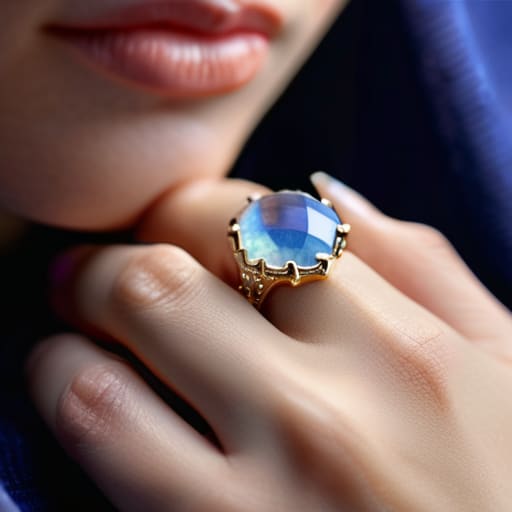
Start with the math, even if you aren’t a math person. The easiest way to avoid a disaster is to look at the gemstone hardness scale mohs and plan your layout accordingly. If you’re wearing a sapphire—which has a deep, ink-blue look when it’s wet—you can generally pair it with other tough stones. But if you try to sandwich a soft opal or a delicate pearl between two high-grade stones, you’re asking for trouble. I always suggest a specific jewelry stacking order: place your hardest, most resilient stones on the outside of the stack to act as a buffer, leaving the more sensitive minerals toward the center of your finger.
You also need to consider the physics of metal vs gemstone contact. Even if two stones are relatively hard, the prongs of one ring can act like a tiny chisel against the facet of another. I’ve seen plenty of beautiful emeralds—the color of moss after a heavy rain—get nicked simply because they were crowded by a heavy platinum band. To keep things safe, try to leave a little breathing room between pieces. If you can’t, make sure the settings are smooth and the metal isn’t overly aggressive.
Common Mistakes to Avoid
The biggest blunder I see is ignoring the gemstone hardness scale Mohs when planning an outfit. People often grab a handful of rings and slide them all on at once, forgetting that a diamond is essentially a tiny, focused saw. If you pair a diamond with a softer stone like an opal or a turquoise, that diamond is going to leave permanent, microscopic scars on the softer surface. It’s not just about aesthetics; it’s about preventing jewelry abrasion before the damage becomes irreversible.
Another mistake is a total disregard for metal vs gemstone contact. I’ve seen people stack heavy, textured bands—the kind with those rugged, hammered finishes—directly against a smooth, cabochon-cut stone. When those metal edges rub against the stone during daily tasks, they act like sandpaper. You might think you’re just being stylish, but you’re actually grinding away the polish. If you don’t pay attention to your jewelry stacking order, you’ll end up with a collection of stones that look dull and weathered, like they’ve been pulled from a muddy tide pool.
Final Thoughts
At the end of the day, my goal isn’t to turn your jewelry box into a sterile laboratory. I know that sometimes you just want to wear everything you own at once, and there is a certain joy in that kind of excess. But if you want those stones to look as vibrant as they did the day you bought them, you have to respect the physics of metal vs gemstone contact. A little bit of mindfulness goes a long way in keeping the facets crisp and the surfaces smooth.
If you do find a scratch, don’t panic. It’s rarely a catastrophe, just a bit of history etched into the mineral. Just remember that the gemstone hardness scale (Mohs) is your best friend when deciding on your jewelry stacking order. If you put a hard sapphire next to a softer quartz, the sapphire is going to win that fight every single time. Treat your stones with a bit of practical caution, and they’ll keep catching the light for years to come. What you choose to wear is your business; I’m just here to make sure you know what you’re holding.
A Note on Hardness
At the end of the day, a stone doesn’t care about your aesthetic; it only cares about the Mohs scale. If you’re stacking a soft, sea-glass green jade against a hard diamond, the diamond is going to win that fight every single time, leaving your jade looking like it’s been dragged across a gravel beach.
Dagny Solheim
Wrapping It All Up
At the end of the day, protecting your jewelry comes down to a bit of basic geology. If you remember to check your Mohs scale before you start layering, you’ve already won half the battle. Keep the harder stones, like sapphires or diamonds, on the outside of the stack to act as a shield, and try to avoid letting softer, more delicate minerals rub against each other during your daily routine. It isn’t about being precious or obsessive; it’s just about understanding that hardness matters. If you manage your friction and keep an eye on how your stones interact, you won’t wake up to find a beautiful piece of labradorite looking like it was dragged across a gravel beach.
I know people have different reasons for wearing these things. Some of you want a curated collection of geological marvels, and some of you want a talisman that feels right against your skin. Neither approach is wrong. My job is to make sure you know exactly what you are holding in your hand—whether it is a high-quality spinel or a piece of glass—so that you can make an informed choice. Once you understand the composition and the durability of your pieces, you can wear them with confidence. Go ahead and stack them, wear them until they’re dull, or keep them tucked away; just know that the science behind the stone is always there, regardless of how you choose to live with it.
