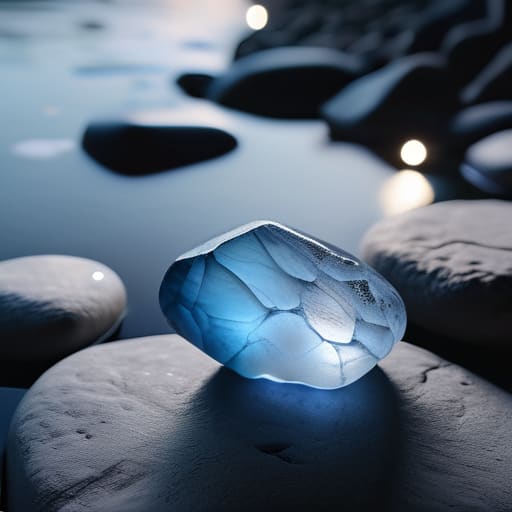
I spent six years in a grading lab, staring through a loupe until my eyes burned, and if there is one thing I’ve learned, it’s that the market loves to sell expensive nonsense to anyone looking for a spiritual connection. You’ll see shops claiming certain stones are “essential” for your zodiac sign, often charging a massive premium for what is essentially glass or low-grade quartz. I’ve seen people spend hundreds of kroner on “healing” stones for water signs and the stones people choose for them, only to realize they’ve bought a piece of chemically dyed slag. It’s frustrating because the connection people feel to these minerals is often very real, even if the marketing behind it is pure fiction.
I’m not here to tell you that a stone will change your destiny or fix your emotional tides. My goal is much more practical: I want to tell you what these stones are actually made of, how they formed in the earth, and how to spot a fake before you open your wallet. I’ll look at the chemistry and the clarity, giving you the honest, mineralogical truth about these popular choices. What you decide to do with them—whether you keep them in a velvet box or use them for meditation—is entirely up to you.
The Truth Behind Water Signs and the Stones People Choose for Them
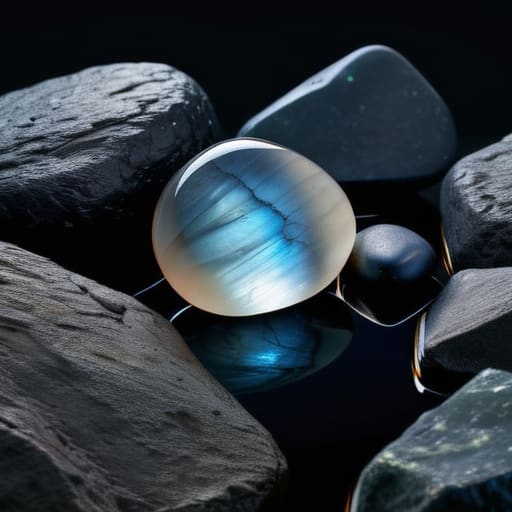
When people talk about the connection between the zodiac and mineralogy, they usually drift into vague territory. They’ll tell you a stone “resonates” with your spirit, which is a lovely sentiment, but it doesn’t tell you anything about the specimen in your hand. From my perspective, the interest lies in the chemistry. If you are looking for emotional healing crystals for Cancer, you aren’t actually looking for a magical fix; you are looking for something like Moonstone. Chemically, it’s a feldspar with a specific light-scattering effect called adularescence. When it’s polished, it looks like moonlight hitting a calm fjord at midnight. It has a physical structure that feels substantial, even if the “healing” part is something you’re bringing to the stone, not the other way around.
The same goes for the more intense associations, like searching for Scorpio gemstone spiritual properties. People often reach for Garnet. In a lab, I see a lot of synthetics, but a real, deep red pyrope garnet has a weight and a specific refractive index that tells its story. It’s a silicate, hard and durable. Whether you use that hardness to ground your temperament or just to enjoy the way the light catches the facets, that’s your call. I just want you to know you’re holding the real thing.
Deciphering Aquatic Element Crystal Meanings Without the Sales Pitch
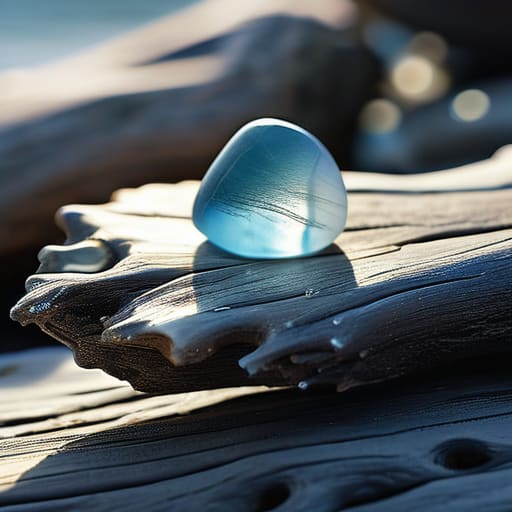
When you browse online shops, you’ll see a lot of talk about “aquatic element crystal meanings” that sounds more like a marketing brochure than actual geology. They’ll tell you a stone will “wash away your sorrows” as if it were a literal tide. I don’t buy that. A stone doesn’t have a personality, but it does have a way of catching the light or a specific weight that can ground you when you’re feeling adrift. If you are looking for emotional healing crystals for Cancer, you aren’t looking for magic; you’re looking for something tactile to hold onto when your moods feel like a heavy swell.
The same goes for the more intense claims around Scorpio gemstone spiritual properties. People often try to sell highly treated, glass-filled stones by promising they’ll help you “transform.” In my experience, a stone’s value isn’t in its supposed power to change your life, but in its physical presence. Whether you’re using a piece of labradorite to help with your focus or just because you like its dark, oil-slick sheen, the stone is just a mineral. It is a physical anchor in a very loud world.
Finding Real Emotional Healing Crystals for Cancer
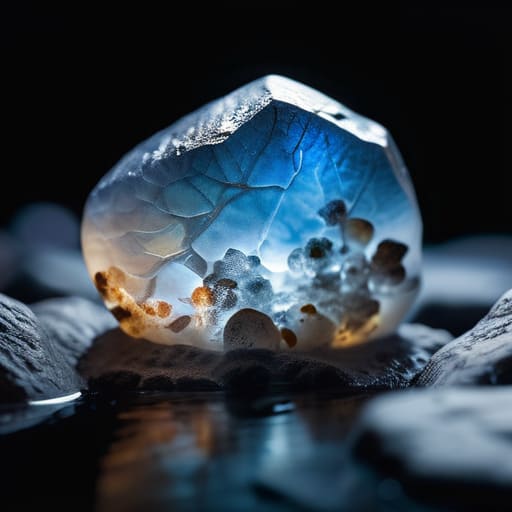
When people look for emotional healing crystals for Cancer, they often gravitate toward stones that feel soft or luminous. Because Cancer is ruled by the Moon, there is a natural pull toward things that mimic its light. I usually see people reaching for Moonstone, which is a feldspar with a specific kind of light-scattering effect called adularescence. When you see a high-quality specimen, the light looks like shimmering moonlight trapped under a thin layer of ice. It’s not magic, it’s just physics, but it’s a beautiful way to practice balancing emotions with moonstones during those heavy, lunar-driven cycles.
If you are shopping for these, watch out for the cheap, glass-filled versions that look too uniform. A real Moonstone should have a certain depth to its glow, not just a surface glitter. Whether you use it to ground yourself during a mood swing or simply because you like the way it looks on your desk is up to you. I find that knowing the mineral composition—the actual structure of the feldspar—makes the connection to the stone feel a bit more solid and real.
Scorpio Gemstone Spiritual Properties What the Stone Actually Is
When people talk about Scorpio gemstone spiritual properties, they usually lean into themes of transformation or intensity. From a mineralogical standpoint, Scorpios are often paired with stones like Malachite or Obsidian. Malachite is a copper carbonate hydroxide, and when it’s freshly cleaved, it has a green so deep and saturated it looks like seaweed pulled from a dark fjord. It’s a striking, heavy stone, but it’s also quite soft—only a 3.5 to 4 on the Mohs scale—so you have to be careful with it.
If you’re looking for something more durable, you might find yourself drawn to Obsidian. It isn’t a crystal in the traditional sense, but volcanic glass. It forms when felsic lava cools so rapidly that crystals don’t have time to grow. It has a luster that looks like oil slicked over a calm tide. While some sellers will try to link these stones to deep psychological shifts, I see them as beautiful geological snapshots of intense pressure and heat. Whether you use them for grounding or just because you like the way they catch the light, the chemistry remains the same.
Pisces Intuitive Healing Stones and the Reality of Their Power
When people talk about Pisces, they usually lean into the idea of “dissolving boundaries,” which sounds lovely in a poem but is a bit vague in a lab. Most of the Pisces intuitive healing stones you’ll see online are varieties of labradorite or aquamarine. Labradorite is a feldspar, and if you get a high-quality specimen, it has that labradorescence—a flash of color that looks like oil swirling on the surface of a dark tide pool. It isn’t magic; it’s just light interacting with microscopic layers of inclusions within the crystal structure.
If you are looking for something to help with balancing emotions with moonstones, you need to be careful. Real moonstone is a variety of feldspar with an adularescence that glows like a soft, milky light under a cloudy sky. It shouldn’t look like a piece of cheap, translucent plastic. I’ve seen plenty of glass imitations being sold as “spiritual tools,” and they won’t hold a chill or a weight like the real thing. Whether you use the stone to ground your thoughts or just to enjoy its structural beauty, make sure you’re holding the actual mineral, not a manufactured substitute.
Balancing Emotions With Moonstones Fact Versus Folklore
Moonstone is a feldspar, specifically a variety of orthoclase that exhibits a phenomenon called adularescence. When you hold it up to the light, you see that milky, blueish glow shifting beneath the surface—it looks exactly like the shimmering underside of a wave just before it breaks. In the world of folklore, this light is often linked to feminine energy and the tides, making it a staple when discussing balancing emotions with moonstones. People often reach for it when they feel emotionally flooded, hoping the stone will act as a stabilizer.
From a mineralogical standpoint, the stone won’t actually change your brain chemistry, but there is a reason it remains a go-to for those seeking emotional healing crystals for Cancer. There is something inherently grounding about the weight and the soft, rhythmic play of light within the crystal. While I can’t tell you if it will soothe a turbulent mood, I can tell you how to spot the real thing: look for that deep, internal glow. If the blue color looks like it was painted on the surface rather than swimming inside the stone, you’re likely looking at a cheap imitation.
Navigating Zodiac Birthstones for Water Elements With Clear Eyes
When you start looking into zodiac birthstones for water elements, you’ll quickly find yourself wading through a sea of marketing. Most shops will try to sell you a “spiritual toolkit” based on your sun sign, often pairing a pretty color with a heavy dose of vague promises. My advice is to strip it back. Instead of looking for a stone that promises to fix your temperament, look at the mineralogy. A stone like Aquamarine is a beryl, and its pale, sea-foam blue—the color of the North Sea just after a storm—is a result of trace amounts of iron in its crystal structure.
Whether you are seeking emotional healing crystals for Cancer or something more intense for a Scorpio, don’t let the label dictate the value. A stone’s worth is in its clarity, its inclusions, and its hardness, not in how well it matches an astrological chart. If you find a piece of Larimar that looks like the ocean on a bright, sunny day, buy it because the mineral composition is beautiful and the specimen is high quality. Once you have a real stone in your hand, the meaning you assign to it is entirely your own.
The Mineral Reality
A piece of aquamarine is just beryl with a bit of iron in it, and it doesn’t care about your horoscope, but if that pale, sea-glass blue helps you breathe a little easier when the tide comes in, then that’s a perfectly good reason to own it.
Dagny Solheim
Final Thoughts from the Lab
At the end of the day, whether you are looking for a piece of moonstone to settle your nerves or a deep, garnet-red stone to ground your Scorpio intensity, the science remains the same. We have looked at the chemical compositions and the physical realities of these minerals, stripping away the marketing fluff to see what is actually sitting under your loupe. You now know how to distinguish a genuine piece of labradorite from a cheap, treated imitation and how to identify the specific properties that make a stone unique to its geological origin. My goal wasn’t to tell you which stone will change your life, but to ensure that when you do choose one, you are buying something real that actually exists in the physical world.
Whether you treat your collection as a set of tools for emotional regulation or simply as beautiful specimens of Earth’s history, there is a certain dignity in knowing the truth. There is no shame in finding comfort in a stone’s weight or its cool, wet-looking luster; we all need anchors sometimes. Just remember that the magic isn’t in the salesperson’s pitch, but in your own connection to the material. Once you understand the hardness, the cleavage, and the chemistry, the rest of the story is yours to write. Go out, find something that catches the light just right, and make it your own.
