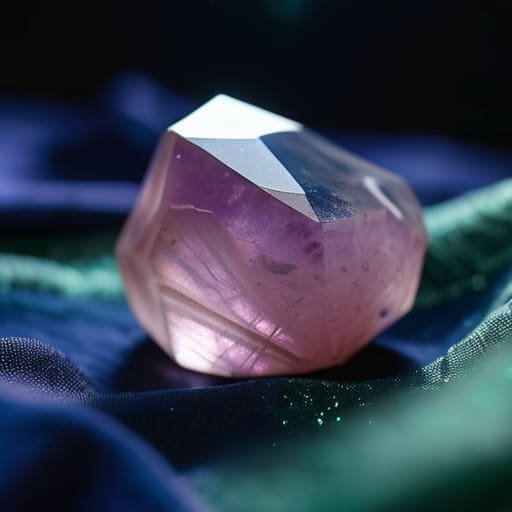
I spent six years in a windowless grading lab, staring through a loupe until my eyes burned, and if there is one thing I’ve learned, it’s that the market loves to wrap a simple piece of silicate in a layer of expensive, celestial nonsense. You’ll see shops charging triple the price for a bit of rose quartz or green aventurine because they’ve tied it to some grand myth about venus and the stones tied to it, claiming these minerals hold the literal essence of a goddess. It’s a beautiful thought, I suppose, but a stone doesn’t care about Roman mythology; it cares about its crystal structure and how it formed under pressure.
I’m not here to tell you that your rituals won’t work, but I am here to tell you exactly what you are actually holding in your hand. I’ll strip away the marketing fluff and show you the mineralogy behind the hype, helping you distinguish a genuine specimen from a glass-filled imitation. My goal is to give you the scientific reality of these stones so that when you decide to use them for your own purposes, you’re doing it with your eyes wide open.
Understanding Venus and the Stones Tied to It
When people talk about Venus, they usually drift toward the romantic or the aesthetic. In my experience, the connection between a planet and a mineral isn’t about magic working on the stone, but rather how humans have historically mapped certain astrological stone meanings onto specific chemical structures. We see a stone that reflects a certain light or color, and we assign it a vibration. It’s a way of organizing the chaos of the natural world.
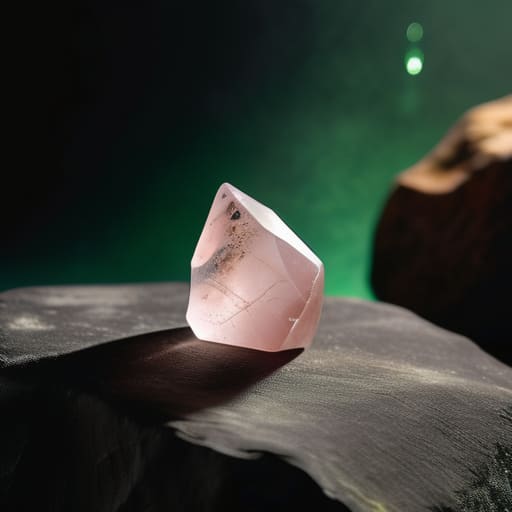
If you look into planetary gemstone correspondences, you’ll find a recurring theme of softness and allure. This is where we see a heavy reliance on stones like rose quartz or emerald. From a geological standpoint, rose quartz is just a variety of quartz with trace amounts of titanium or manganese, giving it that pink hue that looks like wet rose petals. People use these as crystals for attracting love or seeking harmony, and while I can’t prove the planet is whispering to the crystal, I can tell you that there is something deeply grounding about holding a stone that has spent millions of years under pressure just to end up in your palm.
Key Things to Know
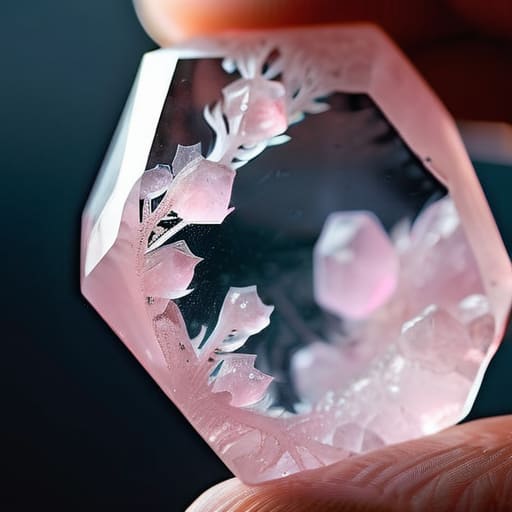
When you start looking into these stones, you’ll run into a lot of talk about planetary gemstone correspondences. Most people are searching for crystals for attracting love, which is fine, but I prefer to look at the mineralogy first. If you’re holding a piece of rose quartz, you aren’t just holding a “love stone”; you’re holding a variety of quartz that contains microscopic inclusions of dumortierite or other minerals, giving it that soft, pink hue. It looks like the color of a pale sky just after a heavy rain has washed the dust away.
The real trick is distinguishing the genuine article from the mass-produced glass or dyed chalcedony that floods the market. If a stone looks too perfect—like a piece of candy that’s been soaked in neon syrup—it’s probably not natural. I always check the cleavage and the way light hits the internal structure. Whether you want to use these for Venusian energy healing or you just like the way they catch the light on your desk, knowing that you have a piece of the earth’s actual chemistry in your hand makes the experience feel a bit more grounded.
Practical Tips and Steps
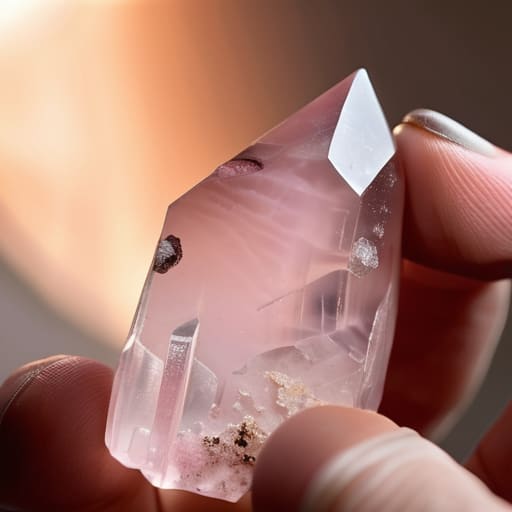
If you’re looking to bring some of these stones into your life, start with your senses rather than a guidebook. When I’m evaluating a piece of rose quartz, I don’t look for “magic”; I look at the clarity and the way the light hits the inclusions. If you are interested in gemstones for beauty and harmony, hold the stone up to the light. A genuine specimen should feel substantial and cool, not like cheap, heat-treated glass. I always check for surface abrasions under a loupe; if the edges are too perfect or the color looks like it was poured into a mold, walk away.
Once you’ve confirmed you have a real mineral, the rest is about how you integrate it. People often ask me about planetary gemstone correspondences and whether a stone actually “works.” I can’t give you a physics lesson on how a crystal attracts a partner, but I can tell you that keeping a piece of malachite or quartz on your desk changes the way you interact with your space. Whether you use them for meditation or just because you like the way they look when they’re wet, the stone’s history is set in its chemistry.
Common Mistakes to Avoid
The biggest mistake I see is people buying stones based solely on the promise of Venusian energy healing without checking if the mineral is even real. I’ve sat at my loupe and seen far too many “rose quartz” pieces that are actually just dyed calcite or even glass. If you hold a stone and it feels strangely warm or looks like it has tiny bubbles trapped inside, put it back. Real rose quartz has a specific, waxy luster—it looks like the pinkish-grey slush you see on the shoreline after a storm. If it looks too perfect, it’s probably a factory mistake.
Another pitfall is getting lost in the heavy lore and forgetting the physical reality. People get so caught up in planetary gemstone correspondences that they forget a stone’s quality matters. You might be looking for crystals for attracting love, but if you buy a piece that is heavily included or fractured, it won’t hold its beauty for long. Don’t let the romanticism of the astrological meanings blind you to the hardness and clarity of the specimen itself.
Final Thoughts
At the end of the day, whether you are looking for gemstones for beauty and harmony or just a pretty piece of silicate to keep on your desk, the science doesn’t change. A piece of rose quartz is still just a variety of quartz, no matter how much we talk about its astrological stone meanings. I’ve spent enough hours under a loupe to know that the mineralogy is the constant; the rest is just how we choose to relate to the world around us.
If you decide to lean into the more symbolic side of things—using these stones as part of your ritual for Venusian energy healing or seeking out crystals for attracting love—that is your prerogative. I won’t tell you how to hold a stone or what to feel when you look at it. I only want to make sure that when you do, you know exactly what you’re holding. Buy the real thing, understand its hardness and its chemistry, and then let it do whatever you need it to do.
On Beauty and Substance
People talk about Venusian stones as if they hold some celestial magic, but to me, they are just silicate and carbonate, shaped by heat and pressure. I don’t care if you keep a rose quartz for its mineralogy or for the way it makes you feel—I just want you to know exactly what you’re holding in your hand when you hold it.
Dagny Solheim
A Final Look at the Stones
We have covered a lot of ground, from the specific mineral chemistry of rose quartz to the way light plays through a high-quality emerald. At the end of the day, identifying these stones comes down to knowing their hardness, their cleavage, and their inclusions. Whether you are looking for a stone that mirrors the pink, wet-silk sheen of a sunset or the deep, mossy green of a forest floor after a heavy rain, remember to look past the marketing. Check the refractive index, watch for the tell-tale signs of glass treatments, and don’t be afraid to ask for a lab report. Understanding the physical reality of the mineral is the only way to ensure that what you are holding is actually what you paid for.
Once you have verified that your stone is the real deal, the science ends and your own journey begins. I don’t care if you keep your stones in a velvet-lined box or if you use them as focal points for your morning meditation; a stone’s composition remains the same regardless of the intention you project onto it. There is a certain quiet dignity in owning something that took millions of years to form under immense pressure. So, go ahead and find the piece that speaks to you. Whether you see it as a chemical curiosity or a talisman of beauty, just make sure it is authentic to its nature.
