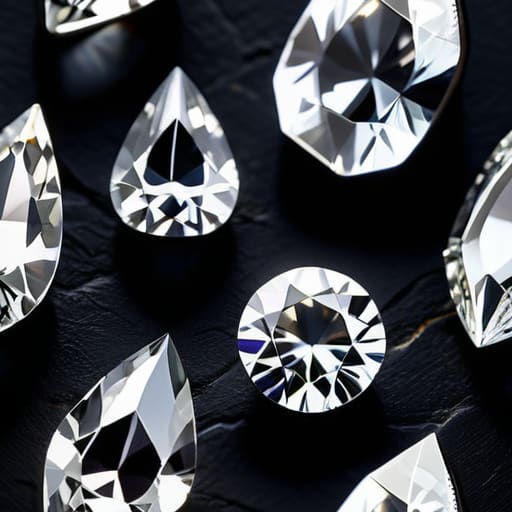
I spent six years hunched over a microscope in a grading lab, staring at stones until my eyes felt like they’d been scrubbed with sand. I’ve seen enough “miracle” stones pass through my hands to know that the industry loves to use a bit of smoke and mirrors to keep prices high. People often think that if a stone is clear and sparkling, it must be a diamond, or they fall for some overpriced synthetic that’s being marketed as a rare treasure. It’s frustrating because there is so much beauty in the world of colourless gemstones that are not diamond, but the hype often drowns out the actual mineralogy.
I’m not here to sell you on “energy” or tell you a stone will change your life, though you’re more than welcome to believe what you like. My goal is simpler: I want to tell you exactly what these stones are made of, how they form, and how to spot a fake before you part with your money. We’ll look at the hard facts—the chemistry and the cleavage—so you can understand the stone for what it truly is.
Beyond the Sparkle Colourless Gemstones That Are Not Diamond
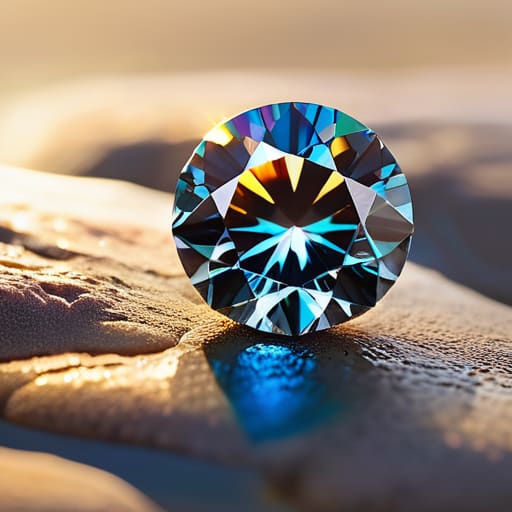
If you’re looking for something that catches the light without the diamond price tag, you’ll likely run into moissanite. It’s a silicon carbide mineral that, under a loupe, shows a “fire” or dispersion that’s actually more intense than a diamond. To my eye, it looks like sunlight hitting a shallow tide pool—all those dancing, rainbow flashes. It’s a brilliant affordable colorless jewelry alternative, but it lacks the heavy, steady weight of a true carbon stone.
Then there is the classic white sapphire. Unlike the flashy moissanite, a sapphire is a corundum, which means it has a more subdued, dignified way of handling light. It doesn’t scream; it glows. It reminds me of a piece of sea glass that’s been polished smooth by the North Sea—clear, but with a certain quiet strength. If you want something that looks substantial and won’t change its personality every time you move your hand, sapphire is a reliable choice. I always tell people: choose the stone for its character, not just its ability to blind the person sitting across from you.
The Moissanite vs Diamond Comparison Real Fire or Clever Mimicry
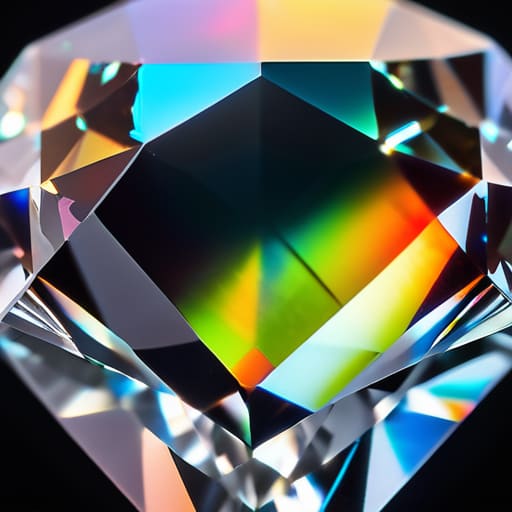
If you’ve ever looked at a ring in a shop window and thought the sparkle seemed a bit too aggressive, you were likely looking at moissanite. It’s a silicon carbide mineral, originally found in meteorites, but most of what we see now is lab-grown. In a moissanite vs diamond comparison, the biggest giveaway is the “fire.” While a diamond reflects light in a crisp, white way, moissanite breaks it into a rainbow of flashes. Under a loupe, it looks like a disco ball that’s had one too many shots. It’s much harder than quartz, but that extra flash is what usually tips off a trained eye.
Then you have the more subtle players, like white sapphire. While moissanite screams for attention, white sapphire has a much more muted, stony elegance. It lacks the heavy refraction of a diamond, appearing more like a drop of seawater caught in the sun—clear, but steady. If you are looking for affordable colorless jewelry alternatives that won’t look like a costume piece, sapphire is often the better bet for someone who wants a stone that behaves like a gem rather than a light show.
Unmasking the Truth Zirconia vs Natural Clear Stones
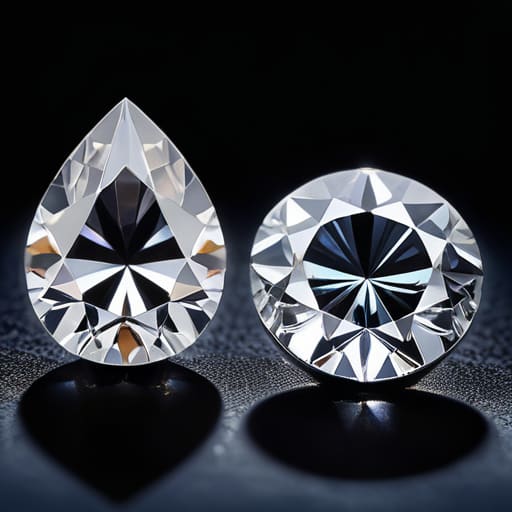
When you’re looking at a ring in a shop window, it’s easy to get blinded by that initial flash. But if you’re navigating the world of zirconia vs natural clear stones, you have to look past the surface shine. Cubic Zirconia (CZ) is a lab-made zirconium dioxide, and while it’s a decent affordable colorless jewelry alternative, it lacks the soul of a natural mineral. Under a loupe, CZ often looks almost too perfect, too symmetrical, and sometimes shows a tell-tale “doubling” of light that feels slightly off. It doesn’t have the weight or the thermal conductivity of a real stone; it just sits there, looking like a very pretty, very hollow imitation.
If you want something with actual substance, you might look toward white sapphire characteristics or even clear quartz. A white sapphire is much harder than CZ, though it won’t dance with quite as much light. When I look at a piece of clear quartz, I see the clear quartz properties of a silicate—it has inclusions, tiny “veins” or bubbles that tell me it actually formed in the earth. A sapphire will feel substantial in the hand, whereas CZ can sometimes feel surprisingly light. One is a chemical construct; the others are pieces of a much older, much more complex story.
The Quiet Strength of White Sapphire Characteristics
White sapphire is a different beast entirely. While moissanite is loud and zirconia is essentially glass, white sapphire is a corundum—the same mineral family as ruby and blue sapphire, just without the chromium or iron to tint it. In my experience, it lacks that frantic, disco-ball flash you see in lab-grown mimics, but it has a certain groundedness. The colour is often described as a pale, milky white, reminiscent of sea foam on a grey Atlantic morning. It doesn’t try to scream for your attention; it just sits there, solid and dependable.
Because it ranks a nine on the Mohs scale, it’s one of the most durable affordable colorless jewelry alternatives you can find. You can wear it every day, through gardening or even a quick dip in the fjord, without worrying about it scratching. Unlike some clear quartz properties that might include softness or inclusions that look like cracks, a high-quality white sapphire feels substantial. It’s a stone for people who value longevity over a momentary show of brilliance. It’s not a pretender; it’s just a very tough, very quiet mineral.
Decoding the Brilliance of Topaz Gemstone Varieties
When people talk about topaz, they usually mean the blue variety you see in every gift shop. But if you look for the colorless varieties, you’re dealing with a true silicate mineral that has a much more interesting story. Natural white topaz is quite hard—a 8 on the Mohs scale—which makes it a sturdy choice for daily wear compared to something like clear quartz properties, which are much softer and prone to scratching. To my eye, a high-quality colorless topaz has a flash that looks like sunlight hitting a shallow tide pool; it’s bright, but it doesn’t have that heavy, almost oily doubling you see in some other stones.
You have to be careful with the market, though. Because it is one of the most popular affordable colorless jewelry alternatives, you’ll often see it sold alongside much cheaper glass or heavily treated stones. I always tell my clients to look at the cleavage. Topaz has perfect cleavage, meaning it can split along certain planes if hit hard. If you’re looking at a stone that seems impossibly perfect and lacks that specific mineral structure under a loupe, you might be looking at a synthetic or a clever bit of glass.
What Clear Quartz Properties Reveal About Your Stone
When you look at a piece of clear quartz, you aren’t looking at a single, perfect miracle; you’re looking at silicon dioxide. It’s a simple mineral, but its beauty lies in its imperfections. Unlike the intense, controlled fire you might see in a moissanite vs diamond comparison, quartz has a much softer, more liquid light. When it’s clean, the colour looks like melted ice on a granite slab—clear, cold, and slightly heavy.
The most important thing to understand about clear quartz properties is how it handles light versus how it handles damage. Because it sits at a 7 on the Mohs scale, it’s tougher than many people realize, but it will scratch if you treat it like a diamond. I always tell people to look for internal “veils” or tiny fractures. If a stone is absolutely, mathematically perfect with no inclusions whatsoever, I start to get suspicious that I’m looking at glass or a synthetic rather than a natural specimen. It’s not about being cynical; it’s just about knowing the chemistry of what you’re holding.
Choosing Affordable Colorless Jewelry Alternatives Without Regret
When you’re looking for affordable colorless jewelry alternatives, the trick isn’t finding the cheapest stone; it’s finding the one that won’t leave you disappointed in six months. I’ve seen too many people buy a piece of jewelry thinking they’ve found a bargain, only to realize the stone has become cloudy or scratched beyond recognition. If you want something for everyday wear—something you can actually live in—you need to look closely at the hardness on the Mohs scale.
If you are leaning toward something with high brilliance, a moissanite vs diamond comparison is usually the first step, but remember that moissanite has a “fire” that can look almost too electric to be natural. If you prefer something more understated, looking into white sapphire characteristics is a smarter move for durability. They don’t dance in the light quite as much, but they hold their polish beautifully. Whether you end up with a piece of topaz or a simple quartz pendant, just make sure you know exactly what you are holding. Once you understand the chemistry, you can buy with confidence rather than just hope.
The Truth in the Clarity
A diamond is a marvel of carbon, but it isn’t the only way to find beauty in a clear stone; whether it’s the grit of a quartz or the flash of a moissanite, the chemistry tells the real story, not the price tag.
Dagny Solheim
The Reality of the Stone
At the end of the day, whether you are looking at the intense, watery fire of a moissanite or the steady, reliable hardness of a white sapphire, you are dealing with chemistry and light. We have looked at how to separate the lab-grown mimics from the natural minerals, and how to tell the difference between a high-quality topaz and a piece of glass masquerading as something more. My goal wasn’t to tell you which one is “better,” but to ensure you know exactly what is sitting in your palm. Once you understand the hardness, the refractive index, and the actual mineral composition, the guesswork disappears. You move from being a consumer who is hoping for the best to a person who knows exactly what they own.
There is a certain peace that comes with knowing the truth about a stone. Whether you want a clear gem because it looks like a drop of seawater caught in the sun, or because you find comfort in its physical weight, that choice is yours alone. I don’t care if you buy a stone for its geological history or simply because it catches the light beautifully on a Tuesday morning. A gemstone is just a piece of the earth that has survived millions of years of pressure, and it is yours to keep. Find the one that speaks to you, and just make sure you know its real name.
