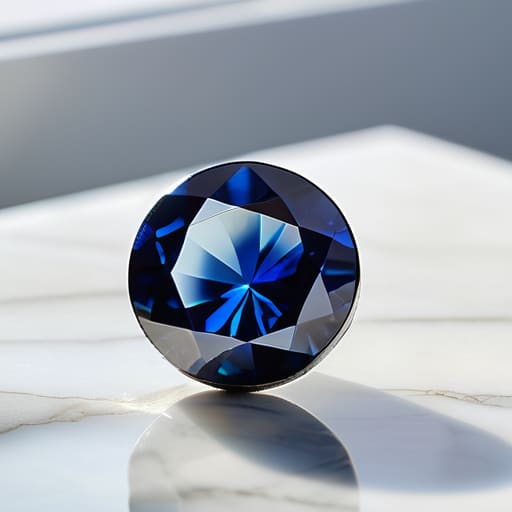
I spent six years hunched over a microscope in a grading lab, staring at inclusions until my eyes felt like they were full of sand. I’ve seen enough “miracle” stones to know that most of the mystical fluff you read online is just expensive marketing designed to separate you from your money. People think they need a high-priced consultant or a magic ritual to navigate the digital market, but the truth is much simpler and a lot more grounded. If you want to master buying gemstones online without getting burned, you don’t need to learn their language; you just need to learn how to read the stone itself.
I’m not here to sell you on the “energy” of a crystal or promise that a certain cut will change your life. My job is to tell you exactly what a mineral is, what its chemical makeup should look like, and how to spot the glass or synthetic fillers being passed off as the real thing. I’ll give you the technical red flags to watch for so you can shop with confidence. Once you’ve got a genuine stone in your hand, what you do with it is entirely up to you.
Understanding Buying Gemstones Online Without Getting Burned
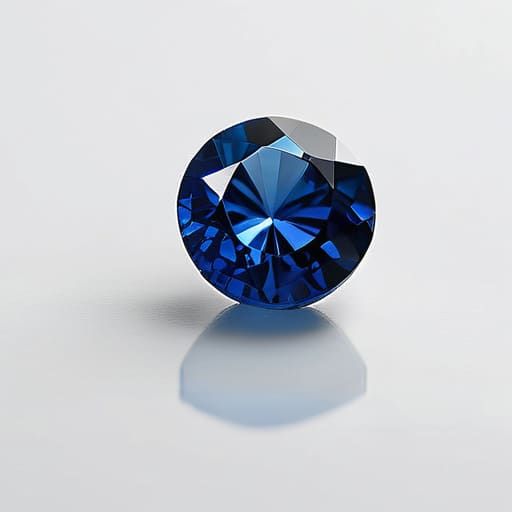
The biggest trap in digital shopping is the gap between a high-resolution photo and the actual mineral sitting in your palm. A screen can make a piece of glass look like a deep, ocean-blue sapphire, but it can’t show you the internal inclusions that prove it grew in the earth. To navigate this, you need to look past the marketing fluff and demand gemstone grading reports explained in plain terms. I’m not talking about a piece of paper from a shop owner; I mean independent labs like GIA or IGI. These reports are your primary defense, providing a technical map of what the stone actually is.
You also have to get comfortable with the reality of modern labs. It is becoming increasingly difficult to master identifying lab-grown vs natural gems just by glancing through a loupe, as modern technology can mimic natural growth patterns quite convincingly. This is why you should only deal with reputable online jewelry retailers who are transparent about their inventory. If a seller is vague about whether a stone is “created” or “natural,” they are usually hiding the truth. Once you have the facts, the choice to buy is yours, but at least you’ll know exactly what you’re paying for.
Key Things to Know
First, you need to look past the pretty photography and demand the paperwork. I’ve spent years staring through a loupe, and I can tell you that a glowing website means nothing if it isn’t backed by a gemstone authenticity certification from a recognized lab like GIA or IGI. Don’t just take the seller’s word that a stone is “natural”; look for the actual report. If they can’t provide a digital scan of the document, keep your wallet closed.
You also need to get comfortable with the reality of modern labs. It is becoming increasingly difficult to tell the difference between a mined stone and a factory-made one, which is why knowing identifying lab-grown vs natural gems is your best defense. A lab-grown sapphire might have the same chemical formula as one from the earth, but the price tag should reflect that. If a deal looks too good to be true, it’s usually because you’re buying a high-tech imitation instead of a piece of geological history.
Practical Tips and Steps
First, stop looking at the price tag and start looking for the paperwork. If you are eyeing a high-end sapphire or emerald, do not settle for a vague “certificate of authenticity” from the seller themselves. You want a gemstone authenticity certification from a recognized laboratory—think GIA, IGI, or SSEF. These reports are the only way to truly understand what you are looking at, providing a clear breakdown of whether you are holding a natural specimen or something cooked in a lab. I always look for the gemstone grading reports explained in plain language; if the seller can’t or won’t provide one, walk away.
Next, treat the transaction like you’re negotiating a contract, not a friendship. Stick to reputable online jewelry retailers that have a physical history and clear, written policies. Before you click ‘buy,’ find their section on gemstone return policies and consumer rights. If they don’t offer a clear window to return the stone if it doesn’t match the description, they aren’t worth your time. Use secure payment methods—never wire money directly to a stranger—and make sure you have a digital paper trail.
Common Mistakes to Avoid
The biggest mistake I see is people falling in love with a price tag before they’ve even looked at the paperwork. If you find a sapphire that looks like a deep, midnight ocean—the kind of blue that only shows up when a stone is soaked in a tide pool—but the price is too good to be true, it probably is. Many sellers will gloss over the details, but you need to look for a legitimate gemstone authenticity certification from a recognized lab. If they can’t provide a clear report, they are likely hoping you won’t ask questions.
Another trap is ignoring the distinction between a natural stone and a high-quality imitation. It’s getting harder to tell the difference, but identifying lab-grown vs natural gems becomes much easier when you stop looking at the color and start looking at the inclusions. A natural stone has a history written in its internal flaws; a synthetic stone often looks too perfect, like a piece of glass polished to a mirror finish. Don’t let a pretty photo distract you from the lack of a proper gemstone grading report.
Final Thoughts
At the end of the day, the internet is just a massive, disorganized quarry. You can find incredible treasures if you know where to dig, but you can also stumble into a lot of silt and glass. My advice is to stay grounded in the chemistry. Don’t get swept up in the marketing glow; instead, look for the paperwork that actually matters. Always check for a legitimate gemstone authenticity certification from a lab that isn’t just a printout from a home inkjet printer. If a seller can’t provide a clear breakdown of what they’re selling, they probably don’t know themselves.
Whether you are looking for a piece of history or just something pretty to hold while you drink your coffee, do your homework first. Knowing how to spot synthetic stones isn’t about being cynical; it’s about being informed. Once you’ve verified the mineral composition and the provenance, the stone is yours. Whether you want to wear it, study it under a loupe, or just keep it in a drawer, that’s your choice. I just want to make sure that when you hold it, you’re holding something real.
## A bit of perspective
A gemstone is just a specific arrangement of atoms, a bit of chemistry and a lot of time, but a scam is just a lack of transparency. I’ll teach you how to read the mineral, but you have to be the one to read the seller.
Dagny Solheim
One last look before you click buy
At the end of the day, buying stones through a screen is just a game of managing risk. You need to look past the polished marketing photos and demand the hard data: the mineral species, the treatment history, and a clear certification from a lab that actually knows its way around a spectroscope. Don’t let a seller rush you with “limited stock” warnings, and never feel bad about walking away if the description feels vague or slippery. If you stick to checking the specifics—the hardness, the refractive index, and the origin—you’ll stop being a target and start being a collector. It’s about knowing the difference between a geological specimen and a piece of colored glass.
Once you’ve done the legwork and that package finally arrives, the science part of my brain can step aside. Whether you bought that sapphire because its blue reminded you of the North Sea after a storm, or because you believe it holds a certain kind of energy, that is your prerogative. A stone is a beautiful, tiny piece of Earth’s history that has survived millions of years of pressure just to end up in your palm. If you’ve done your homework and found something that makes you stop and stare, then you haven’t been burned—you’ve found something real.
