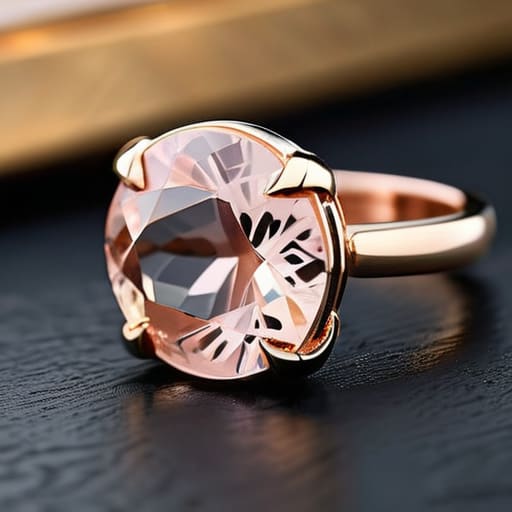
I remember sitting in the grading lab back in Bergen, staring through a loupe at an opal that looked like a spilled bucket of oil on a wet pier. It was breathtaking, but it was also incredibly fragile. A few months later, I saw a client walk in with a beautiful piece of morganite that had been crushed because they’d insisted on a delicate, high-profile prong setting that offered zero protection. People love to talk about “aesthetic harmony” or “spiritual alignment” when it comes to choosing a setting for a soft stone, but most of that is just expensive fluff. If you treat a 6.5 Mohs mineral like it’s a diamond, you aren’t being fashionable; you’re just being reckless with something that took millions of years to form.
I’m not here to sell you on a specific jeweler or a “must-have” trend. My goal is to give you the actual mechanics of what works. I’ll explain the difference between a bezel that hugs the stone and a prong that leaves it vulnerable, and I’ll tell you which metals won’t cause your gem to crack under pressure. Once you understand the physical reality of the stone in your hand, what you decide to do with it is entirely up to you.
The Naked Truth About Choosing a Setting for a Soft Stone
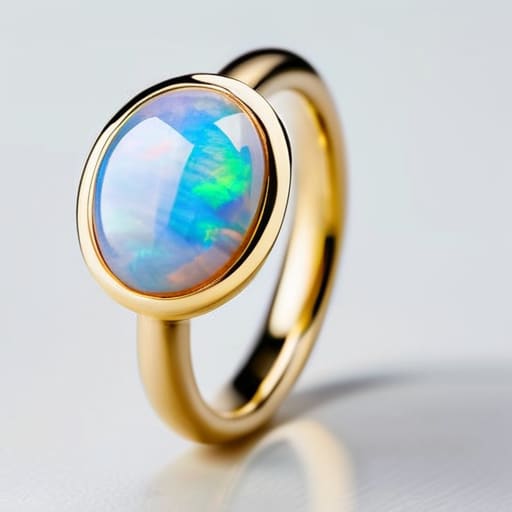
When you’re looking at something like an opal or a pearl, you aren’t just looking at a pretty object; you’re looking at something that can be ruined by a clumsy bump against a granite countertop. These stones sit low on the Mohs scale, which is just a fancy way of saying they don’t have much backbone. If you go with a high-profile design, you’re essentially inviting the world to take a bite out of them. I always tell people that protecting fragile gemstones starts with how much metal you can wrap around the edges.
I usually find myself debating bezel vs prong settings for soft stones when a client brings me something particularly temperamental. Prongs are elegant, sure, but they leave the girdle—the widest part of the stone—exposed to every stray scratch. A bezel setting, where a rim of metal hugs the entire circumference, acts like a little suit of armor. It’s not always the most dramatic look, but if you want to avoid the heartbreak of a chipped edge, it’s the most sensible way to go.
Bezel vs Prong Settings for Soft Stones the Hard Facts
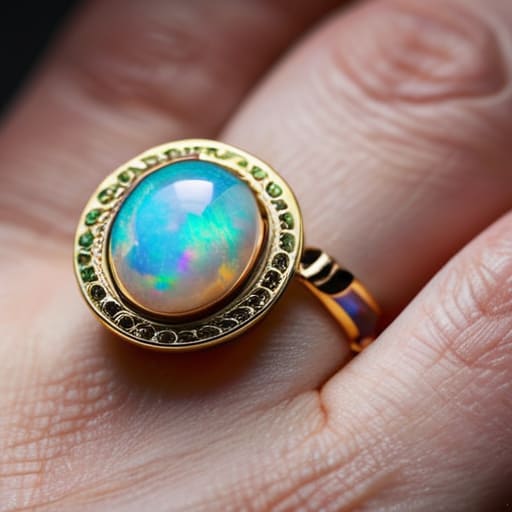
When you’re looking at bezel vs prong settings for soft stones, you’re essentially deciding how much of the stone’s edge you want to leave exposed to the world. Prongs are beautiful; they let light dance through a stone, which is vital for something like an opal. But prongs are like little fingers holding onto a slippery fish. If you catch a prong on a sweater or a doorframe, that stone is going to take a hit. If you want to prioritize preventing gemstone scratches and chips, a bezel is your best friend. It’s a continuous rim of metal that wraps entirely around the perimeter, acting like a tiny, protective bumper.
It isn’t just about the style, though; it’s about the physics of the impact. A bezel provides much better coverage for the girdle—that thin edge where the stone is most vulnerable. For pearls or high-quality opals, I usually lean toward a bezel or a heavy, low-profile mounting. It keeps the stone from knocking against hard surfaces every time you move your hand. Ultimately, the durability of gemstone settings comes down to how much “armor” you’re willing to wrap around the mineral.
Protecting Fragile Gemstones From the Worlds Unkind Edges
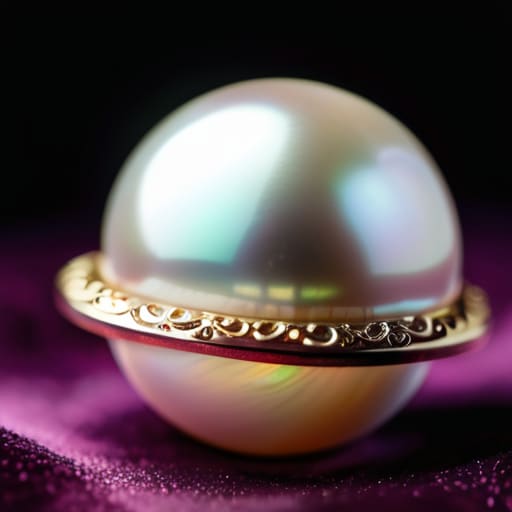
When I was working in the lab, I saw too many beautiful opals and pearls end up in the scrap bin because someone treated them like a diamond. If you’re working with something low on the Mohs scale, you have to accept that the world is a series of sharp corners and hard surfaces waiting to happen. Preventing gemstone scratches and chips isn’t about being paranoid; it’s about understanding that a pearl is essentially layers of organic calcium carbonate, not a piece of granite. If you bang a pearl against a granite countertop, it’s going to lose its luster or crack, no matter how expensive the gold is.
This is where your choice of mounting really matters. While I’ve already touched on the pros and cons of different styles, the real goal here is physical shielding. For stones like opal, which can look like trapped moonlight on a wet pier, you want a setting that acts as a buffer. This is why many people find that certain best mounting styles for opal and pearl involve higher walls of metal. You aren’t just holding the stone; you are building a little fortress around it to survive the daily grind of life.
Preventing Gemstone Scratches and Chips Without the Pretense
When we talk about preventing gemstone scratches and chips, we aren’t talking about making the stone indestructible. That’s impossible. If you drop an opal on a granite countertop, no amount of clever goldsmithing is going to save it from a crack. What we are actually doing is managing the risk. I always tell people to think about their daily life—are you someone who works with your hands, or do you spend your days typing at a desk? If you’re constantly hitting things, you need a setting that acts like a buffer.
This is where the durability of gemstone settings really comes down to the physics of the metal. A heavy, thick bezel is like a bumper on a car; it takes the brunt of the impact so the stone doesn’t have to. If you prefer the look of prongs, just keep in mind that you’re leaving the edges of the stone exposed to the world. It’s a trade-off between seeing the light dance through the facets and keeping the stone safe from the occasional accidental bump.
Best Mounting Styles for Opal and Pearl Lovers
If you’re holding an opal, you’re holding something that looks like sunlight trapped in a puddle after a storm. Opals are hydrous silica, meaning they actually contain water; if they dry out or get knocked against a granite countertop, they can crack. When looking at the best mounting styles for opal and pearl lovers, I almost always steer people toward a heavy bezel. A bezel wraps the metal entirely around the girdle of the stone, acting like a protective rim. It’s much more forgiving than prongs, which leave the edges of the stone exposed to the world.
Pearls are a different beast entirely. They are organic, made of calcium carbonate, and they feel like smooth, wet silk under the thumb. Because they are so soft, they can’t handle the same pressure as a mineral. I tend to suggest settings where the pearl sits nestled in a shallow cup, or perhaps a pendant style where it isn’t constantly rubbing against your skin or clothing. When considering jewelry metal compatibility for delicate gems, remember that the metal should support the stone, not squeeze it. You want a mount that holds it securely without making it feel like it’s in a vice.
Jewelry Metal Compatibility for Delicate Gems and Your Life
When you’re looking at jewelry metal compatibility for delicate gems, it’s easy to get caught up in the aesthetics of gold versus silver. But if you’re wearing a piece with a soft stone, you need to think about the weight and the way the metal interacts with the setting itself. I’ve seen heavy, chunky platinum mounts that look stunning but can actually put undue pressure on a delicate stone if the tolerances aren’t perfect. For something like an opal, I usually lean toward lighter, more flexible metals like 14k gold. It’s enough to provide security without being so massive that it feels like you’re wearing a piece of industrial equipment on your finger.
You also have to consider how much you move in your daily life. If you’re someone who is constantly gesturing or working with your hands, the durability of gemstone settings becomes your primary concern. A heavy, dense metal might seem safer, but it can also be unforgiving if you bang your hand against a table. I tend to think about the metal as the armor for the stone; it needs to be sturdy enough to keep the gem in place, but not so rigid that it can’t absorb a bit of the shock from a minor bump.
The Durability of Gemstone Settings What You Can Expect
Look, I’m not going to tell you that a piece of jewelry is indestructible. Even with the most careful design, a stone is still a physical object subject to the laws of physics. When we talk about the durability of gemstone settings, we aren’t talking about making the stone invincible; we are talking about managing the risk. If you have a piece of labradorite that looks like a piece of the North Sea after a storm—all deep blues and dark, wet greys—it is still going to be vulnerable if it’s held by tiny, thin claws that can snag on a sweater.
You have to accept that every choice involves a trade-off. A heavy bezel offers maximum security, but it hides the profile of the stone. A prong setting lets the light in, but it leaves the edges exposed to the world’s unkind edges. If you are looking into preventing gemstone scratches and chips, you have to decide how much “armor” you are willing to wear. Some days you want a delicate ring that sits flush against your skin; other days, you need something robust enough to survive a busy afternoon. It’s about finding the balance between how the stone looks and how much you can actually live with it.
A Final Thought on Protection
A soft stone isn’t a liability, it’s just a piece of chemistry that requires a bit of respect; you can wrap it in enough metal to make it a fortress, or choose a setting that lets it breathe, but once you’ve decided how much of a shield you want, the rest is just your own style.
Dagny Solheim
One Last Look Before You Buy
At the end of the day, choosing a setting for something like an opal or a pearl isn’t about following a strict set of laboratory rules; it’s about managing the reality of physics. We’ve talked about why a bezel setting offers that much-needed armor, why certain metals play nicer with delicate structures, and how to avoid those accidental collisions with doorframes or countertops that lead to chips. You don’t need to be a gemmologist to understand that soft stones require a bit of extra thought when it comes to how they are held. If you prioritize protection—whether through a sturdy mounting or a more conservative design—you’re essentially just giving that mineral a better chance to stay intact. It’s all about finding that balance between structural integrity and the aesthetic you actually want to wear.
I know people get caught up in the “energy” or the “vibe” of a stone, and while I’ll stick to the chemistry and the Mohs scale, I’m not here to tell you that your intentions don’t matter. If a stone speaks to you, buy it. Just make sure you aren’t buying a beautiful piece of labradorite only to have it crack because you chose a setting that left its edges completely exposed. A stone is a piece of history, a tiny fragment of the earth’s crust that survived millions of years just to end up in your jewelry box. Treat it with a little bit of practical respect, and it will likely stay as bright and clear as a wet pebble on a North Sea beach for a long time to come.
