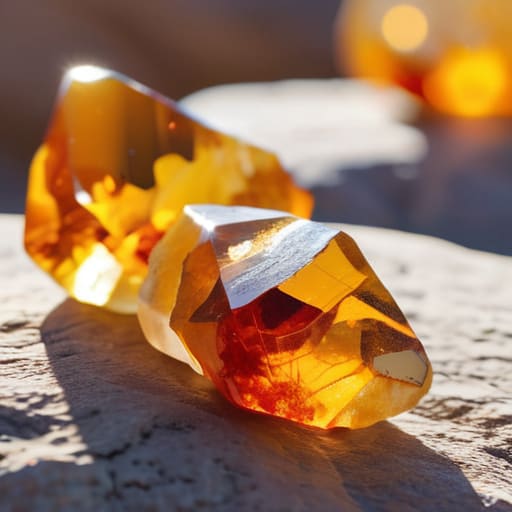
I spent six years hunched over a microscope in a grading lab, staring at inclusions until my eyes burned, and if there is one thing I’ve learned, it’s that people love to sell a feeling as if it were a chemical property. You’ll see shops claiming that certain gems are vibrating with solar energy, or that you can harness the power of the cosmos just by holding a piece of glass. It’s exhausting. I’m not interested in the marketing fluff that tries to link the sun and the stones tied to it through vague, mystical promises that can’t be measured. I want to talk about the actual mineralogy—the way light hits a specific crystal lattice and why some stones look like molten honey when they’re held up to a window.
I’m not here to tell you whether a stone will change your life or align your chakras; that’s your business, and I won’t judge you for it. My job is to tell you what the stone actually is. I’ll show you the difference between a genuine sunstone with its distinct copper inclusions and a piece of cheap, dyed feldspar. I’ll give you the hard facts on composition and clarity so that when you buy something, you know exactly what you’re holding in your hand.
Understanding the Sun and the Stones Tied to It
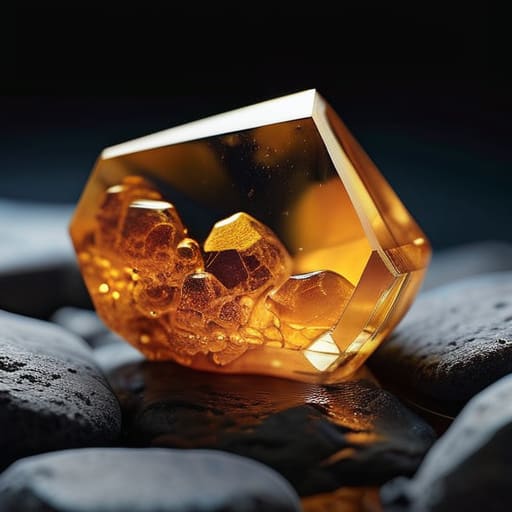
When people talk about the connection between the sun and certain minerals, they usually mean one of two things: the physical way light interacts with a crystal’s lattice, or the metaphysical idea of solar plexus activation. From my perspective, the two aren’t as far apart as you might think. The sun is a massive nuclear furnace, and the stones we associate with it—like citrine or carnelian—often owe their color to the way elements have reacted to heat and pressure over millions of years. They look like sunlight caught in a jar, or more accurately, like a shallow tide pool at noon when the water is so clear it almost disappears.
If you are looking for healing crystals for vitality, you are likely drawn to these warm, golden hues. Whether you believe the stone holds a literal charge or you just find the color uplifting, the chemistry remains the same. I often see people practicing sunlight charging crystals by leaving them on a windowsill. While a geologist might just see a bit of thermal expansion, there is something undeniably satisfying about watching a piece of golden quartz catch the morning light.
Key Things to Know
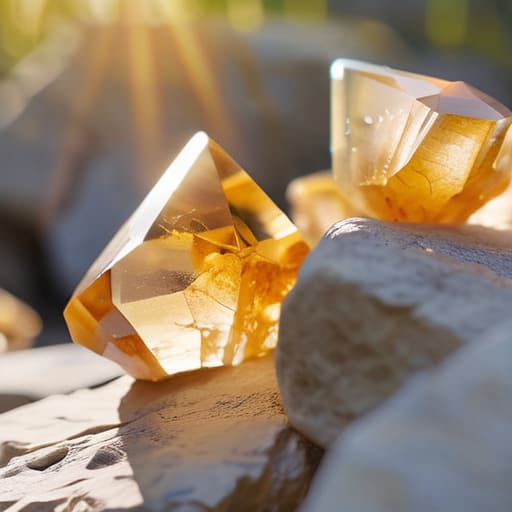
When you’re looking for stones that carry that solar warmth, you have to start with the chemistry. Most people come to me looking for citrine and sun energy, but they often end up with heat-treated amethyst that’s been baked in an oven until it turns a muddy orange. Real citrine is a variety of quartz that usually looks like a pale, translucent lemon or a honey-colored drop. If the color looks too saturated—like a neon orange highlighter—it’s likely a fake. I always tell my clients to look for that natural, even distribution of color; nature rarely works in perfect, artificial gradients.
Beyond just the chemistry, there is the way people use these pieces. You’ll see a lot of talk about solar plexus chakra stones and using them for personal empowerment. I don’t deal in the physics of energy, but I do understand why a piece of golden quartz feels significant when you hold it. Whether you are using them for sunlight charging crystals or just want a bright object on your desk to lift your mood, the key is knowing that the stone’s beauty comes from its mineral structure, not a marketing claim.
Practical Tips and Steps
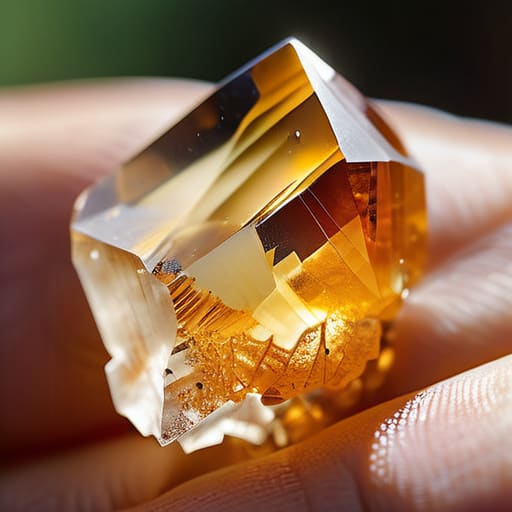
If you’ve decided to bring some of these pieces into your life, don’t overcomplicate the process. If you are looking for citrine and sun energy, start by checking the stone’s clarity under a decent light. Real citrine, specifically the natural variety, often looks like honey left out in the sun—warm, slightly uneven, and never that neon, artificial orange you see in cheap heat-treated amethyst. When you hold it, look for those internal inclusions; they are the stone’s fingerprints.
For those using them as solar plexus chakra stones, I suggest a simple routine. I like to place my stones on a windowsill during the morning hours. This isn’t about magic, but about sunlight charging crystals in a way that feels grounded. Just a few hours of direct light can make the colors pop, making them look like sea glass pulled fresh from a tide pool. Whether you are using them for meditation or just to brighten a desk, treat them as physical objects with a history. They are beautiful specimens of geology, and they deserve that bit of respect.
Common Mistakes to Avoid
The biggest mistake I see is people paying premium prices for heat-treated amethyst that’s been baked until it turns a muddy, burnt orange. They’re told it’s “natural citrine,” but it’s actually just a purple stone that’s been forced to change its identity in a furnace. Real citrine is much more subtle; it looks like honey left out in the sun or a pale, golden nectar. If the stone looks like it’s been soaked in orange marmalade, it’s probably not the genuine article.
Another slip-up involves how people treat their collection. I see people leaving their sunlight charging crystals in a window where the glass acts like a magnifying lens, which can actually cause certain stones to fade or crack. If you’re looking for healing crystals for vitality, you want them to hold their integrity. Don’t mistake a piece of yellow glass for something with real golden quartz properties. One is a chemical accident; the other is a mineral with a history. Check the hardness, look at the inclusions, and don’t let a pretty color bypass your common sense.
Final Thoughts
At the end of the day, whether you are holding a piece of genuine heat-treated citrine or a chunk of golden quartz, the science remains the same. You have a mineral with a specific refractive index and a chemical structure that has survived millions of years of pressure. I don’t care if you keep it in a velvet box or use it for solar plexus activation during your morning meditation; my job is just to make sure you know exactly what you’re holding in your hand.
If you decide to go the route of using these as healing crystals for vitality, just remember to treat them with the respect their geology deserves. I often find myself sitting by the coast, watching the light hit the wet granite, and thinking about how much energy is actually stored in the earth’s crust. If you choose to practice sunlight charging crystals to keep that connection alive, go ahead. Just don’t let the mysticism blind you to the physical reality of the stone. Once you know the difference between a lab-grown imitation and a natural specimen, the choice of what to do with it is entirely yours.
A different kind of light
A stone doesn’t actually care about the sun, but it certainly remembers the heat that formed it. Whether you’re looking for a piece of solar energy to hold in your palm or just a bit of golden citrine that looks like seawater hitting a sunlit beach, remember that the chemistry is what’s real; the rest is just how you choose to see it.
Dagny Solheim
A Final Look at the Light
We’ve covered a lot of ground, from the chemical reality of how these minerals form to the practical ways you can tell a genuine piece of sun-drenched quartz from a glass imitation. Remember that whether you are looking at the golden inclusions in a citrine or the fiery flash of an amber specimen, the first step is always the same: look for the physical truth of the stone. Check the hardness, observe how the light moves through the crystal lattice, and don’t be fooled by a color that looks too perfect or too uniform. If you can identify the mineral and understand its composition, you’ve already won half the battle against the flood of synthetics out there. It’s about knowing what is actually in your hand before you decide what it means to you.
At the end of the day, my job ends once I’ve confirmed the specimen is real. I can tell you that a stone is a specific arrangement of atoms forged under heat or pressure, but I can’t tell you how it should make you feel. If holding a piece of sun-colored labradorite brings you a sense of warmth or helps you focus during a long afternoon, then that is its value. There is a certain beauty in the intersection of hard science and human meaning. Whether you treat these stones as geological wonders or as personal talismans, just make sure you are doing it with something authentic.
