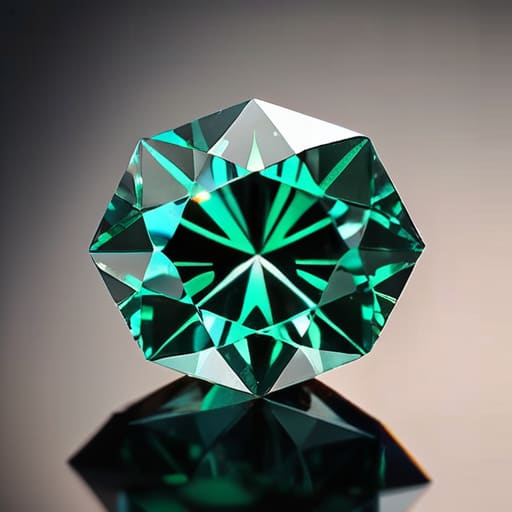
I remember sitting in a cramped grading lab in Bergen, squinting through a loupe at a tray of stones that all looked, at first glance, like nothing more than little sparks of light. Most people walk into a jeweler’s shop expecting a certain kind of magic, only to find themselves paralyzed by the choice between two completely different ways of manipulating light. You see a ring that catches every ray in the room, and another that looks like a calm, deep pool of water, and suddenly you’re trying to weigh step cuts and brilliant cuts compared without actually knowing what the math behind the sparkle is. It’s easy to get lost in the marketing, but the truth is that these two styles are playing entirely different games with the physics of the stone.
My goal here isn’t to tell you which one is “better,” because that’s a subjective question that depends on whether you want a firework or a mirror. Instead, I’m going to strip away the sales talk and show you the structural reality of how these facets actually work. I’ll explain why one stone might look dull while the other looks blinding, and how to spot a poorly cut gem that’s hiding its flaws. Once you understand the mineralogy and the geometry, you can decide if you want a stone that dances or one that sits quietly; that part is entirely up to you.
The Brilliant Cut
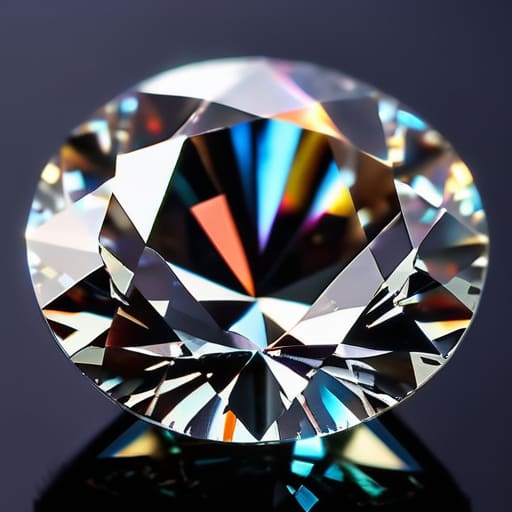
A brilliant cut is a geometric arrangement of facets designed to maximize the amount of light reflected back to your eye. Its core mechanism relies on a high number of small, triangular facets that bounce light internally to create maximum scintillation and fire. When people talk about a stone “sparkling,” they are almost always describing the effect produced by a well-executed brilliant cut.
In my years in the lab, I’ve learned that this cut doesn’t care about the stone’s internal clarity as much as it cares about its ability to dance. It’s a high-energy way to wear a gem; it reminds me of how sunlight hits the surface of the North Sea right after a storm, where every tiny ripple is a shattered mirror of white light. If you want a stone that demands attention from across a room, this is the mathematical way to achieve it.
The Step Cut
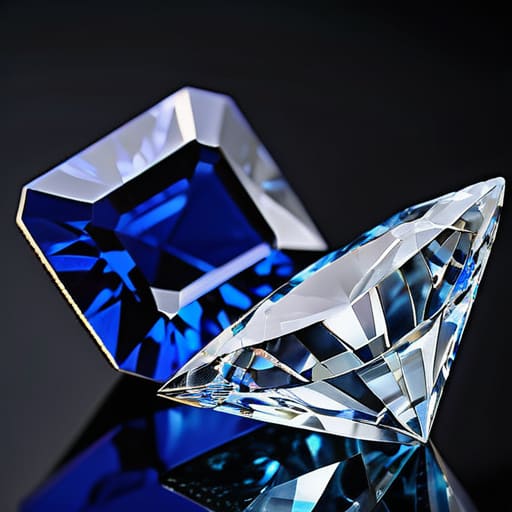
A step cut is a style of gem cutting where the facets are arranged in parallel, rectangular tiers that resemble a staircase. Rather than focusing on frantic movement, the mechanism of a step cut emphasizes the depth and saturation of the mineral’s natural color. By using long, flat planes instead of tiny triangles, the light travels through the stone in a more orderly, predictable fashion.
I’ve always found a certain quiet dignity in a step cut, particularly in stones like emeralds or sapphires. While a brilliant cut is a firework, a step cut is more like a still mountain pool—it allows you to actually see the substance of the stone without the distraction of constant flashing. It’s for when you want to appreciate the specific, heavy hue of a gem rather than just its ability to catch the light.
Comparison of Diamond Cut Styles
| Feature | Step Cut | Brilliant Cut |
|---|---|---|
| Primary Visual Effect | Hall-of-mirrors/Linear flashes | Scintillation/Sparkle |
| Facet Arrangement | Parallel, rectangular steps | Triangular, star-shaped facets |
| Light Performance | Emphasis on clarity and structure | Emphasis on brilliance and fire |
| Best For | High-clarity stones (Emerald/Asscher) | Showcasing color and sparkle |
| Flaw Sensitivity | High (shows inclusions easily) | Low (hides inclusions well) |
| Common Shapes | Emerald, Asscher, Baguette | Round, Princess, Marquise |
The Anatomy of Light Step Cuts and Brilliant Cuts Compared
When you look at a stone, you aren’t just looking at a piece of mineral; you are looking at how that mineral manages the light hitting it. Whether you want a stone that dances or one that glows steadily, the way the facets are arranged dictates the entire personality of the gem. If you get this wrong, you might buy a stone that looks dull or “dead” simply because the architecture can’t handle the light.
A brilliant cut is built for maximum fire. It uses a high number of facets to break light into a spectrum of colors, creating that frantic, shimmering effect you see in high-end engagement rings. It’s like watching sunlight hit the surface of the North Sea during a storm—lots of rapid, broken movement. A step cut, however, works differently. Instead of scattering light, it creates long, parallel planes that reflect light in broad, calm flashes. It doesn’t scramble the light; it organizes it into a structured, architectural glow.
If you want high-octane sparkle and “wow” factor, the brilliant cut wins every time. But if you prefer elegance and clarity, the step cut is your champion.
Decoding Gemstone Light Refraction Patterns and Facet Arrangement Differenc
When you look at a stone, you aren’t just seeing a color; you’re seeing how the light survives the journey through the crystal lattice. Understanding how facets are arranged isn’t just for gemologists—it’s how you tell if a stone is going to dance on your finger or just sit there looking like a piece of wet glass.
In a brilliant cut, the facets are arranged in a complex, crowded geometry designed to bounce light back to your eye through a series of rapid-fire reflections. It creates that frantic, flickering “sparkle” we all recognize. A step cut, however, uses long, parallel facets that act more like mirrors. Instead of a chaotic explosion of light, you get these broad, calm flashes of color that move across the surface in rhythmic sweeps.
The practical difference is about your intention. If you want a stone that grabs attention from across a room, the brilliant cut’s refraction pattern is unmatched. But if you want to appreciate the internal clarity and the deep, saturated hue of a high-quality emerald, the step cut allows that color to breathe without being interrupted by constant flashes.
For sheer, high-octane light performance, the brilliant cut wins this round.
From Emerald Cut vs Round Brilliant to Your Personal Aesthetic
Choosing between these two isn’t about which cut is “better” in a laboratory sense; it’s about how you want a stone to behave when it catches the light. A cut is a permanent decision that dictates whether a gem screams for attention or whispers a secret. If you pick the wrong one for your style, even the most expensive sapphire will feel fundamentally wrong on your hand.
The round brilliant is a powerhouse of kinetic energy. It is designed to maximize light return, creating that dancing, splintered sparkle that stays visible even from across a room. It’s loud, bright, and unapologetic. An emerald cut, however, plays by different rules. It offers long, linear flashes of color—what we call “hall of mirrors” effects. Instead of a frantic shimmer, you get a calm, rhythmic glow that feels much more architectural.
Ultimately, there is no winner here, only a matter of temperament. If you want a stone that acts like a disco ball, go with the brilliant. If you want something that looks like sunlight hitting a still pool of water, choose the step cut. It all comes down to your personal aesthetic.
## Choosing Between Flash and Flow
A brilliant cut is a firework, designed to scatter light in every direction to grab your attention from across the room; a step cut is more like the surface of a fjord on a calm morning, where the light moves in steady, rhythmic planes that demand you lean in closer to truly see them.
Dagny Solheim
Finding Your Own Clarity
When you strip away the marketing gloss, the choice between these two styles comes down to how you want to witness the stone’s internal life. A brilliant cut is a high-energy engine of light, designed to bounce rays around through a complex web of facets to create that unmistakable scintillation. It’s loud, bright, and unapologetic. A step cut, on the other hand, is much more disciplined. It uses long, parallel facets to showcase the stone’s internal clarity and the true depth of its color, much like looking through a calm, still pool of water. One maximizes sparkle; the other maximizes substance.
At the end of the day, whether you want a stone that dances under the lights or one that sits quietly and holds its ground, there is no wrong answer. I’ve spent years looking at these structures through a loupe, and I’ve learned that a gem is most beautiful when it aligns with the person holding it. Don’t let a jeweler convince you that one is inherently “better” than the other. Whether you choose the frantic energy of a round brilliant or the architectural grace of an emerald cut, just make sure you are choosing the version of light that speaks to you.
