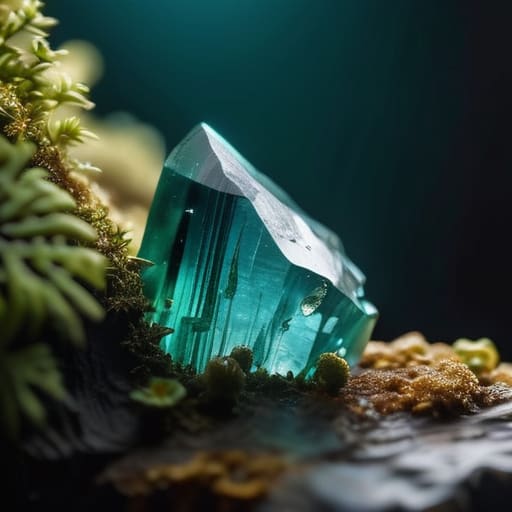
I spent six years hunched over a microscope in a grading lab, staring at stones until my eyes felt like they were full of sand. I’ve seen enough “miracle” stones to know that most of the marketing around teal gemstones and where the colour comes from is pure nonsense. People will try to sell you a piece of glass or a heavily treated sapphire by claiming it has some mystical connection to the ocean, when in reality, it’s just a specific trace element playing hide-and-seek in a crystal lattice. To me, that shade of teal always looks like the North Sea right after a heavy storm—deep, moody, and slightly green under a grey sky.
I’m not here to sell you a dream or a spiritual awakening. My goal is to pull back the curtain and show you the actual mineralogy behind that specific blue-green hue. I’ll explain which elements—like copper or iron—are doing the heavy lifting, and I’ll give you the practical tools to spot a fake before you part with your money. Once you understand the chemistry and the hardness of what you’re holding, what you choose to do with it is entirely up to you.
The Truth About Teal Gemstones and Where the Colour Comes From
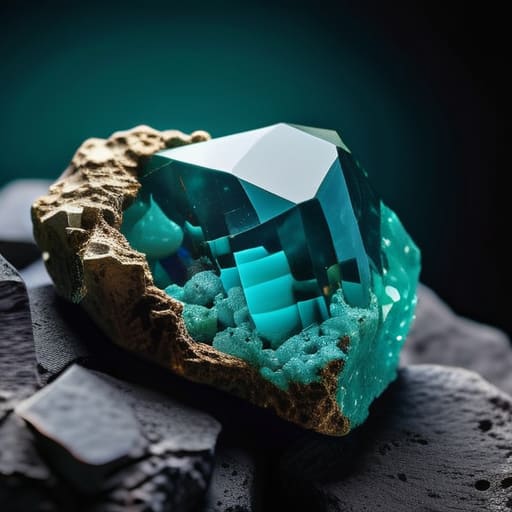
When you look at a stone that sits somewhere between blue and green, you aren’t looking at a single pigment. You’re looking at a chemical tug-of-war. In most cases, that specific shade comes down to trace elements in blue-green stones—tiny amounts of chromium, iron, or vanadium that get trapped in the crystal lattice as it grows. Think of it like adding a drop of ink to a bucket of water; it doesn’t change what the water is, but it fundamentally shifts how it catches the light.
Take tourmaline, for instance. It is a bit of a chameleon because of its complex mineral composition. Depending on which ions are present, you can get anything from a deep forest green to a bright cyan. If you see a stone with a particularly vibrant, electric teal, I’m often looking for apatite. Its color properties are quite distinct because the teal isn’t just a surface tint; it’s a result of how the crystal structure handles light absorption. It’s not magic, just a very specific, very beautiful bit of chemistry happening at a microscopic level.
What Gemstone Color Chemistry Really Tells You About a Stone
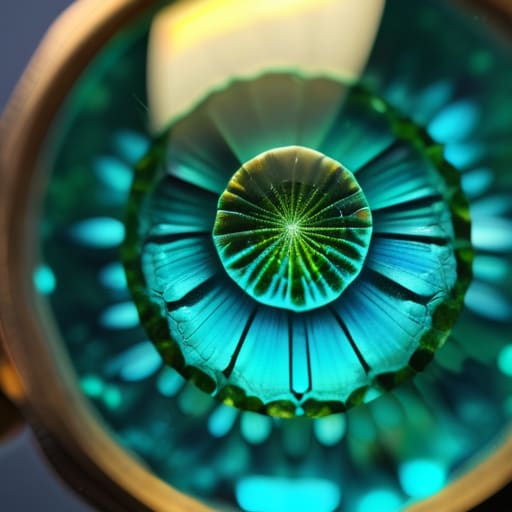
When I look through a loupe, I’m not just looking for pretty things; I’m looking for the fingerprints of the earth. To understand why a stone looks like a shallow fjord after a rainstorm, you have to look at the gemstone color chemistry happening at a molecular level. Most teal hues aren’t a single “ingredient” but a tug-of-war between different ions. You might have one element pushing the stone toward a deep sea blue, while another pulls it toward a bright, mossy green.
It often comes down to trace elements in blue-green stones. For instance, in a teal tourmaline, the color is frequently a result of iron or manganese interfering with the crystal structure. This isn’t magic; it’s just how certain atoms absorb specific wavelengths of light. If you see a stone that looks like a teal gemstone but the color feels “flat” or sits only on the surface, you’re likely looking at a treated piece rather than a natural variation in the mineral composition. Knowing this helps you realize that the color isn’t just a coating—it’s part of the stone’s very bones.
How Trace Elements in Blue Green Stones Create That Perfect Hue
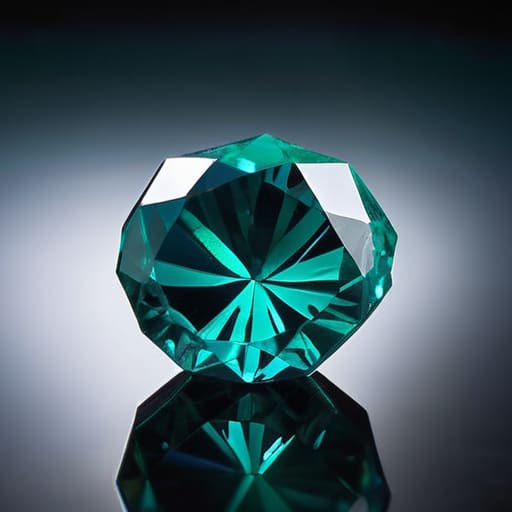
When you look at a teal stone, you aren’t just seeing a single pigment; you are seeing a tug-of-war between different atoms. In the world of gemstone color chemistry, teal happens when a mineral manages to absorb both the red and the yellow parts of the light spectrum, leaving only that cool, mid-range blue and green to reach your eye. It’s a delicate balance. If there is too much iron, the stone leans toward a muddy forest green; if there is too much copper or chromium, it pulls toward a sharp cyan.
Take tourmaline color variations, for example. One single crystal can shift from a deep sea-green to a bright peacock blue depending on how those tiny impurities are distributed through the lattice. You see something similar with the mineral composition of teal gems like apatite. In apatite, the teal shade is often quite vivid, looking like the surface of a fjord right after a heavy rain—that deep, saturated color that feels heavy and cool. It isn’t magic; it’s just the way specific ions sit inside the crystal structure, dictating exactly which wavelengths of light get swallowed and which get reflected back to you.
Unmasking the Mineral Composition of Teal Gems in the Wild
When you’re looking at a piece of rough material in the field, you aren’t just looking for a pretty shade; you are looking for the specific mineral recipe that created it. For me, a true teal hue often looks like the shallow water at a fjord right after a heavy rain—deep, saturated, and slightly moody. This specific color isn’t a single thing. It’s often the result of tourmaline color variations, where the crystal structure itself is hosting a cocktail of elements. You might find a stone that looks like a Caribbean lagoon, but once you check the hardness and the way it splits light, you realize it’s actually a variety of apatite.
The mineral composition of teal gems is rarely simple. In a lab setting, I’ve spent hours trying to distinguish between a high-end tourmaline and a more common apatite by looking at how they handle light. Apatite has those lovely apatite teal color properties that can fool the untrained eye, but it lacks the structural durability of its more expensive cousins. It’s all about how those trace elements sit within the lattice, deciding whether the stone looks like a bright sea-foam or a dark, stormy teal.
Why Light Absorption in Gemstones Changes Everything You See
When you hold a stone up to the light, you aren’t just seeing the surface; you are watching a tiny, silent battle between photons and atoms. This is where light absorption in gemstones becomes the real storyteller. As light enters the crystal lattice, certain wavelengths are swallowed up by the chemical impurities we talked about earlier, while others are allowed to pass through or bounce back to your eye. If a stone absorbs most of the red and yellow light, you’re left with that specific, deep teal. It’s like looking at the North Sea through a thick pane of glass—the color isn’t just a coating; it’s a result of what the water refuses to let through.
This physics is why a stone can look like a dull pebble in a dark shop but suddenly transform into a vibrant teal under a jeweler’s lamp. Depending on the mineral composition of teal gems, the way they interact with light can change drastically based on the angle of your head or the quality of the bulb. I’ve spent hours under a loupe watching tourmaline color variations shift from a murky forest green to a bright, sea-foam teal just by tilting the stone a fraction of a millimeter. It isn’t magic; it’s just the light finding its way through the gaps in the atoms.
Comparing Apatite Teal Color Properties to the Real Deal
When you’re looking at a stone that looks like the sea after a storm, you’re often looking at apatite. It has this incredible, electric teal that looks like a shallow lagoon under a midday sun. But because apatite is relatively soft—about a 5 on the Mohs scale—it’s frequently swapped for more durable stones. One thing I always check is how the color reacts to light. While apatite has a certain internal glow due to how light travels through its crystal structure, it can look a bit “flat” compared to high-end tourmaline.
If you’re trying to distinguish them, look closely at the tourmaline color variations. True teal tourmaline tends to have a depth that feels more structural, whereas apatite can sometimes look a bit more saturated on the surface, almost like it was painted on. I’ve spent hours under a loupe seeing how different trace elements in blue-green stones change the way they hold that hue. If the stone looks almost too perfect and lacks the characteristic cleavage planes of apatite, you might be holding something else entirely.
Decoding Tourmaline Color Variations Before You Hand Over Cash
If you’re looking at a teal stone and thinking it might be tourmaline, you’re likely looking at something beautiful but potentially tricky. Tourmaline is a bit of a shapeshifter. Because its tourmaline color variations depend so heavily on which specific ions are sitting in the crystal lattice, you can find everything from deep forest greens to bright, tropical cyans. When I look at a teal tourmaline under a loupe, I’m looking for that specific, saturated depth—the kind of color that looks like the North Sea right after a heavy rain.
The danger is that many sellers will try to pass off cheaper, more common minerals as high-end elbaite tourmaline. You have to watch for how the color sits within the stone. In a true tourmaline, the hue feels integrated into the mineral composition of teal gems, not just sitting on the surface like a dye. If the color looks “painted on” or lacks that subtle, shifting quality when you tilt it under a light, you might be looking at a treated stone or a different mineral entirely.
The reality of the hue
When you see that specific teal, don’t look for magic; look for the chemistry. It’s usually just a bit of copper or iron playing hide-and-seek inside a crystal lattice, creating a color that looks like the North Sea just after a heavy rain.
Dagny Solheim
Beyond the Hue
At the end of the day, that specific shade of teal—the color of the North Sea just after a heavy rain—isn’t magic; it’s just a very precise dance of chemistry. We’ve looked at how trace elements like iron or chromium get lodged in the crystal lattice of tourmaline or apatite, and how the way light bounces through those structures determines whether you’re holding a genuine treasure or a glass imitation. Whether you are looking for the specific absorption patterns of a high-end gem or just trying to ensure you aren’t being sold a synthetic substitute, remember that the science is your best defense. Understanding the mineral composition is what separates a collector from a victim of a clever sales pitch.
Once you’ve done the work and confirmed that the stone in your hand is exactly what the seller claims it to be, the technical side of things is finished. You can go back to appreciating the way the light hits the facets or how the color shifts when you move it under a lamp. I don’t care if you keep it in a velvet-lined box for investment or wear it every day while you’re out for a cold swim; the history of the stone is written in its atoms, and that’s a fact regardless of how you choose to feel about it. Enjoy the hunt, but trust the chemistry more than the hype.
