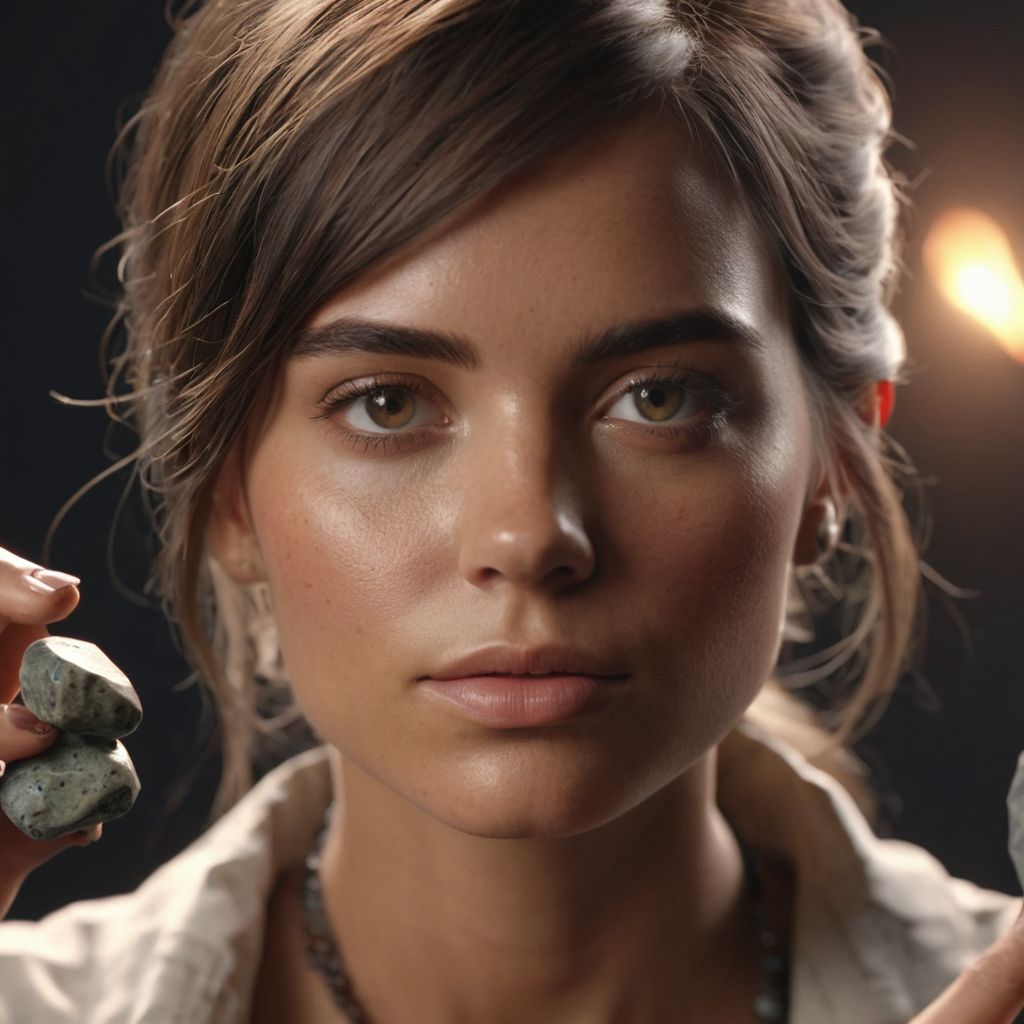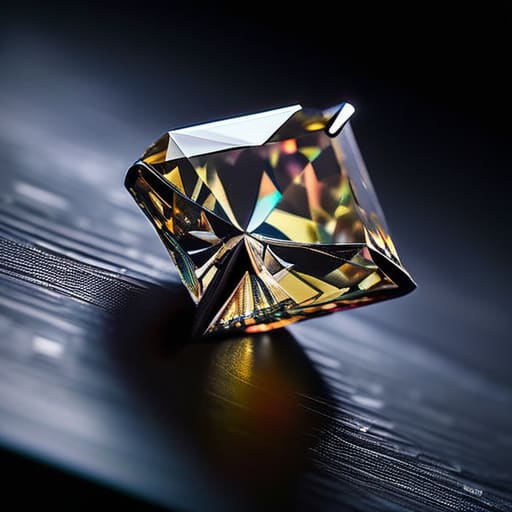
I spent six years hunched over a microscope in a grading lab, staring at stones until my eyes felt like they were filled with sand. One thing I learned quickly is that the jewelry industry loves to wrap a simple piece of carbon in layers of unnecessary mystery to justify a higher price tag. You’ll hear people talk about the princess cut as if it were some ancient, mystical discovery, but the truth about where the princess cut came from is much more grounded in industrial ingenuity than royal decree. It wasn’t a gift from a crown; it was a clever solution to a very practical problem of geometry and waste.
I’m not here to sell you on the “magic” of a specific shape, nor am I going to lecture you on the spiritual vibrations of a diamond. My goal is to strip away the marketing fluff and tell you the actual history of how this cut was developed and why it looks the way it does. I’ll show you how to distinguish a well-proportioned stone from one that’s been poorly executed, and once you understand the science behind the sparkle, what you decide to do with it is entirely up to you.
The Unvarnished Truth About Where the Princess Cut Came From
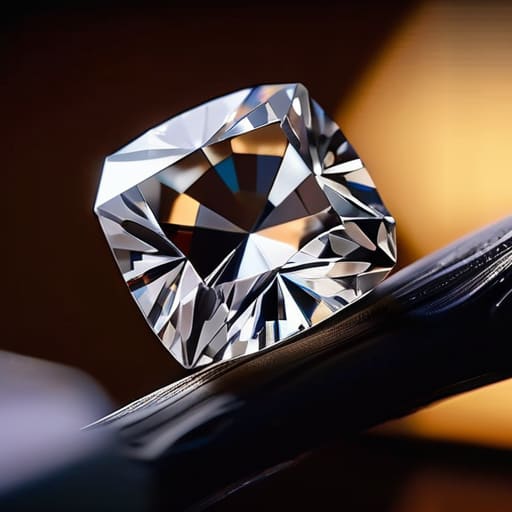
The truth is, the princess cut didn’t just appear out of thin air like a magic trick. It was born from a specific shift in diamond facet technology history during the late 1960s and early 70s. Before this, if you wanted a square stone, you were usually looking at a cushion cut—something much softer, more pillowy, and less precise. As cutting tools became more sophisticated, we stopped trying to follow the natural, rounded contours of the rough stone and started leaning into the math. We wanted sharp corners and maximum light return, which led to the development of the square brilliant cut origins we recognize today.
It wasn’t just about aesthetics, though. The evolution of diamond shapes was driven by a desire to make a stone look as “brilliant” as possible from every angle. The princess cut was designed to mimic the fire of a round brilliant but within a modern, architectural frame. It’s a geometry-first approach to gemology. While some people claim it has ancient roots, it’s actually a very modern child of precision engineering, designed to satisfy a specific craving for clean lines and intense sparkle.
Tracing the Evolution of Diamond Shapes Through the Ages
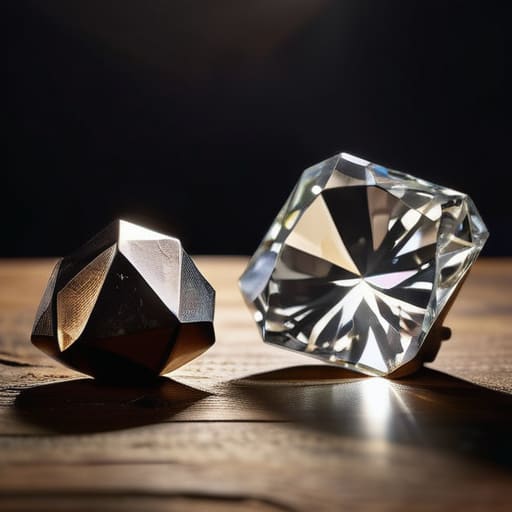
Before we got to the sharp, geometric edges of the princess cut, diamond cutting was a bit of a guessing game. For centuries, cutters were working with limited tools, mostly focusing on the old mine or rose cuts that prioritized weight over light return. They weren’t trying to maximize sparkle in the way we do now; they were just trying to make the most of a rough stone without shattering it. The evolution of diamond shapes was essentially a slow crawl from chunky, rounded pebbles toward the precision we see today.
It wasn’t until the development of advanced diamond facet technology history that things really shifted. Once we learned how to mathematically manipulate light, the industry moved toward the round brilliant, which became the gold standard for a reason. But even that was a bit of a monopoly on style. People eventually wanted something that felt more architectural and modern. That desire for a different silhouette is exactly what drove the square brilliant cut origins, moving us away from the soft curves of the past and toward the crisp, intentional lines that define the princess cut today.
Beyond the Facets a Modern Brilliant Cut History
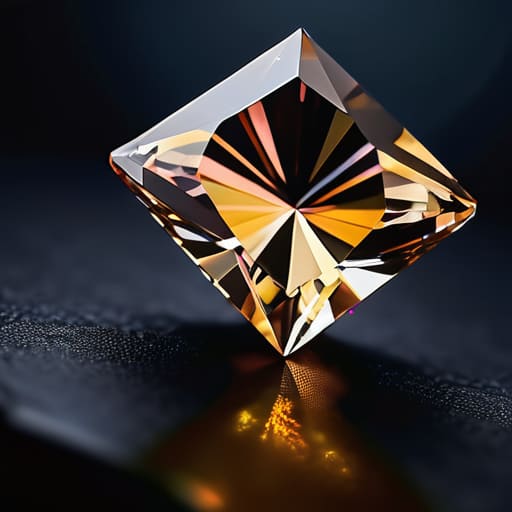
By the time we reached the late 20th century, the way we looked at diamonds had shifted from mere shape to pure light performance. We stopped just looking at the silhouette and started obsessing over how the light bounced inside the stone. This era of diamond facet technology history is what really paved the way for the princess cut to move from a niche idea to a staple in jewelry stores. It wasn’t just about making a square; it was about using math to ensure that the light didn’t leak out of the bottom of the stone like water through a sieve.
When the princess cut finally hit the mainstream, it arrived alongside a much stricter set of rules. Instead of just being a “square diamond,” it had to meet specific GIA princess cut standards to ensure the sparkle actually lived up to the hype. This precision is what separates a high-quality stone from something that looks dull and lifeless under a jeweler’s loupe. Today, it remains one of the most popular engagement ring cuts because it manages to feel both modern and incredibly sharp, much like the edges of a piece of granite after a heavy rain.
The Technical Soul of the Square Brilliant Cut Origins
To understand why the princess cut looks the way it does, you have to look past the romantic stories and look at the math. We aren’t just talking about a pretty shape; we are talking about the diamond facet technology history that allowed us to finally master the square. Before we perfected this, cutting a square stone was a gamble. If the angles were off by even a fraction of a degree, the light wouldn’t bounce back to your eye; it would leak out the bottom like water through a sieve.
The real breakthrough in the square brilliant cut origins came when cutters figured out how to balance the pavilion angles to maximize “scintillation”—that lively sparkle you see when the stone moves. It wasn’t enough to just make it square; it had to perform. This is why modern GIA princess cut standards are so strict about depth and table percentages. When you see a stone that looks flat or “dead,” it’s usually because the geometry is fighting itself. Once the math was settled, these stones became some of the most popular engagement ring cuts in the world, purely because they managed to capture light more aggressively than almost any other shape.
How Diamond Facet Technology History Changed the Game
It wasn’t just about the shape; it was about the math. For a long time, cutting a diamond was as much an art of intuition as it was a science, often leaving a lot of light to leak out the bottom of the stone. But as we moved into the era of precision, the diamond facet technology history shifted from guesswork to high-stakes geometry. We stopped just trying to make a stone look pretty and started trying to master how light bounces inside the crystal lattice.
When you look at the modern brilliant cut history, you see a move toward total control. We learned how to manipulate the angles so that light enters through the top and reflects back to the eye, rather than disappearing into the dark. This technical leap is what eventually allowed for the princess cut to move from a niche idea to one of the most popular engagement ring cuts in the world. Once we could calculate exactly how to facet a square without losing that essential fire, the game changed forever.
Why Gia Princess Cut Standards Matter to Your Pocket
When you’re looking at a princess cut, you aren’t just buying a shape; you’re buying a specific arrangement of light. Because the square brilliant cut origins are rooted in maximizing fire within a geometric frame, even a tiny mistake in the proportions can make a stone look dull or “dead.” This is where the GIA standards come in. They aren’t just bureaucrats with magnifying glasses; they are the reason you can trust that the stone in the box actually matches the paperwork. Without these benchmarks, you might think you’re buying a high-performance gem, only to realize later that the facets aren’t aligned to catch the light properly.
I’ve spent enough hours in a lab to know that a “good” cut on paper can still look like a piece of cloudy glass if the proportions are off. Following strict GIA princess cut standards ensures that the diamond’s symmetry and polish are actually doing their job. It protects your investment from being swallowed up by poor craftsmanship. At the end of the day, whether you want the stone for its sparkle or its symbolism, you deserve to know exactly what you’re paying for.
Sorting Popular Engagement Ring Cuts From Real Masterpieces
When you’re standing at a jeweler’s counter, it’s easy to get overwhelmed by the sheer variety of popular engagement ring cuts. I’ve spent years looking through a loupe, and I can tell you that the difference between a masterpiece and a mediocre stone often comes down to how the light behaves. A true princess cut should have a sharp, crisp geometry; if the corners look rounded or “soft,” you’re likely looking at a stone that wasn’t cut with precision. It’s like the difference between a jagged piece of granite from the coast and a smooth river stone—one has intent, the other is just shaped by chance.
To separate the winners from the losers, you have to look past the initial sparkle. While the modern brilliant cut history has given us incredible tools for light return, a poorly cut square stone will often have “dead spots” where the light simply disappears into the center. I always check the corners first. If they aren’t sharp, the stone won’t hold its shape well in a setting. You want a stone that looks bright and lively, almost like wet quartz catching the morning sun, rather than something that looks dull or milky.
The Reality of the Cut
People want to believe the princess cut was some ancient, mystical discovery, but it’s actually just a triumph of modern math and better saws. It’s a square born from a desire to stop wasting the corners of a stone, and while the history is technical, the result is something you can actually hold and love.
Dagny Solheim
The Final Word on the Princess Cut
We have covered a lot of ground, from the technical evolution of facet technology to the specific GIA standards that keep you from buying a stone with a “bow-tie” effect that makes it look dead in the center. We’ve looked at how the princess cut emerged not as some ancient relic, but as a calculated response to modern machinery and a desire for a sharper, more architectural aesthetic. Understanding that this cut is a product of both mathematical precision and a shift in how we value light means you can walk into a jeweler’s shop with your eyes wide open. You now know that a princess cut isn’t just a square; it is a complex arrangement of carbon that requires expert craftsmanship to truly sing.
At the end of the day, whether you value a diamond for its geological rarity, its historical lineage, or simply because it catches the light like a piece of sea glass pulled from a cold tide, that is your prerogative. I am here to tell you what the stone is and how it was made, but the emotional connection you feel when you see it is something no loupe or grading report can ever quantify. A diamond is just a highly organized arrangement of atoms, but if that arrangement brings you joy or marks a milestone in your life, then it has done its job. Buy what you love, just make sure you know exactly what you are buying.