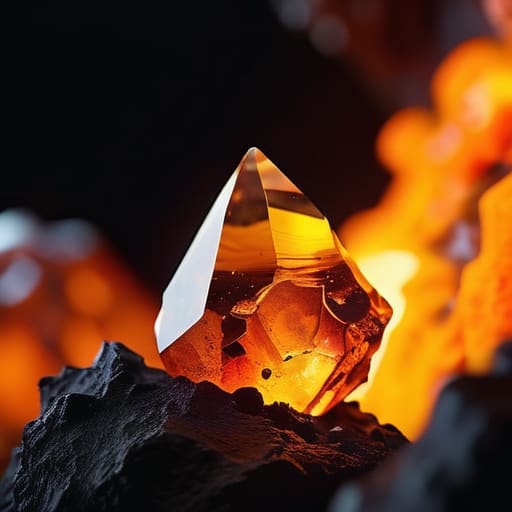
I spent six years hunched over a bench in a grading lab, and if there is one thing that gets under my skin, it’s the way people try to sell “miracle” stones with more mysticism than mineralogy. You’ll see ads claiming certain gems hold celestial energy, but they skip right over the physical reality of the calcium titanium silicate sitting in your palm. When you look at sphene, you aren’t looking at a magic charm; you are looking at a complex crystal structure that produces a dispersive flash more intense than a diamond. People often get caught up in the hype, but they rarely talk about the actual mechanics of sphene and the fire that makes it hard to cut. It’s a stone that demands respect from the lapidary, not because it’s “magical,” but because its internal physics are incredibly temperamental.
I’m not here to sell you on cosmic vibrations or overpriced nonsense. My goal is to pull back the curtain on the actual chemistry and the physical grit of this gemstone. I’ll explain why that brilliant, high-dispersion fire is a direct result of its refractive index and why that same trait makes it such a nightmare for a cutter to handle without shattering it. Once you understand the composition, you can decide if you want to wear it, collect it, or just admire its geometry.
Understanding Sphene and the Fire That Makes It Hard to Cut
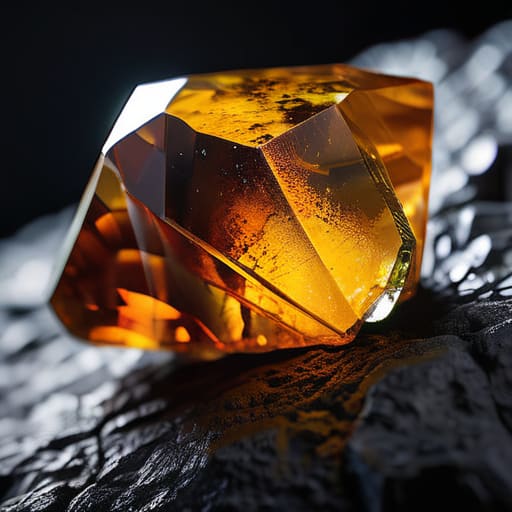
Sphene, or titanite as we call it in the lab, isn’t your typical stable gemstone. It’s a calcium titanium silicate, and that specific chemistry is exactly why it behaves so erratically under a loupe. The real magic—and the real headache—comes from its sphene dispersion and fire. While a diamond throws light around in a controlled, predictable way, sphene scatters it with a frantic, almost liquid intensity. It looks like sunlight hitting a shallow tide pool on a granite beach; all those flashes of orange and gold are scattered everywhere.
But that brilliance comes at a price. Because of the way the crystal lattice is built, you’re dealing with significant lapidary challenges with titanite. It has distinct cleavage planes that act like built-in fault lines. If a cutter applies too much pressure or hits an angle wrong, the stone won’t just chip; it will split right down the middle. You’re constantly balancing the desire for maximum light return against the very real risk of turning a beautiful specimen into a pile of expensive dust.
Key Things to Know
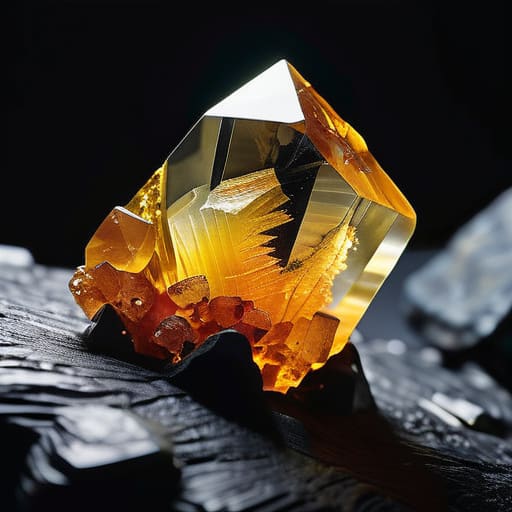
First, you need to know that sphene—or titanite, if we’re being formal—is a bit of a contradiction. It has a high titanite refractive index, which is why it catches the light so aggressively. When you hold a good specimen, the color looks like honey that’s just been pulled from a jar, thick and amber-gold. But that same light-bending magic is what makes it a nightmare for a cutter. Because of the way the light bounces around inside, you get this incredible sphene dispersion and fire that rivals a diamond, but it comes with a side of structural instability.
The real trouble lies in the physics of the stone itself. Titanite has distinct cleavage planes in sphene crystals that act like built-in fault lines. If a lapidary applies too much pressure or hits a facet at the wrong angle, the stone won’t just chip; it can split right down the middle. It’s a high-stakes game of precision. You’re essentially trying to tame a flash of lightning that wants to shatter the moment you touch it.
Practical Tips and Steps
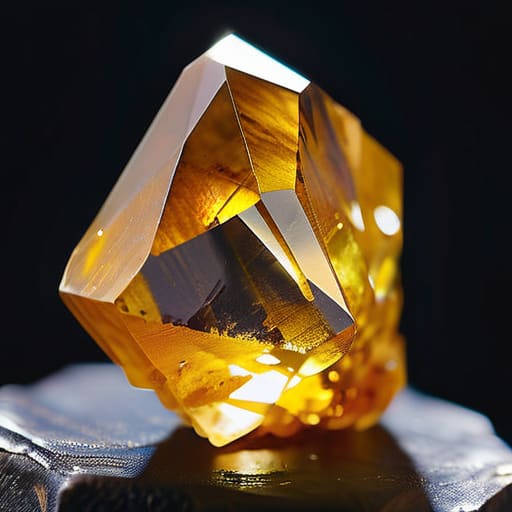
If you’re planning to take a rough piece of titanite to the bench, don’t expect a smooth ride. The first thing you need to respect is the geometry. Unlike a diamond, which is relatively forgiving, sphene has distinct cleavage planes in sphene crystals that can cause the stone to split unexpectedly if you apply too much pressure during grinding. I’ve seen many a beautiful specimen turn into useless dust because the cutter ignored the internal structure. You have to work with the stone’s natural tendencies, not against them, keeping your angles shallow and your movements steady.
Once you’ve managed to navigate those structural risks, you’re left dealing with the light. The sphene dispersion and fire are what make the stone worth the headache, but they are also what make it tricky to polish. Because the refractive index is so high, the light bounces around internally in a way that can hide inclusions or reveal flaws you didn’t see under the loupe. My advice? Take your time with the final polish. If you rush the facets, you’ll kill the very “wet look” brilliance that makes this mineral so captivating.
Common Mistakes to Avoid
The first mistake I see most often is treating sphene like a sapphire or a zircon. People see that flash and assume it’s a sturdy, reliable stone, but you can’t approach it with that mindset. Because of the specific cleavage planes in sphene crystals, the stone is prone to splitting if you apply uneven pressure during a facet or even a heavy polish. I’ve seen too many beautiful specimens ruined because someone tried to rush the process, forgetting that this mineral demands a gentle, steady hand.
Another trap is getting blinded by the sparkle and ignoring the physics. You might find a stone with incredible light play, but you have to remember that gemstone hardness vs brilliance is a constant tug-of-war here. A stone can look like a handful of spilled sunlight, but if its structural integrity is compromised, that fire won’t matter once it cracks in a setting. Don’t let the high titanite refractive index trick you into thinking the stone is tougher than it actually is; it’s a high-performance gem, but it’s also a temperamental one.
Final Thoughts
At the end of the day, titanite is a bit of a contradiction. It has this incredible, dancing light that makes most other stones look dull by comparison, but it demands respect from anyone holding a saw or a lapidary wheel. You can’t just rush it. If you ignore the cleavage planes in sphene crystals, you’re going to end up with a handful of expensive dust instead of a polished gem. It’s a stone that requires patience, much like waiting for the North Sea to settle after a storm.
Whether you are a collector looking for a piece with high sphene dispersion and fire, or a jeweler trying to figure out if a stone is worth the risk, remember that the chemistry is what dictates the beauty. The high refractive index is what gives it that “wet” look—like sunlight hitting a tide pool—but that same physics is what makes it so temperamental under a lens. I don’t care if you keep your stones in a velvet box or use them as a focal point for meditation; just make sure you know exactly what you’re holding before you try to shape it.
The Gemmologist's Reality
Sphene has this flash—a color that looks like sunlight hitting a shallow tide pool—but that same internal fire is exactly what makes it such a temperamental beast under a cutter’s wheel. You aren’t just fighting the mineral’s hardness; you’re fighting its soul.
Dagny Solheim
One Last Look at the Spark
At the end of the day, sphene is a bit of a contradiction. It has that incredible, dispersive fire—the kind of flash that looks like sunlight hitting a shallow tide pool—but it hides a fragile, complex structure that demands respect. You have to remember that its low hardness and tricky cleavage mean you can’t just treat it like a diamond or a sapphire. If you’re looking to buy one, check the clarity and be wary of anything that looks too “perfect” to be natural, but most importantly, make sure your cutter knows exactly what they are dealing with. If they approach it with too much force, you’ll end up with a pile of expensive dust instead of a gem.
Whether you end up wearing a sphene in a ring or just keeping a rough specimen on your desk to watch the light dance through it, there is something special about a stone that refuses to be easy. It isn’t a perfect mineral by geological standards, but its quirks are exactly what make it captivating. I’ve spent years looking through a loupe, and I can tell you that the stones that require a bit of extra care are usually the ones that hold your attention the longest. Go ahead and find your piece; just handle it with the care it deserves.
