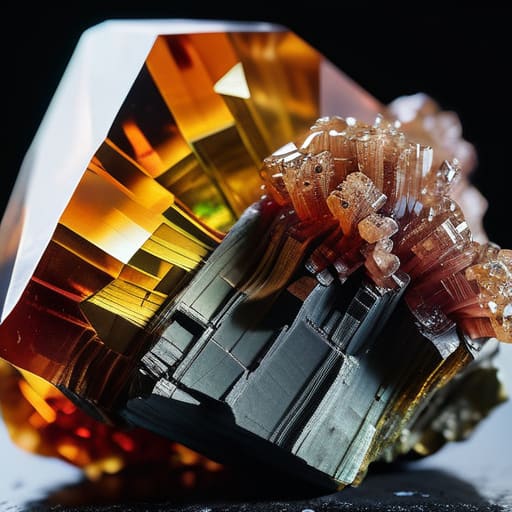
I spent six years hunched over a microscope in a grading lab, and if there is one thing that drives me mad, it’s watching people pay a premium for “mystical energy” when they should be looking at the actual mineralogy. You’ll see shops online claiming that andalusite and its two colours at once is a sign of a shifting spiritual aura, as if the stone is trying to tell you a secret about your soul. It isn’t. It’s just pleochroism—a physical property where light hits the crystal lattice and splits. It’s not magic; it’s just really interesting physics that makes the stone look like a piece of sea glass that’s been soaked in tea and moss.
I’m not here to sell you a miracle or a vibration. My goal is to strip away the marketing fluff and tell you exactly what this silicate is made of and why it behaves that way. I’ll show you how to spot the difference between a genuine specimen and a dyed piece of glass, so you don’t get burned. Once you understand the real science behind the color, you can decide if you want to wear it in a ring or just keep it on your desk.
Understanding Andalusite and Its Two Colours at Once
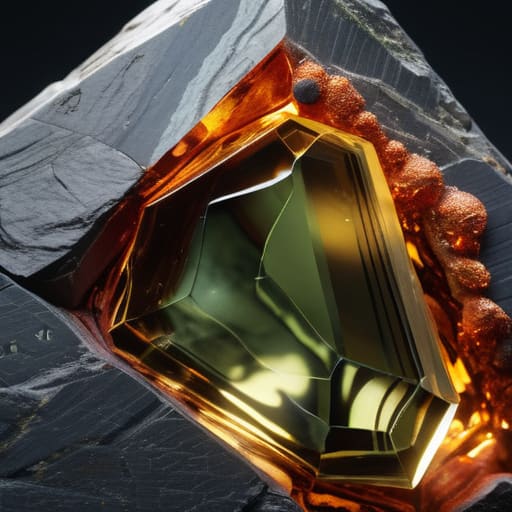
To understand why this stone behaves the way it does, you have to look at the andalusite crystal structure. It isn’t just a random arrangement of atoms; it’s a specific, slightly skewed lattice that forces light to interact with the mineral in a very particular way. When light enters the stone, it doesn’t all travel the same path. Some rays get absorbed differently depending on which direction they are moving through the crystal.
This is what we call pleochroism in gemstones, and in andalusite, it is particularly dramatic. If you hold a faceted stone under a loupe and rotate it, you’ll see the color shift. One angle might show a muddy, mossy green—the color of a fjord after a heavy rain—while turning it just a fraction might reveal a warm, burnt orange, like a piece of kelp drying on a sun-warmed rock. It isn’t “changing” color like an alexandrite might; it is simply showing you different sides of its true identity. This optical phenomenon is the most reliable way to verify you are holding the real deal and not a synthetic imitation.
Key Things to Know
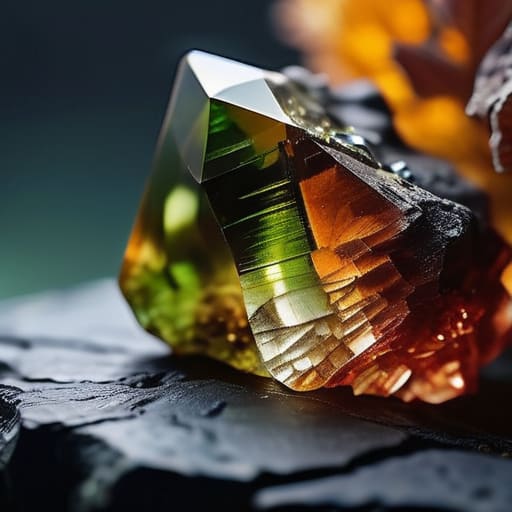
First, let’s talk about what you’re actually looking at under the loupe. Andalusite isn’t just “multi-colored” by accident; it’s a result of its specific andalusite crystal structure. Because of how the atoms are arranged, the stone exhibits strong pleochroism, which is just a fancy way of saying it absorbs light differently depending on which angle you’re looking from. One moment it might look like a deep, mossy green—the kind of dark green you see on seaweed pulled straight from a freezing fjord—and the next, it shifts into a warm, brownish-red.
When you’re out there identifying rare minerals or sorting through a tray of rough, don’t be fooled by stones that look too uniform. A true specimen should show that distinct split personality. If a stone stays exactly the same color no matter how you tilt it, you aren’t looking at the real deal. It’s this specific gemology of dichroic stones that makes them so much more interesting than a standard sapphire or garnet. Once you understand that the color shift is baked into the chemistry, you stop hunting for perfection and start looking for character.
Practical Tips and Steps
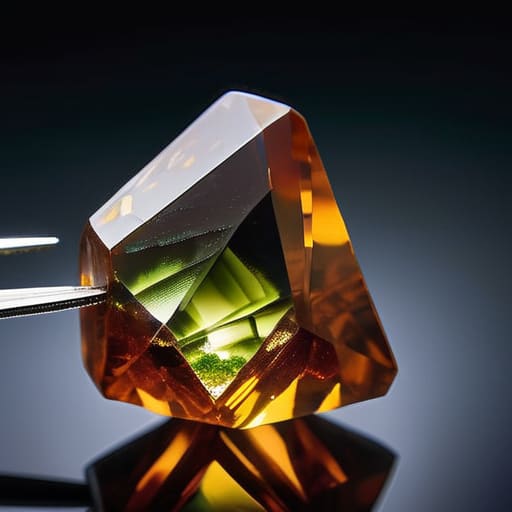
If you’re sitting there with a loupe and a stone you suspect is the real deal, start by rotating it slowly under a single light source. Because of the way the andalusite crystal structure is arranged, you shouldn’t see a uniform wash of color. Instead, look for that shift—it might look like a murky, mossy green from one angle and then flip to a rusty, burnt orange when you tilt it. This specific type of pleochroism in gemstones is your best friend; if the color stays exactly the same no matter how you turn it, you’re likely looking at glass or a synthetic simulant.
Don’t get discouraged if it takes a few minutes of fidgeting. I spent years in a lab where my eyes would ache just trying to catch a specific shade of teal in a dark stone. When you’re identifying rare minerals, you have to trust your eyes more than the seller’s hype. Check the inclusions too. Real andalusite often has tiny, needle-like crystals trapped inside, looking a bit like frost on a windowpane. If the stone is too “perfectly” clear and the color is static, walk away.
Common Mistakes to Avoid
The biggest mistake I see is people mistaking the stone’s natural character for a defect. Because andalusite shows two colors at once, a novice might look at a specimen and think the color is “muddy” or unevenly distributed. It isn’t. That’s just the gemology of dichroic stones at work; the light is simply hitting the crystal lattice differently depending on your angle. If you see a stone that stays exactly the same shade no matter how you turn it under the lamp, you aren’t looking at a high-quality andalusite—you’re likely looking at a piece of colored glass or a synthetic imitation.
Another pitfall is overpaying for “color shifting” when you should be looking at clarity. Some sellers try to hype up the gemstone color shifting properties as if the stone is changing its chemical makeup, but it’s purely an optical trick. Don’t get so distracted by the way the hue dances that you forget to check for inclusions. A stone can have beautiful pleochroism, but if it’s riddled with cracks that make it too fragile for a ring, the color won’t matter much. Always check the structural integrity before you fall in love with the light.
Final Thoughts
At the end of the day, whether you are looking at a piece of andalusite because you want to wear it in a ring or because you just like the way it looks on a shelf, the science doesn’t change. It is a complex silicate, and that specific andalusite crystal structure is exactly what allows it to play these tricks on your eyes. I’ve spent enough hours hunched over a microscope to know that seeing those shifting hues—that deep, mossy green turning into a rusty orange—is one of the most rewarding parts of the job.
Don’t let the complexity of its pleochroism in gemstones intimidate you. It isn’t magic; it’s just how light interacts with the mineral’s internal geometry. If you can spot the difference between a genuine stone and a synthetic imitation, you’ve already done the hard part. Once you have a real specimen in your hand, you can treat it as a geological marvel or a lucky charm. I don’t care which one you choose, as long as you know exactly what you’re holding.
The trick of the light
Andalusite doesn’t just sit there; it shifts. One moment it’s the muddy green of a fjord after a storm, and the next it’s a sharp, brownish-red, like a piece of kelp drying on a rock. That’s pleochroism at work, and if a stone doesn’t show you both faces, it isn’t the real thing.
Dagny Solheim
A Final Look at the Stone
At the end of the day, andalusite is just a silicate mineral with a bit of a personality. We’ve looked at how that pleochroism works—the way it shifts from a mossy green to a rusty, burnt orange, like a beach pebble pulled straight from the North Sea—and we’ve covered how to check for those inclusions that prove it’s the real deal. Remember that if a stone looks too perfect or the color is too static, it’s probably not the complex, shifting gem we’re talking about here. Keep your eyes on the composition and the way light plays through the crystal structure, and you won’t be fooled by a glass imitation or a poorly treated substitute.
Whether you want to hold this stone because you find its geological history fascinating, or because you feel it brings a sense of balance to your life, that is entirely up to you. I don’t care much for the claims of “energy,” but I do care about the truth of the matter. There is something deeply grounding about holding a piece of the earth that refuses to be just one thing at a time. Go out, find your stones, and trust your own eyes more than a salesperson’s pitch. After all, the best part of collecting is the moment you realize you actually know what you’re looking at.
