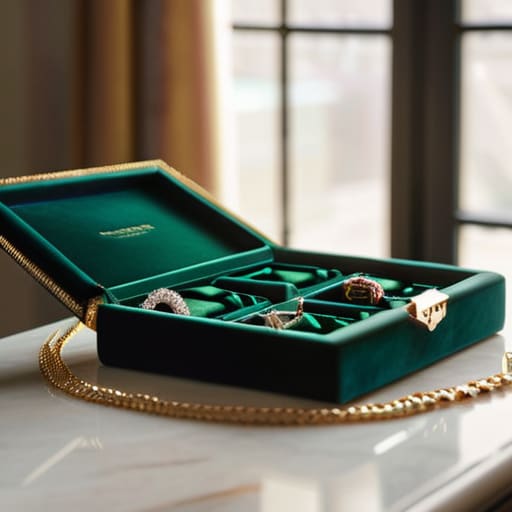
I spent six years in a grading lab, hunched over a microscope until my neck felt like it was made of granite, and if there is one thing I learned, it’s that stones are surprisingly aggressive. You don’t need a velvet-lined, gold-plated vault to keep your collection safe, no matter what the high-end boutiques want you to believe. Most people think they need expensive gadgets, but the real issue is much simpler: physics. If you aren’t careful with storing gemstone jewellery so stones do not scratch each other, a hard sapphire will treat a soft opal like a piece of sandpaper. I’ve seen beautiful, milky stones turned into a mess of dull scuffs just because they were tossed into a single, crowded tray at the end of the night.
I’m not here to sell you a lifestyle or a sense of “energy” through your trinkets; I’m here to talk about Mohs hardness scales and practical reality. I’ll show you which stones are tough enough to live together and which ones need their own separate little corners. I’ll give you the straight facts on how to organize your pieces so you don’t end up with permanent surface damage that no amount of polishing can fix.
Understanding Storing Gemstone Jewellery So Stones Do Not Scratch Each Othe
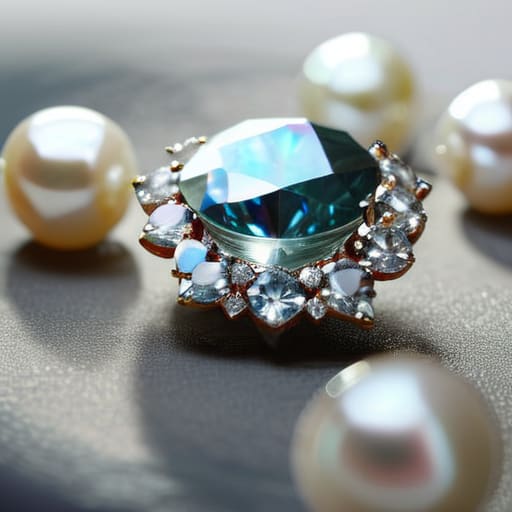
To understand why your rings and necklaces shouldn’t live in a pile, you have to look at the Mohs scale of mineral hardness. In the lab, I spent years looking at how different structures react to pressure. It’s simple math: if one stone has a higher rating than the one next to it, it will eventually leave a permanent scratch. A diamond is a bully; it doesn’t care if it’s sitting next to a pearl or an emerald, it will mark it if they rub together.
Think of it like this: some stones are as tough as the granite on the Norwegian coast, while others are as delicate as a bruised peach. If you aren’t careful, you’ll end up preventing gemstone abrasions only to realize you’ve actually caused them through neglect. You don’t need a high-tech vault, but you do need to respect the physics of the minerals. Whether you use individual gemstone compartments or just a few separate little bags, the goal is to make sure the hard stuff isn’t constantly grinding against the soft stuff.
Key Things to Know
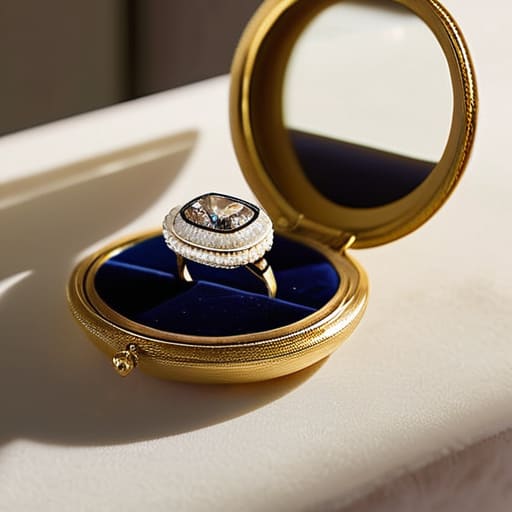
First, you have to understand the math of it. Everything comes down to the Mohs scale of mineral hardness, which is just a way of ranking how much a mineral can resist being scratched by another. If you toss a diamond ring into a bowl with some pearls, the diamond is going to win that fight every single time, leaving the pearls looking cloudy and dull. I spent years looking through a loupe at stones that had been “loved” into oblivion simply because they were living in the same box.
You don’t need a high-tech vault, but you do need some basic jewelry organization solutions that respect these differences. I’m a fan of using soft cloth jewelry pouches for anything on the lower end of the hardness scale—think opals, turquoise, or pearls. They feel like silk and keep the surface from getting battered. For the harder stuff, even a simple organizer with individual gemstone compartments works wonders. It’s not about being precious; it’s just about making sure a sapphire doesn’t spend its life being sandblasted by a quartz ring.
Practical Tips and Steps
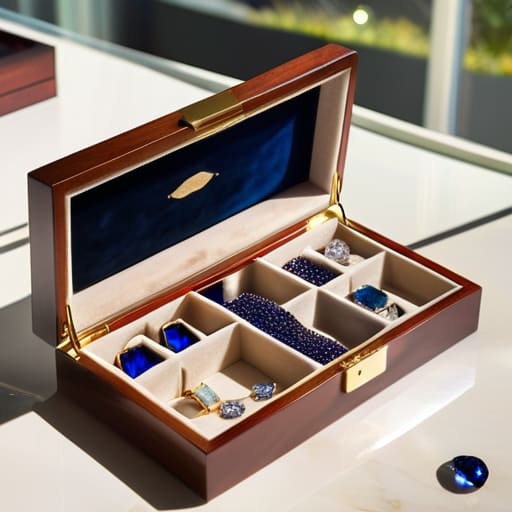
First, stop throwing everything into one big velvet tray. Even if your pieces look pretty together, a sapphire is much harder than an opal, and if they tumble around in a pile, that sapphire is going to leave its mark. I always suggest looking for jewelry organization solutions that offer individual gemstone compartments. If you can’t find a dedicated box, even small, soft cloth jewelry pouches work well to keep things separated. It’s a simple way of preventing gemstone abrasions without needing a massive budget.
When you are deciding what goes where, keep the Mohs scale of mineral hardness in the back of your mind. You don’t need to memorize the whole thing, but just remember that the harder stones—like diamonds or corundum—are the bullies in the drawer. Keep them away from the softer stuff like pearls or turquoise. If you’re worried about protecting precious stones from impact, look for a box with a padded lid. A little bit of cushion goes a long way in making sure your favorite ring doesn’t end up with a chip that looks like a jagged coastline.
Common Mistakes to Avoid
The biggest mistake I see is the “tangled heap” method. People buy a beautiful, expensive ring and then just toss it into a ceramic bowl or a velvet-lined tray alongside their earrings and necklaces. It looks fine on your dresser for a day, but eventually, that harder sapphire is going to find its way against a softer opal. If you aren’t using individual gemstone compartments, you’re essentially just waiting for a microscopic battle to happen. Even if they look fine to the naked eye, those tiny scuffs add up, and once a surface is clouded, you can’t just wish the clarity back.
Another trap is assuming that a “pretty box” is enough. I’ve seen people buy these elaborate wooden chests that look lovely, but if the interior isn’t designed for preventing gemstone abrasions, it’s just a fancy coffin for your jewelry. Don’t rely on a single large cushion for everything. If you aren’t using soft cloth jewelry pouches or dividers to keep different minerals from touching, you’re ignoring the reality of the Mohs scale. A diamond doesn’t care about your aesthetics; it will scratch almost anything else in that box if given the chance.
Final Thoughts
At the end of the day, you don’t need a laboratory setup to take care of your things, but a little bit of intention goes a long way. Whether you’re using a high-end velvet box or just tossing a few pieces into a drawer, remember that the Mohs scale of mineral hardness is the real boss here. A diamond doesn’t care about your sapphire, but that sapphire will certainly feel the sting if it spends the night pressed against it.
I’ve spent enough hours under a loupe to know that even the most beautiful stones can lose their luster if they’re treated like loose gravel. You don’t need expensive jewelry organization solutions to do this right; even something as simple as soft cloth jewelry pouches can stop a hard garnet from scuffing up a delicate pearl.
Ultimately, how you treat your collection is between you and the stones. I’m just here to remind you that they are physical objects with specific limits. If you give them a little bit of breathing room, they’ll stay as bright and clear as they were the day you found them.
The Hardness Reality
At the end of the day, a diamond doesn’t care about your velvet pouch; it only cares about the Mohs scale. If you toss a sapphire in with a pearl, the sapphire is going to win that fight every single time, leaving your pearl looking like it’s been dragged across wet, coarse sand.
Dagny Solheim
A Final Look at Your Collection
At the end of the day, protecting your jewelry comes down to respecting the Mohs scale. You don’t need to be a gemmologist to understand that a sapphire is going to win a fight against a pearl every single time. By separating your hard stones like diamonds and corundum from your softer ones like opals or turquoise, and using individual pouches or lined compartments, you’re essentially just preventing unnecessary friction. It isn’t about being precious or overly cautious; it’s about making sure the physical reality of the minerals doesn’t result in permanent surface damage that can’t be polished away.
I know some people see their jewelry as a spiritual tool and others see it as a financial investment, but to me, a stone is a piece of geological history that you happen to own. Whether you’re wearing a ring for luck or simply because the deep, teal blue reminded you of the North Sea after a storm, that stone deserves to stay intact. Take the extra ten seconds to put your pieces away properly. It won’t change the chemistry of the crystal, but it will ensure that the clarity and luster you fell in love with stays exactly as it was the day you found it.
