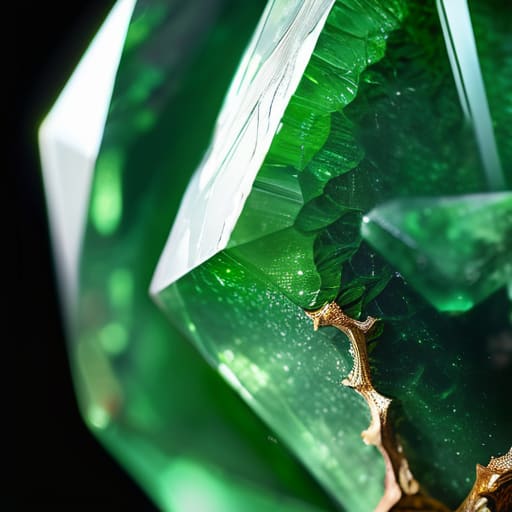
I spent six years hunched over a bench in a grading lab, staring through a loupe until my eyes felt like they’d been scrubbed with sand, and if there is one thing I’ve learned, it’s that people love to sell a fantasy. You’ll see shops online claiming that the light dancing through a stone is some kind of mystical energy, but when it comes to aventurine and the shimmer inside it, the reality is much more grounded—and honestly, much cooler. That glow isn’t magic; it’s a physical phenomenon called aventurescence, caused by tiny, flat plates of minerals like mica or hematite catching the light. It’s not a spiritual aura, it’s geology in action, and it’s far more interesting than the vague marketing fluff you usually find.
I’m not here to lecture you on metaphysics or tell you that a stone can change your luck, but I am going to tell you exactly what you’re holding. I’ll show you how to distinguish true quartz-based aventurine from the cheap, dyed glass fakes that flood the market, and I’ll explain why that shimmer looks like sea glass caught in a low tide. My goal is to give you the facts about the mineral, the chemistry of the sparkle, and the tools to spot a fraud. Once you know the truth about the stone, what you choose to do with it is entirely up to you.
The Truth About Aventurine and the Shimmer Inside It
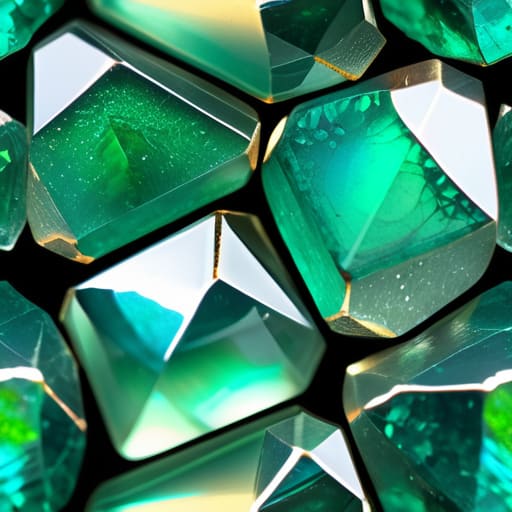
That shimmer isn’t magic; it’s just physics playing with light. When you look at a piece of green aventurine, you aren’t seeing a solid, uniform color. Instead, you’re seeing the aventurescence phenomenon explained by the way light bounces off tiny, plate-like mineral grains trapped inside the quartz. Most of the time, these are mica inclusions—specifically fuchsite—that have grown into the stone over millions of years. It’s a bit like looking at sunlight hitting the surface of the North Sea; the light doesn’t just sit there, it dances because of the way the water moves.
To understand how aventurine gets its sparkle, you have to look at the mineral composition. It’s essentially a variety of quartz, but those microscopic flakes of mica act like tiny, internal mirrors. When you tilt the stone under your lamp, the light hits these plates at just the right angle, creating that metallic, silk-like sheen. If you’re identifying gemstone inclusions under a loupe, you’ll see they aren’t just random spots; they are organized, shimmering layers. If the sparkle looks too perfect or uniform, like a glitter bomb went off inside a piece of glass, you’re likely looking at a synthetic imitation rather than a product of geological time.
Unmasking the Aventurescence Phenomenon Explained Simply
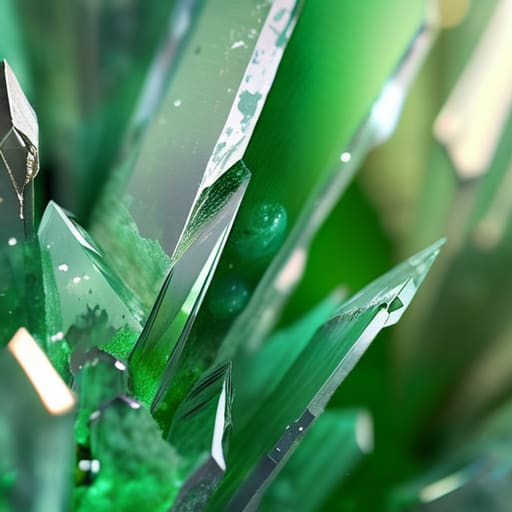
To understand why the stone catches the light, you have to look past the surface and into the mineral composition of aventurine. It isn’t a magical glow; it’s a mechanical one. Most green aventurine is essentially quartz, but it’s peppered with tiny, plate-like flakes of minerals—usually fuchsite or mica. When light hits these specific mica inclusions in green aventurine, they act like microscopic mirrors. Instead of the light passing straight through the crystal, it bounces off these internal layers, creating that scattered, glittering effect we call aventurescence.
Think of it like sunlight hitting a shallow tide pool over wet pebbles; the light doesn’t just sit there, it dances across every uneven surface. This is the aventurescence phenomenon explained in its simplest form: light reflecting off internal “impurities” that are actually part of the stone’s character. When you’re identifying gemstone inclusions under a loupe, you’ll see that this shimmer isn’t a surface coating or a trick of the cut. It is physically embedded within the quartz structure, making the sparkle part of the stone’s very bones.
Mica Inclusions in Green Aventurine the Real Engine
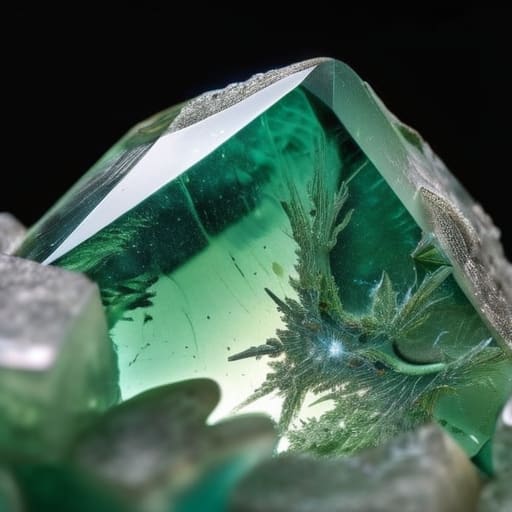
When you look at a piece of green aventurine under a loupe, you aren’t seeing a magical glow; you’re seeing the mineral composition of aventurine working its magic. The real engine behind that light is the presence of mica inclusions in green aventurine. These tiny, flat flakes of mica are trapped within the quartz matrix. Because they are oriented in specific directions, they catch the light like miniature mirrors. It’s not a surface shine, but a depth of light that feels like looking into a shallow tide pool just as the sun hits the water.
Understanding how aventurine gets its sparkle comes down to how these flakes reflect light back at your eye. This is the core of the aventurescence phenomenon explained through simple physics: light hits a mica plate, bounces, and creates that shimmering effect. If you see a stone that looks like it has glitter glued to the surface, or if the sparkle seems too uniform and “perfect,” you’re likely looking at a synthetic imitation. In a real specimen, the distribution of those mica bits is slightly irregular, much like the way pebbles settle on a seabed.
Decoding the Optical Properties of Quartz Crystals
To understand why that shimmer looks the way it does, you have to look past the color and focus on the optical properties of quartz crystals. Aventurine is essentially quartz—silicon dioxide—but it isn’t “pure” in the way a clear crystal might be. Instead, it is a host for something else. When light enters the stone, it doesn’t just pass through; it hits those tiny, plate-like flakes of mica trapped inside. Because these flakes are oriented in different directions, they reflect light back at you in a scattered, dancing way rather than a single, sharp flash.
I often think of it like looking at sunlight hitting the surface of the North Sea—it’s not one single point of light, but a thousand tiny, rhythmic glints. This is exactly how aventurine gets its sparkle. If you were looking at a piece of glass with glitter glued inside, the light would look “stuck” and artificial. In real aventurine, the light feels integrated into the stone’s very structure. By identifying gemstone inclusions like these, you can tell if you’re holding a natural piece of earth or just a bit of factory-made resin.
How Aventurine Gets Its Sparkle Without the Magic
When you hold a piece of green aventurine up to the light, it doesn’t glow like a lamp; it flashes. To understand how aventurine gets its sparkle, you have to stop looking for a magical light source and start looking at the physics of reflection. It’s all about the way light hits those tiny, flat plates of mica trapped inside the quartz. Think of it like sunlight hitting the surface of the North Sea on a choppy day—the water isn’t actually glowing, it’s just reflecting the sky from a thousand different angles at once.
In the lab, we call this the aventurescence phenomenon, but for anyone else, it’s just a game of light and shadow. Because the mica flakes are oriented in different directions within the mineral composition of aventurine, the shimmer appears to move or “dance” as you tilt the stone. If you see a stone that stays perfectly still or looks like it has glitter glued to the surface, you’re likely looking at a cheap glass imitation. Real mica inclusions in green aventurine are part of the crystal’s very structure, not something sitting on top of it.
The Mineral Composition of Aventurine You Should Know
At its core, aventurine isn’t a single, pure element; it is a variety of quartz that has had a bit of “chaos” introduced into its crystal structure. Specifically, the mineral composition of aventurine relies on the presence of tiny, plate-like minerals—usually mica, but sometimes hematite or fuchsite—trapped inside the quartz matrix. Think of it like a handful of sand thrown into a clear pool of water. Without these specific impurities, you just have plain, translucent quartz. With them, you get that distinct, internal glow.
When I’m looking through a loupe, I’m not looking for “magic”; I’m looking for how these particles are oriented. The way these mica inclusions in green aventurine sit within the stone determines whether you see a dull speckle or a true flash. If the flakes are aligned, they catch the light in a way that looks almost liquid, like the surface of the North Sea just before a storm hits. Understanding this chemistry is the best way to start identifying gemstone inclusions accurately, separating a genuine specimen from a piece of dyed glass.
Identifying Gemstone Inclusions to Avoid Being Fooled
When I was working in the lab, I spent more time looking through a loupe than I did looking at people. You learn quickly that what looks like a beautiful, uniform glow in a shop window often falls apart under magnification. To master identifying gemstone inclusions, you have to look for the “grain.” In real green aventurine, the shimmer isn’t a smooth, liquid light; it’s a collection of distinct, tiny flakes. If you see a stone where the sparkle looks like a fine, metallic dust suspended in glass, or if the light seems to move in a perfectly uniform sheet, you’re likely looking at dyed glass or a synthetic resin.
Real mica inclusions in green aventurine have a specific personality. They should look like microscopic, jagged plates that catch the light at different angles as you turn the stone. If the “shimmer” looks too perfect—like a glitter bomb exploded inside a marble—it’s a red flag. I always tell people to check the edges of the inclusions. In natural quartz, the boundaries between the mineral and its inclusions are sharp and messy. If it looks too clean, it’s probably not a miracle; it’s just a factory.
## The Physics of the Sparkle
That shimmer isn’t some mystical energy trapped in the quartz; it’s just tiny flakes of mica catching the light, like the way a wet pebble looks when the sun hits it on the shoreline. Once you understand that it’s just mineral meeting light, you stop looking for magic and start appreciating the actual geology of the thing.
Dagny Solheim
The Real Beauty of the Stone
At the end of the day, aventurine isn’t some magical anomaly; it is a hardworking piece of quartz filled with tiny, metallic flakes of mica or hematite. We have looked at how those inclusions catch the light to create that specific shimmer—the aventurescence—and how to distinguish a genuine specimen from a piece of cheap, dyed glass. When you look through your loupe, you aren’t looking for “energy”; you are looking for the physical reality of how light bounces off those microscopic mineral plates. Knowing that the sparkle comes from a specific geological process doesn’t make the stone less impressive; it just means you actually understand what you are holding in your hand.
Whether you find yourself drawn to the stone because of its history in the earth or because you feel it brings a sense of calm to your desk, that is your prerogative. I find that once I strip away the mystery and look at the chemistry, the world feels a bit more solid. There is a quiet sort of wonder in knowing that a bit of light hitting a speck of mica can look as deep and vibrant as seaweed under a cold tide. So, go ahead and buy your stone, keep it close, and enjoy the way it catches the sun. Just make sure you know exactly what kind of mineral you’ve brought home.