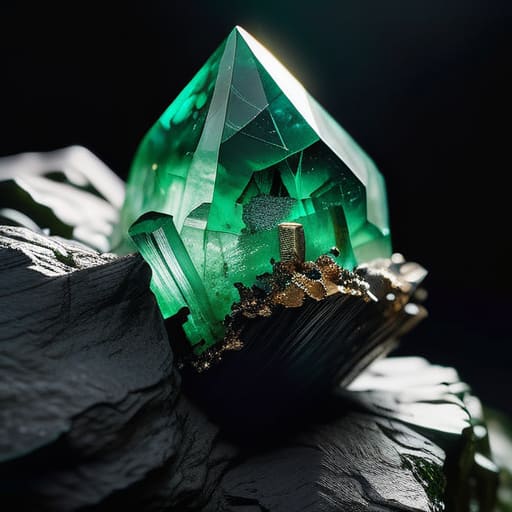
I spent six years hunched over a microscope in a cramped grading lab, staring at inclusions until my eyes felt like they were filled with sand. I’ve seen enough “investment-grade” stones passed off as miracles to know that the industry loves to hide behind vague, expensive-sounding labels. People will tell you that a stone’s soul is tied to its geography, but most of the time, they’re just trying to justify a massive markup. If you’re trying to figure out where emeralds come from and what origin does to price, you need to stop listening to the sales pitch and start looking at the mineralogical fingerprint left behind by the earth.
I’m not here to sell you on the “energy” of a stone, nor am I going to give you a lecture on market speculation. My goal is much simpler: I want to show you the actual geological differences between a lush, oil-rich Colombian stone and a sharper, more bluish Zambian one. I’ll explain the chemistry that makes one more coveted than the other, so when you finally see a piece you love, you’ll know if you’re paying for real geological rarity or just a very clever marketing campaign.
The Dirt the Depth and Where Emeralds Come From and What Origin Does to Pri
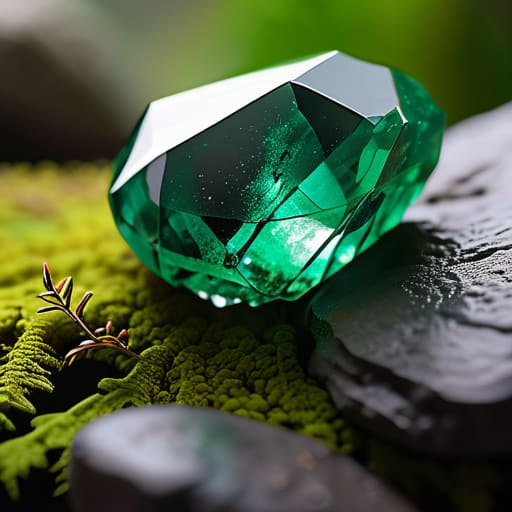
When you look at a high-end emerald, you aren’t just looking at beryl with chromium impurities; you are looking at a map of geological history. Most of the world’s finest stones come from a handful of specific pockets, and the chemistry of that local soil changes everything. In Colombia, the emeralds often have a lush, oil-like glow—a color that looks like deep forest moss after a heavy rain. Because these stones form in sedimentary environments, they tend to have a specific warmth that collectors hunt for.
On the other hand, you have the mines in Zambia. The Zambian emerald characteristics are distinct; the stones often lean toward a cooler, more bluish-green hue, reminiscent of the Atlantic looking dark and sharp under a winter sky. While the Colombian pieces often command a premium due to their legendary status, the Zambian stones frequently offer better clarity for the money. Understanding gemstone provenance and investment value comes down to recognizing these subtle shifts in the spectrum. It isn’t just about “green”—it’s about the specific way the earth cooked that mineral millions of years ago.
Colombian Emerald Quality vs Zambian Knowing the Difference in the Glow
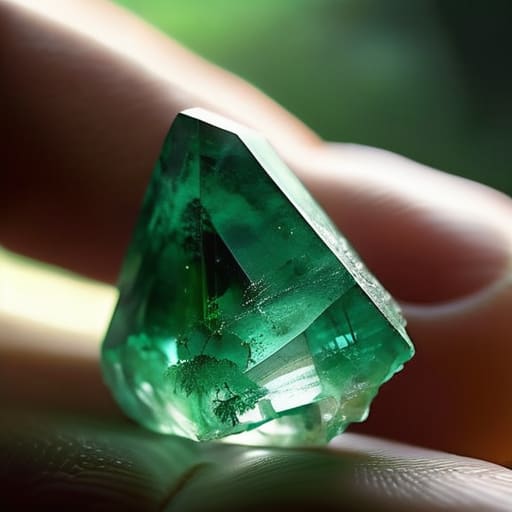
When you hold a Colombian stone up to the light, you aren’t just looking at a green mineral; you are looking at a specific kind of light. These stones usually have a lush, velvety hue that reminds me of a pine forest right after a heavy rain—deep, saturated, and almost glowing from within. Because the chromium levels are so specific to those Muzo or Chivor mines, the Colombian emerald quality vs Zambian debate usually comes down to this internal radiance. They often have more inclusions, which some call “jardin,” but those tiny fractures actually help scatter the light in a way that gives them that signature, soft glow.
Zambian emeralds are a different beast entirely. They tend to be a bit more “clean” looking, with a color that feels more like a shallow tropical sea under a midday sun—bright, sharp, and slightly more bluish. While they might lack that heavy, moody saturation of the Colombian pieces, their clarity is often superior. When you are weighing gemstone provenance and investment value, you have to decide if you want the historical prestige of the Colombian “glow” or the crisp, bright elegance of a Zambian stone. Both are real, both are beautiful, and both are worth exactly what you pay for them if you know what you’re looking at.
Unpacking Zambian Emerald Characteristics and Why They Command Respect
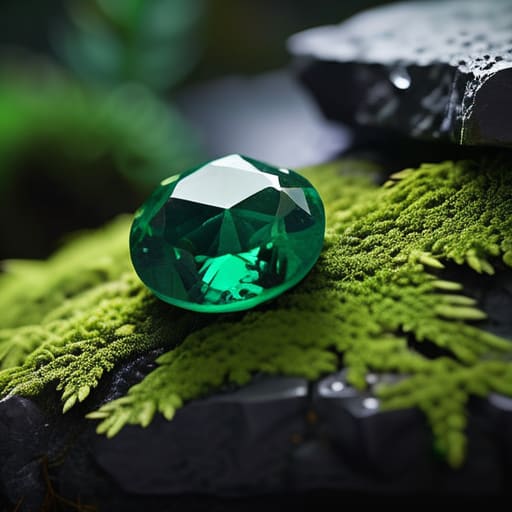
When I look at a Zambian emerald under the loupe, I’m not looking for that oily, lush glow you find in South American stones. Instead, I’m looking for a specific kind of clarity. Zambian stones tend to be a bit more “open.” The color is often a deep, saturated forest green—the kind of shade you see in the pine needles after a heavy rain—but it lacks that heavy, almost syrupy internal refraction. Because the mines in the Copperbelt province often produce stones with fewer inclusions, the Zambian emerald characteristics lean toward a cleaner, more brilliant sparkle.
This clarity is exactly why they have carved out such a steady niche in the market. While people often obsess over the Colombian hype, savvy collectors look at the Zambian supply for stability. When you are weighing gemstone provenance and investment value, you have to account for the fact that Zambian stones are often more “readable” to the eye; they don’t hide behind heavy oils or resins to mask their flaws. They are honest stones. They show you exactly what they are, and for many, that transparency is worth more than a fancy pedigree.
The Truth About Emerald Color and Clarity by Region
When I’m sitting at my bench with a loupe, I’m not looking for “magic”; I’m looking for the specific way light interacts with the mineral structure. The reality of emerald color and clarity by region is that you aren’t just buying a color; you are buying the specific geological conditions that allowed that color to exist. Colombian stones often have a lush, oil-like saturation that looks like a forest floor after a heavy rain—deep, warm, and almost velvety. They tend to be more included, with those tiny internal fractures that we call “jardin,” which can actually help catch the light if you know what to look for.
Zambian stones, on the other hand, tend to be much cleaner and more “open.” The color is often a cooler, sharper green, similar to the color of sea glass after a storm. Because the clarity is typically higher, you can see deeper into the stone without being interrupted by heavy inclusions. Understanding these nuances is vital when you consider gemstone provenance and investment value. You aren’t just paying for a pretty rock; you are paying for the specific chemical fingerprint left behind by the earth millions of years ago.
Tracing Rare Gemstone Mining Locations to Find the Real Treasure
When you start looking into the deeper pockets of the market, you realize that finding a truly exceptional stone often means looking where others aren’t. It isn’t just about the big, famous mines; it’s about tracking down those specific, narrow veins in rare gemstone mining locations that haven’t been stripped bare yet. I’ve spent enough time with a loupe to know that the most breathtaking stones often come from pockets that are incredibly difficult to access. Whether it’s a small, high-altitude deposit in the Andes or a specific seam in the African crust, the difficulty of the extraction is a massive part of the story.
This is where the concept of gemstone provenance and investment value stops being a textbook theory and becomes a practical reality. A stone’s history is etched into its chemistry. When you can pinpoint exactly which geological formation birthed a crystal, you aren’t just buying a pretty object; you’re buying a piece of a very specific moment in Earth’s history. Understanding these nuances allows you to spot the difference between a common commercial stone and a piece that actually holds its ground over time.
How Gemstone Provenance and Investment Value Actually Collide
When you sit down with a loupe to look at a stone, it’s easy to get lost in the light refraction and forget that you’re looking at a piece of history. But for those looking at these stones as assets, the history is the math. There is a direct, often brutal link between gemstone provenance and investment value; a stone isn’t just a pretty object, it is a finite resource tied to a specific patch of earth that might not be mined again for a century. If a stone comes from a legendary, depleted mine in Muzo, the market treats it differently than a stone from a newer, more prolific site.
This isn’t just about prestige; it’s about predictable scarcity. When we talk about the factors affecting emerald market price, we are really talking about how much of that specific “flavor” of stone remains in the ground. A collector isn’t just buying a green crystal; they are buying a stake in a dwindling supply. Whether you’re holding a stone for its beauty or its resale potential, the origin dictates the ceiling of what that stone can eventually become.
The Raw Factors Affecting Emerald Market Price You Need to See
When you’re looking at a price tag, it’s easy to get lost in the numbers, but the math usually boils down to a few physical realities. First, there is the chemistry of the color. I always look for that specific “oil-slick” saturation—a green that looks like a pine forest after a heavy rain. If the color is too pale, it’s just glass; if it’s too dark, it looks like stagnant pond water. This is where emerald color and clarity by region becomes the deciding factor. A stone might have incredible saturation, but if the internal fractures are a spiderweb of inclusions that threaten the structural integrity, the price will plummet regardless of its origin.
Then, you have to account for the treatment. Almost all emeralds on the market have been treated with oil to fill those tiny cracks, but the quality and type of oil used is a massive variable. A stone with high-grade cedar oil is a different beast entirely compared to one filled with cheap resins. When you weigh these physical traits against gemstone provenance and investment value, you start to see why two stones that look similar in a photo can have a price gap of thousands of dollars.
The geology of a price tag
At the end of the day, you aren’t just paying for a bit of green; you’re paying for the specific chemistry of a single mountain range. A Colombian stone has a certain glow, like moss under a thin layer of seawater, while a Zambian piece feels more solid, like forest pine after a heavy rain. The market calls it ‘provenance,’ but I just call it the fingerprint of the earth—and that fingerprint is exactly what determines if you’re getting a bargain or a legacy.
Dagny Solheim
The final word on where the green begins
At the end of the day, whether you are looking at a lush, oil-rich Colombian stone that looks like moss after a heavy rain, or a sharp, saturated Zambian piece that hits you like sunlight on a clear fjord, you are looking at a specific geological miracle. We have walked through how the chemistry of the soil dictates the hue, how the depth of the mine affects the inclusions, and why provenance is the primary driver of that price tag you see on the sticker. You don’t need to be a gemmologist to see that a stone’s history is written in its flaws and its color. Understanding these regional fingerprints is the only way to ensure you aren’t paying a premium for a story that isn’t actually there.
Whether you are buying an emerald as a serious hedge against inflation or simply because you love the way a certain shade of green catches the light, buy with your eyes and your logic. Don’t let the marketing jargon cloud the fact that every stone is just a piece of the earth’s crust that happened to get lucky. Once you know how to separate the geological reality from the sales pitch, the world of gemstones becomes much less intimidating and much more interesting. Pick the stone that speaks to you, know exactly what you are holding, and enjoy the history that comes with it.
