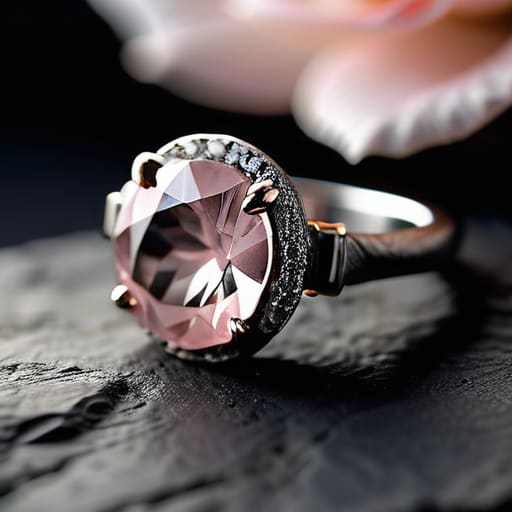
I remember sitting in a cramped grading lab in Bergen, staring through a loupe at a beautiful, sea-foam green apatite that looked like a piece of the Atlantic after a storm. The client wanted it set in a cocktail ring, ready for a lifetime of clinking against champagne flutes and dinner plates. I had to be the one to tell them that the stone’s chemistry simply wouldn’t allow it. People often get caught up in the “energy” of a piece, but they ignore the cold, hard reality of hardness and what it decides about where a stone can be worn. You can love a stone’s soul all you want, but if it’s a 5 on the Mohs scale, it’s going to end up looking like a scratched-up pebble within a month if you put it on your finger.
I’m not here to sell you on magic or tell you that a stone’s vibration will protect it from a granite countertop. My goal is to give you the actual physics of your jewelry. I’ll walk you through which minerals are tough enough for your daily life and which ones belong strictly in a velvet-lined box. Once you know the composition, you can decide how to wear them—I’m just here to make sure you don’t break your favorite things.
The Truth About Hardness and What It Decides About Where a Stone Can Be Wor
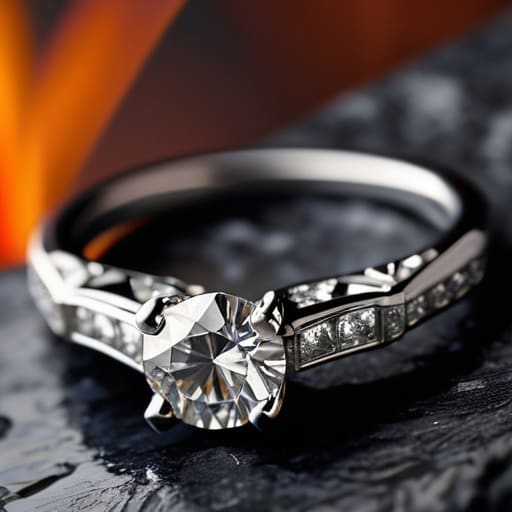
When we talk about how a stone holds up, we’re really talking about the Mohs scale of mineral hardness. It’s a simple ranking from 1 to 10, but in a grading lab, it’s the difference between a lifelong heirloom and a piece of debris. If you’re looking for the best gemstones for engagement rings, you’re essentially looking for things that sit at the top of that scale—diamonds, or maybe sapphires and rubies. These are the stones that can handle the daily grind of typing, washing dishes, and accidentally bumping into doorframes without losing their polish.
On the other hand, you have stones that are beautiful but temperamental. Think of an opal or a pearl; they have a soft, milky glow, like the sea after a storm, but they lack scratch resistance in gemstones. If you try to wear an opal in a ring that catches on everything, you’re going to end up with a scratched, dull mess. I usually suggest keeping those as earrings or pendants, tucked away from the rough-and-tumble of your hands. It’s not about being precious; it’s just about knowing if a stone is built for a marathon or a stroll.
Decoding the Mohs Scale of Mineral Hardness Without the Academic Fluff
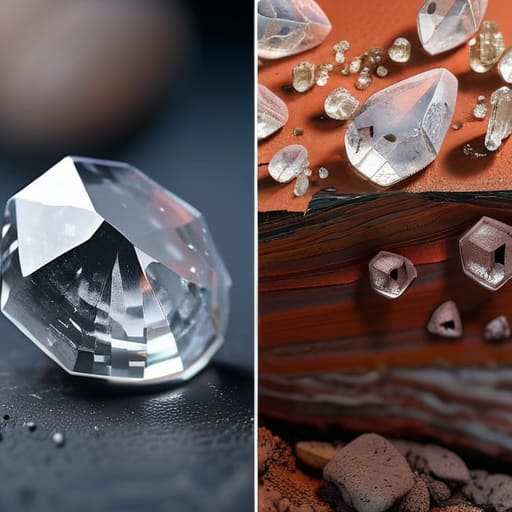
When you look at a textbook, the Mohs scale of mineral hardness sounds like a rigid, mathematical law. In reality, it’s just a simple ranking of which minerals can scratch others. Think of it as a hierarchy of toughness. If you take a piece of quartz—a 7 on the scale—and try to scratch it with a copper penny, the penny will just smudge. But if you take that same quartz and rub it against a diamond, the quartz will end up looking like it’s been through a rock tumbler. It’s not about how “strong” the stone feels in your hand; it’s about scratch resistance in gemstones and how they hold up against the dust and grit of your daily life.
I spent years in the lab seeing what happens when people ignore these numbers. You’ll see people buying beautiful, soft stones for rings, only to find them looking milky and battered after a month. This is why I always talk about gemstone durability for everyday wear. If you’re choosing something for a ring, you want to stay high on that scale. If you’re looking at something more delicate, like an opal or a pearl, you’re better off keeping them in a pendant or earrings where they won’t constantly knock against a desk or a doorframe.
Why Scratch Resistance in Gemstones Is the Only Metric That Matters
When people talk about gemstone durability for everyday wear, they often get bogged down in technical jargon, but in my experience, it really comes down to one thing: scratch resistance in gemstones. I’ve spent enough hours under a loupe to see the difference between a stone that has lived a long, bright life and one that has been battered by the reality of daily existence. If a stone can’t stand up to the microscopic grit and dust that accumulates on your hands, it’s going to lose its luster long before you decide you’re tired of wearing it.
It isn’t just about the stone looking “old”; it’s about the surface integrity. A stone that is easily scratched will eventually look cloudy or matte, like a pebble pulled from a stream that’s been tumbled too long. This is why you see such a massive divide between the best gemstones for engagement rings—which need to survive a lifetime of hand-washing and typing—and the more delicate pieces. If you are looking at something like an opal or a soft jade, you aren’t just buying a color; you are committing to a lifestyle of careful handling.
Choosing the Best Gemstones for Engagement Rings That Actually Last
If you’re looking for the best gemstones for engagement rings, you have to stop looking at the color for a second and start thinking about your daily life. An engagement ring isn’t a museum piece; it’s going to hit door handles, kitchen counters, and gym weights. This is why I always point people toward the “big hitters” on the Mohs scale of mineral hardness—diamonds, obviously, but also sapphires and rubies (the corundum family). These stones have the kind of scratch resistance in gemstones that allows them to look just as bright after a decade as they did on day one.
I see people fall in love with stones that look like sea glass or wet moss—think morganite or labradorite—and try to set them in a ring. My advice? Don’t. Those are beautiful fragile stones for earrings vs rings, meant for something that stays tucked away or sits still. If you want a stone that survives a life of actually being lived, stick to the hard stuff. You can always find a beautiful, softer stone for a pendant that stays close to your heart and far from the edge of a table.
The Reality of Gemstone Durability for Everyday Wear and Life
When people talk about gemstone durability for everyday wear, they usually focus on whether the stone will shatter. In my experience in the lab, that’s rarely the real issue. Most stones won’t explode if you bump your hand against a table, but they will lose their luster if they get peppered with micro-scratches. A stone like an opal or a pearl has a surface like a wet pebble on a beach—soft, luminous, and incredibly easy to mar. If you wear something like that on a ring, you aren’t just risking a scratch; you’re essentially sanding down the very thing that makes the stone beautiful.
This is why I always make a distinction between fragile stones for earrings vs rings. You can get away with a much softer, more sentimental piece if it’s hanging from an earlobe, away from the chaotic friction of typing on a keyboard or grabbing your keys. But for anything on your fingers, you need to prioritize scratch resistance in gemstones. If you want a piece that looks as good in ten years as it does today, you have to respect the physics of the material.
Distinguishing Fragile Stones for Earrings vs Rings in Your Collection
When you’re looking at your collection, you have to stop thinking about how a stone looks in a velvet box and start thinking about how it hits the world. A ring is a magnet for trouble; it bumps into door handles, gets scrubbed against granite countertops, and catches on everything. If you’re looking at something like an Opal or a Pearl, putting them in a ring is a recipe for heartbreak. These are much better suited for earrings, where they sit safely away from the daily grind.
The logic here is all about protecting soft gemstones from the physics of your life. A stone might look stunning, but if its scratch resistance in gemstones is low, it will eventually look like it’s been dragged through a gravel pit. I always tell people that if a stone is lower on the Mohs scale of mineral hardness, treat it like a guest: keep it for special occasions or tuck it into a pair of studs. You aren’t losing anything by being careful; you’re just ensuring that when you finally do wear it, it still has that wet-stone shine instead of a cloudy, scratched surface.
Practical Ways of Protecting Soft Gemstones From a Careless World
If you’ve decided to invest in something like an opal or a pearl, you have to accept that you’re entering a bit of a pact with the stone. These aren’t the heavy hitters like sapphires; they are delicate. I always tell people that protecting soft gemstones isn’t about living in a bubble, but about being mindful of your environment. Think of it like my morning swims—the water is invigorating, but you wouldn’t dive headfirst into a rocky tide pool. Similarly, don’t wear your softer stones when you’re gardening, cleaning with harsh chemicals, or heading to a crowded gym where a stray weight might catch your hand.
The simplest way to manage this is through “zoning” your jewelry. I keep my more robust pieces for daily life and save the delicate ones for specific occasions. If you are navigating the choice between fragile stones for earrings vs rings, remember that an earring is much safer from a sudden impact against a desk than a ring is. When you aren’t wearing them, keep them in separate, lined compartments. It’s not about being precious; it’s just about making sure the stone stays as beautiful as the day you found it.
The reality of the Mohs scale
A gemstone isn’t just a pretty object; it’s a physical structure that has to survive the friction of your life. I don’t care much for the mysticism, but I care a lot about whether a stone is going to turn into a cloudy, scratched mess after three months of wearing it on a ring. You can love a stone for its soul, but if you want to wear it every day, you have to respect its hardness first.
Dagny Solheim
The final word on your stones
At the end of the day, choosing a stone isn’t just about finding a colour that looks like a storm-tossed sea or a deep forest after rain; it’s about matching the mineral to your actual life. If you pick a diamond or a sapphire for an engagement ring, you’re leaning into the science of high Mohs numbers to ensure it survives the daily grind of typing, cleaning, and living. If you choose something softer, like an opal or a pearl, you aren’t making a mistake—you’re just making a choice to be deliberate about how you wear them. Just remember that hardness dictates the setting, and knowing the difference between a stone that can take a hit and one that needs a velvet box is the only way to avoid heartbreak later on.
I’ve spent enough years looking through a loupe to know that a stone’s value isn’t just in its carat weight, but in the history it carries. A scratched gemstone tells a story, but a shattered one is just a pile of dust. Whether you are wearing a hard, unyielding spinel or a delicate, moody moonstone, treat the stone with the respect its chemistry demands. Once you understand the physical reality of what you’re holding, you can stop worrying about the “rules” and just start enjoying the way the light hits the facets. After all, a stone is meant to be lived with, not just feared.
