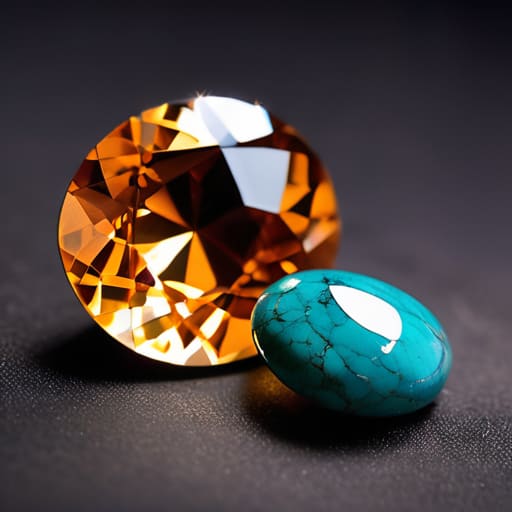
I spent six years hunched over a bench in a grading lab, staring through a loupe until my eyes burned, and if there is one thing I’ve learned, it’s that people often try to “fix” a stone by forcing it into a facet pattern it was never meant to hold. I see it all the time in shop listings: a dealer trying to sell a heavily included piece of opaque jasper as if it were a high-clarity sapphire, just to command a higher price. They forget that sometimes, the most beautiful way to honor a mineral is to lean into its natural character through cabochon cutting and the stones that need it. You don’t always need more facets to create brilliance; sometimes, you just need a smooth, polished dome to let the color actually breathe.
In this post, I’m going to strip away the marketing fluff and talk about the actual geology of the cut. I’ll walk you through which specific minerals—from the deep, mossy greens of jade to the milky blues of moonstone—are better suited for a dome than a table, and how to spot a low-quality imitation masquerading as a premium specimen. I’ll tell you what the stone is made of and why the shape matters, but once you’ve got it, what you decide to do with it is entirely up to you.
Understanding Cabochon Cutting and the Stones That Need It
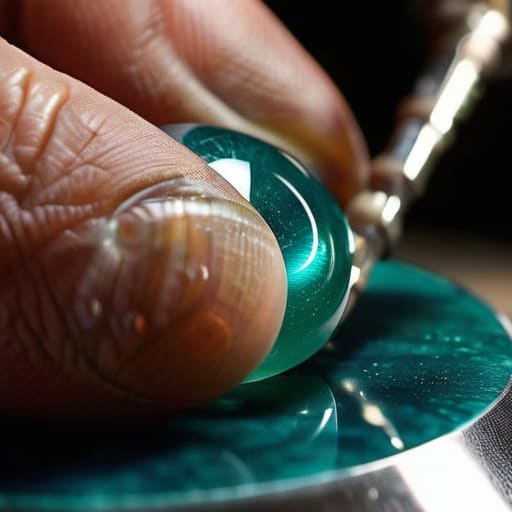
When you look at a stone under a loupe, you aren’t just looking for clarity; you’re looking for how the light behaves. In a faceted stone, we’re trying to bounce light off internal walls to create sparkle. But for many minerals, that kind of geometry is a waste of effort. A cabochon—a stone shaped into a smooth, rounded dome—is about surface play rather than internal fire. This is where we shift from precision angles to opaque gemstone polishing, focusing on how the light skims across the top of the mineral rather than diving deep into it.
Not every stone is a candidate for a facet, and that usually comes down to the gemstone hardness scale for cutting. If you try to facet a soft, porous stone like turquoise or variscite, you’ll likely end up with a mess of fractures rather than sharp edges. These materials crave the smooth, continuous surface of a cabochon. By using specific lapidary grinding techniques to buff the surface, we can achieve a depth of color that facets would actually obscure. It’s about working with the mineral’s natural character, not fighting against it.
Key Things to Know
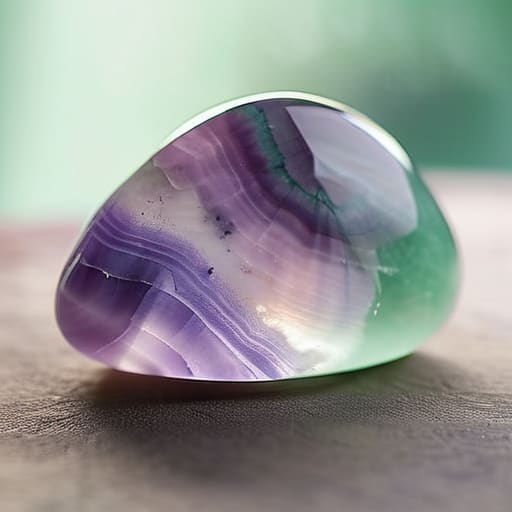
First, you have to look at the chemistry. Not every stone is built to handle the precision of a facet machine. When I’m looking at a specimen, the first thing I check is where it sits on the gemstone hardness scale for cutting. If you try to facet a stone that is too soft, like certain types of fluorite, you’ll end up with a pile of colorful dust before you’ve even finished your first grind. Cabochons are often the safer, smarter choice for stones that are either too fragile for sharp edges or simply too dense to show off through transparency.
You also need to consider the light. In the debate of cabochon vs faceted stones, the decision usually comes down to whether the stone is meant to play with light or hold it. For opaque minerals like turquoise or jasper, a flat facet is useless; you want a smooth, domed surface that allows for improving stone luster through careful polishing. It’s about how the light hits the surface—much like how a wet pebble on a Norwegian beach looks deeper and more saturated than one left out in the sun.
Practical Tips and Steps
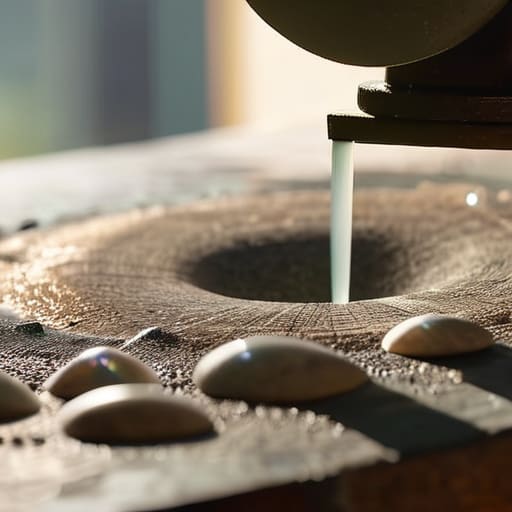
If you’re just starting out, don’t go buying a professional-grade faceting machine immediately. Most people find much more joy starting with basic lapidary equipment for beginners, like a simple cabbing machine or even a handheld rotary tool if you’re working with softer specimens. The trick is to respect the gemstone hardness scale for cutting; you wouldn’t dream of trying to grind a sapphire with the same grit you’d use for a piece of chalcedony. If you push too hard or use the wrong wheel, you’ll end up with more heat than light, and heat is the enemy of a clean finish.
When you move from shaping to the actual polish, patience becomes your best tool. I always tell my students that improving stone luster isn’t about force; it’s about the transition between grits. You’ll want to move methodically from coarse to fine, ensuring you’ve wiped away every trace of the previous grit so you don’t leave scratches behind. It’s a bit like cleaning a pebble from the North Sea—you have to work through the grit to find that deep, wet-looking glow underneath.
Common Mistakes to Avoid
The biggest mistake I see is people treating every stone like it’s a diamond. When you’re deciding between cabochon vs faceted stones, you have to respect the material’s internal structure. I’ve seen too many beginners try to force a sharp facet onto a stone that has heavy inclusions or a tendency to cleave. If you try to grind a facet into a stone that wants to split along a specific plane, you’ll end up with a pile of expensive dust instead of a gem. Always check your gemstone hardness scale for cutting before you even touch the saw; a soft stone like fluorite requires a completely different approach than a tough piece of jasper.
Another pitfall is rushing the final stages. You might think you’re done once the shape is right, but if you skip the fine-grit stages, you’ll never achieve that deep, wet-looking glow. Poor opaque gemstone polishing often leaves a surface that looks cloudy or “waxy” in a bad way, rather than having a clean, vitreous shine. It’s not about speed; it’s about the patience of the grind. If the luster looks dull, you haven’t finished the job.
Final Thoughts
At the end of the day, choosing between cabochon vs faceted stones isn’t about which one is “better,” but about what the mineral itself is trying to say. If you have a piece of labradorite with a flash that looks like sunlight hitting a dark tide pool, you don’t want to chop it into tiny triangles. You want to let that light play across a smooth, continuous surface. Whether you are just starting out with basic lapidary equipment for beginners or you’ve been grinding stones for decades, the goal is the same: respect the chemistry of the specimen.
Don’t get discouraged if your first few attempts at improving stone luster don’t look like the polished gems in a museum window. Achieving that perfect, glass-like finish requires patience and a steady hand with your grits. Once you understand how the mineral reacts to the wheel, you’ll stop fighting the stone and start working with it. Whether you end up wearing your finished piece or just keeping it on a shelf to watch the light catch it, you’ve done the real work of honoring the material.
## The Truth in the Curve
“A cabochon isn’t about hiding flaws; it’s about respecting the stone’s actual structure. Some minerals just don’t have the courage for sharp facets, and if you try to force them into a brilliant cut, you’ll end up shattering the very thing that makes them beautiful.”
Dagny Solheim
Final Thoughts
At the end of the day, choosing a cabochon cut isn’t about following a trend; it is a practical response to the mineralogy of the stone in your hand. Whether you are working with an opaque jasper that looks like deep moss after a heavy rain or a translucent moonstone that needs that smooth dome to catch the light, the goal is to respect the material. You want to avoid the trap of forcing a faceted cut onto a stone that simply won’t support it, which only leads to fractures and wasted value. Remember to check your hardness, look for internal inclusions that might hide under a facet, and always prioritize the integrity of the specimen over a flashy shape.
Once you have identified the right cut and ensured you aren’t holding a synthetic imitation, the science ends and your personal journey begins. You might keep that polished turquoise on your desk to remind you of the desert, or wear a labradorite pendant that flashes like the North Sea under a storm cloud during your morning swim. I don’t care if you see them as geological marvels or spiritual anchors; my job is just to make sure you know exactly what you are holding. Go ahead and make it your own, because a stone’s true value is ultimately decided by the person holding it.
