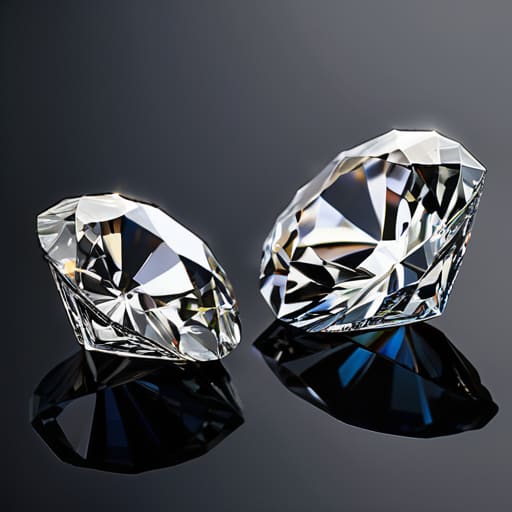
I spent six years hunched over a bench in a grading lab, staring through a loupe until my eyes felt like they were filled with sand. People always come to me when they are stuck between two very different moods: the sharp, modern geometry of a princess cut or the soft, romantic curves of a cushion. It is a classic standoff, and when you lay a princess cut and cushion cut side by side, the difference isn’t just about the shape—it’s about how the light actually behaves inside the carbon. One feels like a structured architectural sketch, while the other has that pillowed, liquid glow that reminds me of sunlight hitting a shallow tide pool.
I’m not here to tell you which one is “better” or try to sell you on a specific trend. My job is to strip away the marketing fluff and talk about the physics of the facets and the way these cuts handle brilliance. I will show you exactly how the light moves through these different geometries so you can see what you are actually buying. Once you understand the structural reality of these stones, what you decide to do with them is entirely your business.
The Precision of the Princess Cut
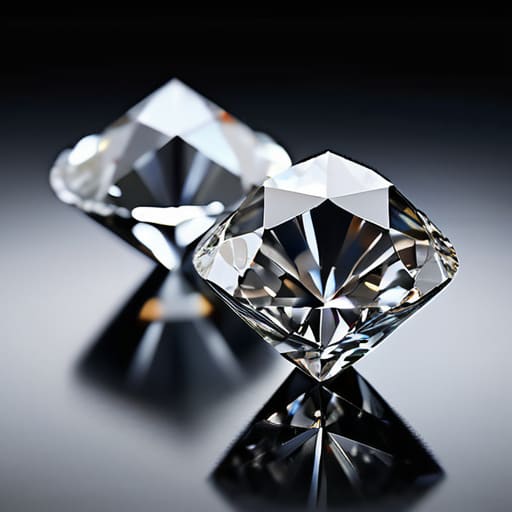
A princess cut is a square-shaped diamond characterized by its sharp, geometric corners and a brilliant-cut facet pattern designed to maximize light return. Its primary objective is to offer a modern, architectural symmetry that makes the stone appear incredibly crisp and intense under direct light. Because of its clean lines, it is often the go-to choice for those wanting a look that feels deliberate and contemporary rather than traditional.
When I’m sitting at my bench looking through a loupe, the first thing I notice about a princess cut is how it catches the light in sudden, rhythmic flashes. It doesn’t drift; it strikes. It reminds me of how sunlight hits the crushed quartz on a granite slab right after a storm—all bright, sudden glints and hard edges. If you want a stone that feels decisive and structured, this is the one that delivers that punch of clarity.
The Softness of the Cushion Cut
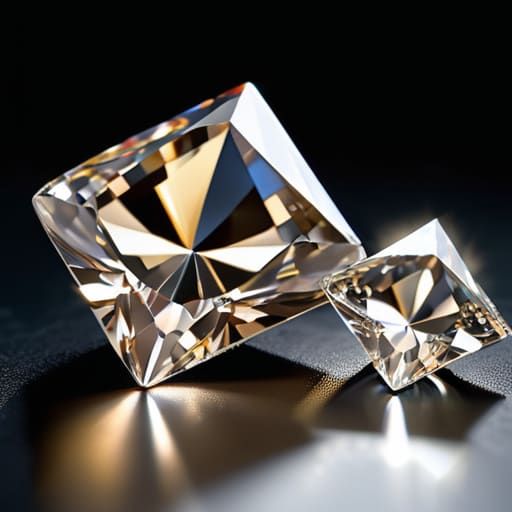
The cushion cut is a square or rectangular diamond with rounded corners and large facets, often referred to as a “pillow cut” due to its soft, voluminous appearance. The main selling point here is its romantic, vintage aesthetic, which prioritizes a sense of depth and “fire” over the rigid precision found in more modern shapes. It is a cut that celebrates the way light can dance and swirl within the stone’s interior.
To my eyes, a cushion cut has a much more forgiving personality than its geometric cousins. It lacks the aggressive sharpness of a princess cut, opting instead for a glow that feels more organic. It reminds me of the way a sea glass pebble looks when it’s just been pulled from the North Sea—the edges are smoothed by time, and the light seems to live inside the surface rather than just bouncing off it. It’s a choice for those who prefer a stone with a bit of soul and a lot of warmth.
Comparison of Diamond Cuts
| Feature | Princess Cut | Cushion Cut |
|---|---|---|
| Shape | Square with sharp corners | Square with rounded corners |
| Visual Style | Modern and geometric | Romantic and vintage |
| Light Performance | High brilliance and sharp flashes | Soft, romantic glow |
| Durability Risk | High (prone to chipping at corners) | Low (rounded edges are safer) |
| Best For | Contemporary engagement rings | Classic or antique-style settings |
| Price Point | Generally more affordable | Often higher due to popularity/rarity |
| Sparkle Type | Intense, linear flashes | Diffused, shimmering light |
Understanding Princess Cut and Cushion Cut Side by Side
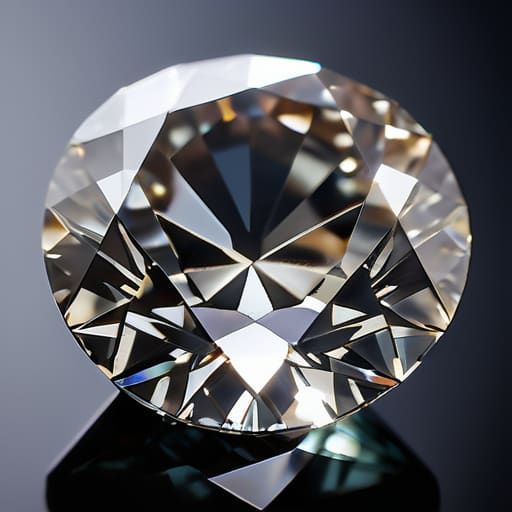
When you’re looking at these two side by side, you aren’t just picking a shape; you’re deciding how light is going to behave once it hits the stone. If you don’t understand the geometry, you might end up with a diamond that looks dull or one that feels completely out of place on your hand.
The princess cut is all about those sharp, precise corners and a structural rigidity that feels very modern. It’s designed to maximize brilliance through a series of parallel facets, which can sometimes make the light feel a bit “staccato” or jumpy. On the other hand, the cushion cut has those soft, rounded edges that remind me of a stone pulled fresh from a tide pool—it has a gentler, more romantic glow that flows across the surface.
In practice, this means a princess cut will demand a certain level of precision in its setting to protect those vulnerable points, whereas a cushion cut offers a more forgiving, vintage silhouette. If you want high-impact, geometric sparkle, you go princess. If you want a soft, watery shimmer, you go cushion.
For sheer visual character, the cushion cut wins.
Key Things to Know
When you’re standing at a jeweler’s counter, it’s easy to get lost in the sparkle, but the “key things to know” aren’t about the light show. They are about the structural reality of the stone. You need to understand how these shapes behave in a setting and how they hold up to the actual friction of daily life, because a diamond that looks stunning in a tray might be a liability on your finger.
The princess cut is all about precision; those sharp, ninety-degree corners are beautiful, but they are also vulnerable points. If you aren’t careful with the setting, a bump against a granite countertop can chip them. On the other hand, the cushion cut is much more forgiving. Its rounded, pillowed edges act as a natural buffer, making it a far more durable choice for someone who isn’t planning on sitting still.
If you are looking for a stone that demands careful handling and high-contrast brilliance, the princess wins. But for sheer, practical longevity in a ring you actually wear, the cushion cut takes the prize.
Practical Tips and Steps
Knowing the theory is one thing, but when you are actually standing in a jeweler’s shop or unboxing a parcel, the math doesn’t matter as much as the physical reality of the stone. You need to know how these shapes behave in the real world—how they catch the light, how they sit on a finger, and how much they are going to cost you when you factor in the risk of a chip.
If you go with a princess cut, you have to be much more careful with your inspection. Because of those sharp, 90-degree corners, they are more prone to chipping if you bang your hand against a desk. I always tell people to look closely at the corner integrity under a loupe. A cushion cut, on the other hand, is much more forgiving. Its rounded edges act like a natural buffer, making it a sturdier choice for someone with an active lifestyle.
When it comes to the actual buying process, the princess cut is a bit more of a technical challenge. You have to ensure the proportions are perfect to avoid a “dead” look in the center. The cushion is easier to fall in love with quickly because its soft silhouette hides many of the minor flaws that would ruin a sharp-edged stone.
For practical, everyday durability, the cushion cut wins hands down.
The Geometry of Light
When I look through a loupe, the difference is immediate: a princess cut is all sharp, mathematical precision, like sunlight hitting a glacier’s edge, while a cushion cut has that soft, pillowed depth, reminiscent of how a sea stone looks when it’s just been pulled from a shallow tide.
Dagny Solheim
Choosing Your Cut
When you strip away the marketing, the choice between these two comes down to geometry and light. A princess cut is a study in precision; it’s all about those sharp, clean lines and a way of reflecting light that feels almost electric. It’s modern, it’s efficient, and it demands a certain level of care because those corners can be vulnerable. On the other hand, the cushion cut is much more forgiving. It has that soft, rounded silhouette—reminiscent of a stone just pulled from a tide pool—that scatters light in a warmer, more romantic way. One is a laser, the other is a glow. Knowing whether you want the structural clarity of the princess or the vintage soul of the cushion is the real starting point.
At the end of the day, a diamond is still just a piece of carbon that has survived immense pressure over millions of years. Whether you choose the strict, mathematical perfection of a princess cut or the pillowed, old-world charm of a cushion, you are holding a piece of deep time in your hand. Don’t let the technical jargon or the price tags cloud your intuition. If a stone catches your eye and makes you feel something, then it has done its job. Trust your own eyes more than the certificate, because the best way to wear a stone is to feel like it actually belongs to you.
