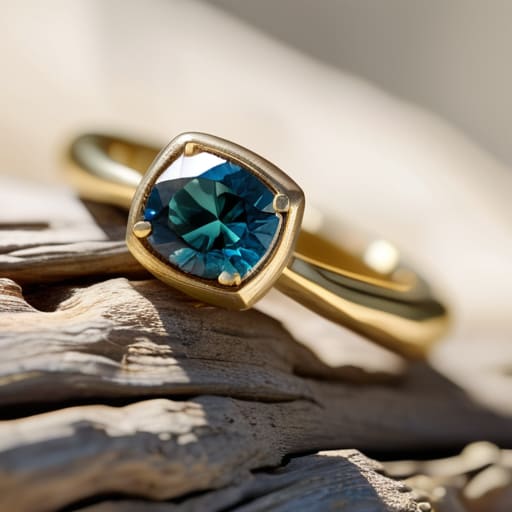
I spent six years hunched over a microscope in a grading lab, staring at inclusions until my eyes burned, and if there is one thing I’ve learned, it’s that marketing departments are terrible at physics. You’ll see a shopkeeper promise you that a beautiful, pale lilac stone is “perfect for daily wear,” but they aren’t thinking about you scrubbing dishes, lifting heavy grocery bags, or accidentally banging your hand against a granite countertop. There is a massive difference between a stone that looks pretty in a velvet box and the reality of everyday rings and which stones survive them. Most people buy for the aesthetic and end up with a scratched, dull mess within a month because they were sold a dream instead of a mineralogical fact.
I’m not here to sell you a miracle or tell you that a crystal holds a specific cosmic frequency. I’m going to tell you exactly what these minerals are made of, how hard they actually are on the Mohs scale, and how to spot a soft stone being passed off as a durable one. My goal is to give you the unvarnished truth about what can actually withstand your life. Once you know which stones are built for the grind and which ones belong in a safe, what you choose to wear is entirely your business.
The Truth About Everyday Rings and Which Stones Survive Them
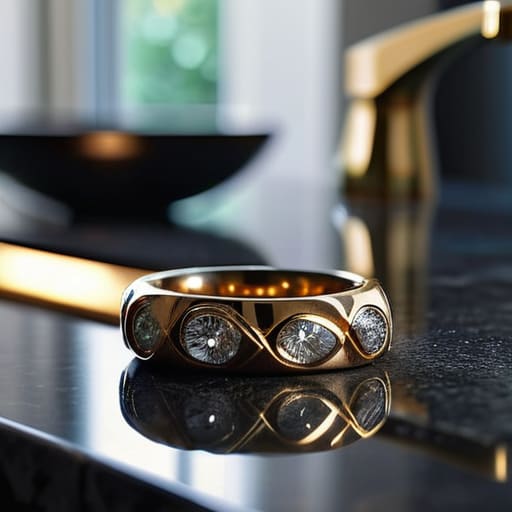
When you’re wearing a ring every single day, you aren’t just wearing jewelry; you’re wearing a tool that’s constantly bumping into granite countertops, office keyboards, and door handles. Most people think of “durability” as whether a stone will break, but in my lab, we look at it differently. We look at the Mohs scale of mineral hardness for jewelry to see how easily a stone will lose its polish to the grit of daily life. A stone might be beautiful, but if it’s soft, it’ll eventually look like it’s been dragged through a gravel pit.
If you want something that stays bright, you need to prioritize scratch resistant jewelry stones. Diamonds are the obvious choice here, sitting at the top of the scale, but sapphires and rubies—both varieties of corundum—are the real workhorses. They have a clarity that looks like deep seawater on a clear day and the structural integrity to handle a life of movement. On the other hand, if you’re leaning toward something like an opal or a pearl, you have to accept that they are delicate. They aren’t “bad” stones, they just require a different kind of respect and a lot more jewelry maintenance for daily wear.
The Mohs Scale of Mineral Hardness for Jewelry Real Facts Only
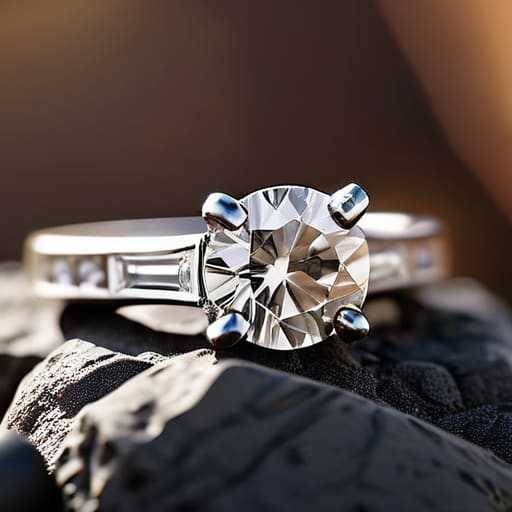
When you’re looking at a ring, you aren’t just looking at a pretty object; you’re looking at a tiny piece of geology that’s about to go through a war with your daily life. To understand if a stone will last, you have to look at the Mohs scale of mineral hardness for jewelry. It isn’t a magic number, but a relative ranking of how well a mineral resists being scratched by another. In my years in the lab, I’ve seen people treat a soft opal like a diamond, and the results are usually heartbreaking.
If you want something that can handle being bumped against a doorframe or scrubbed against a desk, you need to prioritize scratch resistant jewelry stones. Diamonds sit at a 10, which is the gold standard, but sapphires and rubies—both varieties of corundum—sit at a 9. That’s plenty of muscle for a ring you never take off. On the other end, you have stones like fluorite or even some types of opal that sit much lower on the scale. They might look like a wet, shimmering sea at first glance, but they’ll show their age very quickly if you aren’t careful.
Identifying the Best Gemstones for Engagement Rings That Last
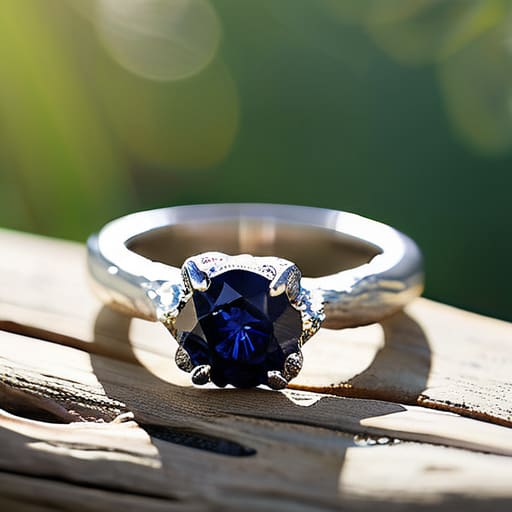
If you’re looking for the best gemstones for engagement rings, you really have to look past the pretty pictures on Instagram and look at the chemistry. For a ring that stays on your finger through grocery shopping and gardening, you want something that won’t look like a scratched-up piece of sea glass after six months. Diamonds are the obvious choice because they sit at the top of the Mohs scale, but they aren’t the only option. Sapphires and rubies—both varieties of the mineral corundum—are incredibly tough. I’ve seen sapphires with a color like deep ocean water just before a storm, and they hold that saturation beautifully without losing their luster to surface abrasions.
When you’re selecting stones, you’re essentially trying to balance aesthetics with avoiding gemstone chipping and cracking. This is where people often get tripped up. You might fall in love with an emerald because of its lush, mossy green, but emeralds are notoriously brittle due to internal inclusions. They are lovely, but they aren’t exactly scratch resistant jewelry stones. If you want something that can handle the bumps of real life, stick to the harder minerals. You can do whatever you like with your jewelry, but knowing the structural limits of your stone makes the decision a lot easier.
Scratch Resistant Jewelry Stones vs the Fragile Impostors
When you’re looking at a stone through a loupe, you learn pretty quickly that beauty and toughness are rarely the same thing. You might see a piece of Opal that looks like a spilled oil slick on a wet pavement—vibrant, shifting, and mesmerizing—but that same stone is a nightmare for a ring you wear every day. Opals are mostly water, and that makes them prone to avoiding gemstone chipping and cracking almost impossible if you bump your hand against a granite countertop. They are beautiful, but they aren’t built for the friction of a busy life.
On the flip side, you have your heavy hitters like Corundum—which is the mineral family for both Sapphires and Rubies. A high-quality sapphire has a color like the North Sea just after a storm, a deep, saturated blue that feels solid. These are true scratch resistant jewelry stones because their crystalline structure is tightly packed. If you want something that survives the sink, the gym, and the accidental doorframe collision, you want a mineral that doesn’t mind a bit of grit. Stick to the hard stuff, and you won’t spend your life worrying about a dull, scratched surface.
Durable Precious and Semi Precious Stones You Can Actually Trust
If you want a stone that can handle a life of washing dishes and typing on keyboards, you should start with the heavy hitters. Diamond is the obvious choice, of course—it sits at the top of the Mohs scale of mineral hardness for jewelry for a reason. It’s chemically stubborn and physically relentless. But if you aren’t looking for a diamond, sapphire and ruby are your next best bets. Both are varieties of corundum, and they have a toughness that makes them some of the most reliable scratch resistant jewelry stones available. A high-quality sapphire often has a deep, ink-blue hue, like the North Sea just before a storm hits.
For something a bit more colorful, look toward spinel or chrysoberyl. Spinel is often mistaken for ruby in older museum collections because it can possess a red as bright as a fresh wound, but it is its own distinct mineral. It holds up remarkably well to the bumps and scrapes of a Tuesday afternoon. When you are choosing these, remember that avoiding gemstone chipping and cracking isn’t just about hardness; it’s about the stone’s structural integrity. A stone can be hard but brittle, so look for solid, well-cut specimens.
Avoiding Gemstone Chipping and Cracking in Your Daily Life
Hardness isn’t the only thing that determines if a stone survives your Tuesday. You can pick the absolute best gemstones for engagement rings based on the Mohs scale, but if you treat a diamond like a hammer, it’s still going to suffer. There is a massive difference between a scratch—which is a surface-level battle of mineral hardness—and a fracture, which is a structural failure. I’ve seen plenty of high-quality sapphires, which are quite tough, end up with jagged “chips” because they took a direct hit against a granite countertop or a gym weight.
When it comes to avoiding gemstone chipping and cracking, you have to look at the stone’s cleavage. Some minerals have natural “fault lines” where they prefer to split. Even if a stone is high on the scale, a sharp, sudden impact can exploit those internal planes. Think of it like this: a stone might be hard enough to resist a knife, but it might still shatter if you drop it on a tiled floor. Proper jewelry maintenance for daily wear means being mindful of these sudden shocks, not just the slow scratches.
Practical Jewelry Maintenance for Daily Wear Without the Pretense
I don’t care much for the fancy, velvet-lined instruction manuals that come with expensive jewelry. Most of that advice is fluff. If you’ve chosen one of the best gemstones for engagement rings—something like a sapphire or a diamond—you already know it’s tough. But “tough” isn’t “invincible.” Even the most scratch resistant jewelry stones can suffer if you treat them like tools rather than ornaments. I’ve seen beautiful stones look dull and tired simply because they were caked in the kind of grit you find at the bottom of a North Sea tide pool.
For basic jewelry maintenance for daily wear, keep it simple: warm water, a tiny bit of mild dish soap, and a soft toothbrush. That’s it. Avoid those ultrasonic cleaners unless you know exactly what your stone is; I’ve seen many a lovely emerald get shattered by vibration because of internal inclusions. If you are worried about avoiding gemstone chipping and cracking, the best rule is the most boring one: take the ring off before you go gardening, lifting weights, or doing anything that involves sudden, heavy impact. Treat the stone with a bit of respect, and it’ll look just as bright in ten years as it does today.
Hardness vs. Reality
A stone doesn’t care about your sentimental attachment to it; it only cares about the grit, dust, and accidental knocks of your Tuesday afternoon. You can buy a gem that looks like a sunset, but if it can’t survive a sink full of dishes, it’s just a beautiful way to lose money.
Dagny Solheim
Final Thoughts Before You Choose
At the end of the day, picking a ring comes down to a simple trade-off between what looks good and what actually stays intact. We’ve looked at why the Mohs scale matters, why a sapphire is a much safer bet than an opal for a ring you never take off, and how to spot the difference between a durable mineral and a beautiful but fragile impostor. If you choose a stone with high hardness and good toughness, you aren’t just buying a piece of jewelry; you are investing in something that can withstand the friction of a real life. Whether it is the grit of sand or the accidental knock against a granite countertop, knowing the chemistry of your stone means you won’t be surprised by a sudden crack or a dull, scratched surface.
I don’t care much for the lofty claims that a stone will change your aura or fix your luck, but I do care about the history written into its structure. A stone that survives decades of daily wear becomes a part of your personal geology, accumulating its own tiny, microscopic story of the life you lived while wearing it. Find something that matches your chemistry and your lifestyle, and wear it without hesitation. Whether it is a diamond or a sturdy garnet, if it is a real stone and it is built to last, it deserves to be part of your world.
