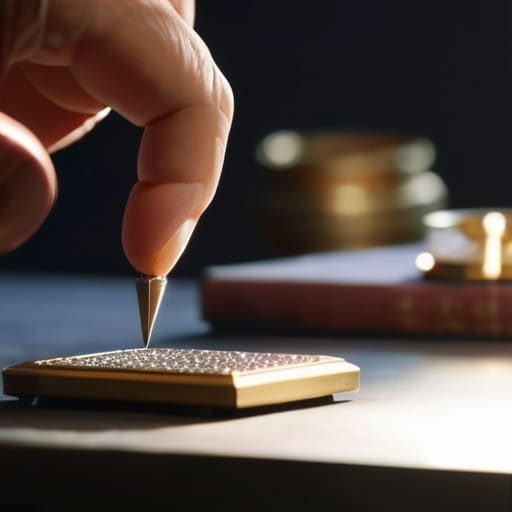
I spent six years hunched over a bench in a grading lab, peering through a loupe until my eyes felt like they were filled with sand. I’ve seen enough “miracle” stones to know that most of the sales pitch is just expensive smoke and mirrors. People often walk into a shop thinking they need to learn a complex language of carats and clarity, but they miss the real questions worth asking a jeweller before you buy. You don’t need to pretend you’re an expert to avoid being taken for a ride; you just need to stop letting the velvet trays and the soft lighting do the talking for them.
I’m not here to sell you on the “energy” of a crystal or the prestige of a brand name. My promise is simpler: I will give you the hard, technical questions that strip a stone down to its actual composition and history. I’ll show you how to distinguish a natural sapphire from a lab-grown one that’s been treated to look like it was plucked from a deep, wet ocean. Once you know exactly what you’re paying for, what you do with it is entirely your business.
The Truth About the Stone and Questions Worth Asking a Jeweller Before You
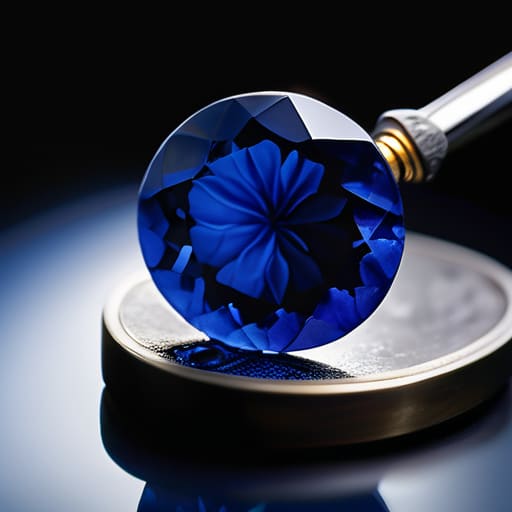
When you’re standing at a counter, it’s easy to get swept up in the way a stone catches the light. But I want you to look past the sparkle and ask about the chemistry. Don’t just ask if a sapphire is “real”—ask if it has been heat-treated or if it’s a natural, untreated specimen. Most stones have been touched by human hands to improve their color, often turning a hue that looks like a deep sea swell just before a storm. Knowing the exact treatment is vital for understanding the stone’s long-term value and stability.
You should also ask for documentation. I can’t stress gemstone certification importance enough; a reputable lab report is the only way to move beyond a salesperson’s word and into the realm of hard facts. While you’re at it, check the small stamps on the band. Understanding metal purity marks, like the difference between 14k and 18k gold, ensures you aren’t paying premium prices for something that won’t hold a setting. Once you know the composition and the metal, the rest is just your own preference.
Dont Settle for Myths Demand Real Gemstone Certification Importance
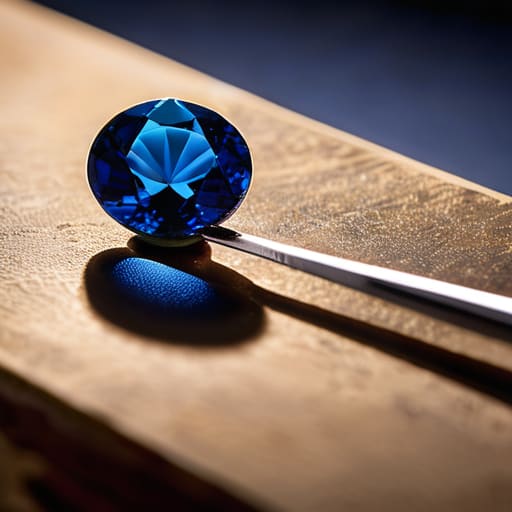
When you’re standing at a counter, it’s easy to get swept up in the storytelling. A salesperson might tell you a stone carries a specific vibration or was harvested under a full moon. I don’t care much for that, but I do care about the chemistry. You need to move past the folklore and ask for a lab report. This is where gemstone certification importance becomes practical rather than theoretical. A reputable certificate from a lab like GIA or SSEF isn’t just a piece of paper; it’s a map of the stone’s actual identity, detailing its inclusions, origin, and whether it has been heat-treated to change its color.
If a jeweler balks at providing a certificate for a high-value stone, that is your cue to walk away. I’ve spent too many hours under a microscope to ignore the red flags that come with unverified gems. Knowing how to demand documentation is your best defense in how to spot fake gemstones or heavily treated ones being passed off as natural. I’m not saying you can’t believe in the magic of a stone, but you should at least know exactly what atoms you are paying for.
How to Spot Fake Gemstones Before They Find Your Wallet
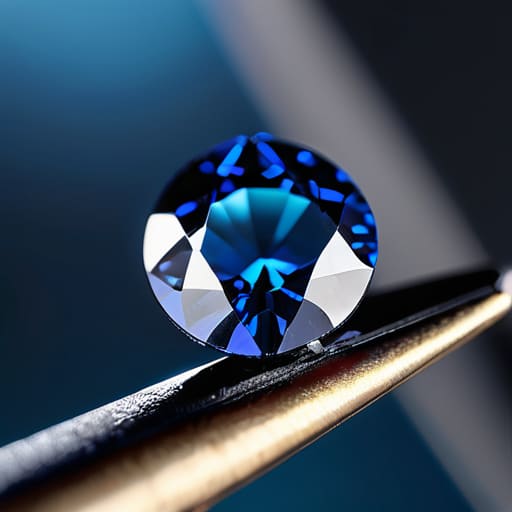
You don’t need a lab coat to catch most of the common tricks, but you do need to stop looking at the stone as a magical object and start looking at it as a physical one. When I was working in the grading lab, I learned that fakes usually fail because they try too hard to be perfect. If you’re looking at a sapphire that looks as clear and uniform as a glass marble, be suspicious. Real stones have inclusions—tiny, microscopic imperfections that tell the story of how they formed deep underground. If a stone is too flawless, it’s likely synthetic or glass.
Another thing to watch for is the setting itself. I always suggest understanding metal purity marks like the 750 for 18k gold or the 925 for sterling silver. If a jeweler is selling you a “high-end” gemstone but the metal is stamped with something vague or nothing at all, they are cutting corners. Knowing how to spot fake gemstones often comes down to checking if the physical reality of the piece matches the price tag. If the chemistry of the metal and the clarity of the stone don’t align, walk away.
Beyond the Shine Mastering Fine Jewelry Quality Standards
Once you’ve verified the stone itself, you have to look at the architecture holding it in place. I’ve seen incredible sapphires ruined by poorly executed settings—prongs that are too thin or edges that are sharp enough to catch on your favorite knit sweater. When you’re looking at high-end pieces, you aren’t just paying for the mineral; you’re paying for the craft. I always check the underside of the setting. It shouldn’t look like a messy web of solder; it should be clean, intentional, and sturdy. Part of mastering fine jewelry quality standards is knowing that the metal should be as reliable as the gem.
Don’t skip the small print on the metal, either. I spent years looking through a loupe, and I can tell you that understanding metal purity marks—those tiny stamps like 750 for 18k gold or 925 for silver—is your best defense against being sold plated junk. If a jeweler can’t point out exactly where the hallmark is, walk away. Finally, ask about their jewelry return and warranty policies. A jeweler who stands behind their work won’t blink when you ask what happens if a stone comes loose in six months.
Look Closer at the Marks and Understanding Metal Purity Marks
Once you’ve looked at the stone, turn the piece over. I spent years peering through a loupe at tiny imperfections, and I can tell you that the most important details are often hidden in the shadows of the setting. You need to be understanding metal purity marks—those tiny, stamped numbers like 750 for 18k gold or 925 for sterling silver. If a ring is supposed to be solid gold but lacks a hallmark, or if the stamp looks shallow and uneven, my geologist brain starts tingling. A clean, crisp stamp is a sign of a professional workshop; a blurry, messy one is a red flag that the metal might be plated rather than solid.
Don’t just take their word for it when they say a piece is “high quality.” Ask them to point out the hallmarks. This isn’t about being difficult; it’s about knowing exactly what you are paying for. If they can’t clearly identify the metal’s composition, you have no way of knowing if you’re buying an heirloom or something that will turn your finger green in a month. Verify the stamps before you reach for your wallet.
The Conscience of the Gem and Ethical Diamond Sourcing
When we talk about the “soul” of a stone, I’m not talking about energy fields or star alignments. I’m talking about the human cost of pulling a mineral out of the earth. If you are buying a diamond, you need to ask where it actually came from. Ethical diamond sourcing isn’t just a buzzword for marketing brochures; it’s about knowing if the person who mined that stone was paid a fair wage and worked in a safe environment. I’ve spent enough hours under a microscope to know that a stone’s beauty is a bit hollow if its history is written in conflict or exploitation.
Don’t be afraid to push your jeweler for specifics on their supply chain. If they give you a vague answer about “responsibly sourced” without any documentation to back it up, take that as a red flag. You should be looking for transparency that matches the fine jewelry quality standards they claim to uphold. It’s not about being difficult; it’s about ensuring that the piece you wear for the next forty years doesn’t carry a weight you didn’t sign up for.
Securing Your Peace With Jewelry Return and Warranty Policies
I’ve spent enough hours under a microscope to know that even the best-cut stones can have surprises once they hit the light of day in your living room. You might realize the sapphire isn’t the deep, midnight-ocean blue you expected, or perhaps the setting feels a bit loose after a week of wear. This is why you shouldn’t just nod and pay; you need to be explicit about jewelry return and warranty policies before the transaction is final. I’m not talking about a generic “satisfaction guaranteed” sticker. I want to know the specifics: Is there a window for returns if the stone’s color looks more like a muddy puddle than a gemstone once it’s set? Does the warranty cover stone loss, or just the metal?
A solid jeweler should be as transparent about their exit strategy as they are about their ethical diamond sourcing. If they hesitate to put the terms of a repair or return in writing, that’s a signal to slow down. A real guarantee isn’t just a safety net; it’s a reflection of how much they trust their own work and the fine jewelry quality standards they claim to uphold.
The difference between a story and a stone
Don’t let a salesperson dazzle you with talk of energy or destiny; ask them instead for the mineral name, the origin, and the hardness. A stone’s history is written in its chemistry, not in the adjectives used to sell it.
Dagny Solheim
A final word before you buy
At the end of the day, buying jewelry shouldn’t feel like a high-stakes gamble. We’ve covered a lot of ground—from checking the chemical reality of a stone and demanding actual certification, to peering through a loupe at metal hallmarks and asking the uncomfortable questions about where a diamond actually came from. It’s about stripping away the marketing fluff and looking at the hard science of the piece. If a jeweler gets defensive when you ask about origin or clarity, that is your signal to walk away. You aren’t being difficult; you are simply asking for the composition and the history of what you are paying for.
Once you have the facts, the heavy lifting is done. You’ll know if that sapphire is natural or a lab-grown imitation, and you’ll know if that gold is as pure as the tag claims. From there, the stone belongs to you. Whether you want to wear it as a symbol of a life milestone, or just keep it on your desk because you love the way the light hits the facets, that is entirely your choice. I care about the mineral, the hardness, and the truth of the specimen. What you do with that beauty once it’s in your hands is the best part of the story.