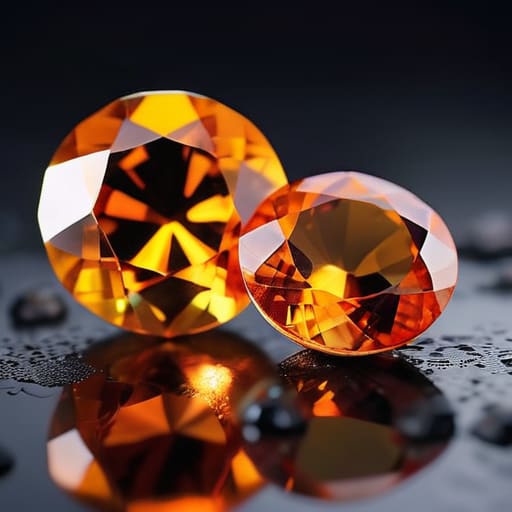
I spent six years hunched over a microscope in a grading lab, and if there is one thing I’ve learned, it’s that the market loves to lie to you about color. You’ll walk into a shop and see a stone that looks like a sunset, but the moment you take it into the light, that vibrant hue turns into something dull and muddy. People get caught up in the hype of “exotic” finds, but when you are actually hunting for orange gemstones and the ones that hold the colour best, you have to look past the marketing fluff. Most of those bright, neon-orange pieces you see online are either heavily treated or just poor-quality minerals that will lose their punch the second they hit the sunlight.
I’m not here to sell you on some spiritual energy or tell you a stone will change your life; I’m here to talk about mineralogy and light. I want to show you which stones—from spessartine garnets to real carnelian—actually keep that deep, saturated glow that looks like wet sea glass in the sun. I’ll tell you exactly what they are made of and how to spot a fake before you open your wallet. Once you know the real deal, what you do with the stone is entirely up to you.
The Truth About Orange Gemstones and the Ones That Hold the Colour Best
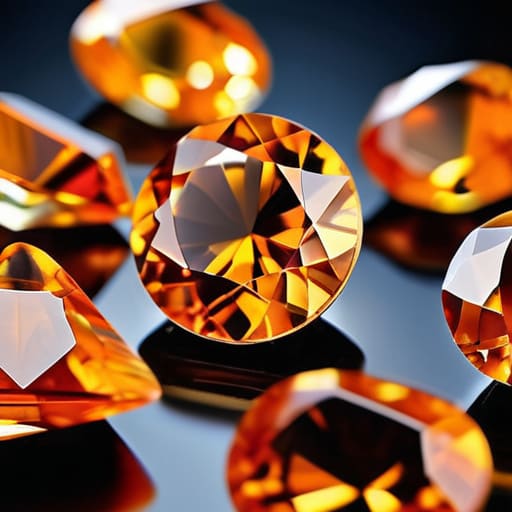
When we talk about color stability, we aren’t talking about magic; we are talking about how light and heat interact with a mineral’s crystal structure. I’ve spent enough hours under a microscope to know that some stones are much more temperamental than others. Take heat-treated amethyst, for instance—it’s often sold as citrine, but that color can shift if it sits in a sunny window for too long. If you want something that won’t fade, you need to look at the chemistry. For example, topaz color retention is generally excellent because the pigment is baked into the lattice, unlike some cheaper, dyed quartz that looks like a sunset when wet but turns muddy once it dries out.
If you are looking for something with real punch, I usually point people toward spessartite garnet. The spessartite garnet brilliance is something you can feel in your chest; it has a saturated, tangerine glow that stays constant regardless of the lighting. It’s a much harder, more reliable stone than a fire opal, which can sometimes lose its hue intensity if it gets too dry. I’m not saying you can’t keep an opal in a jewelry box, but if you want a stone that holds its ground, stick to the heavy hitters.
Why Fire Opal Hue Intensity Often Betrays the Unwary Buyer
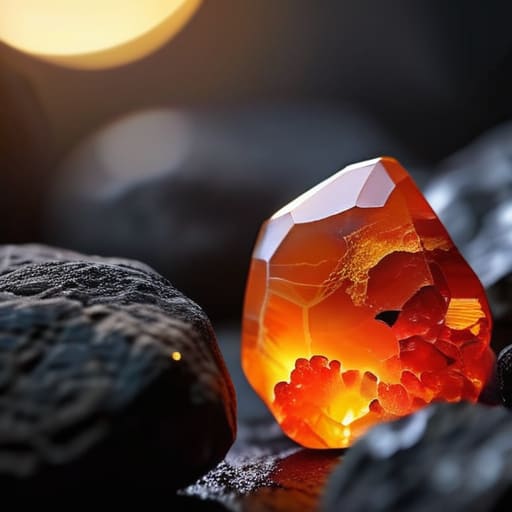
The trouble with fire opal is that it looks too good to be true. When you see a stone with a saturated, neon glow, your instinct is to reach for your wallet, but that fire opal hue intensity is often a red flag. Real precious opal is a silica hydroxide; it’s a hydrated mineral, meaning it contains water. If that water evaporates due to poor storage or extreme temperature shifts, the stone doesn’t just fade—it cracks. Often, what looks like a vibrant, sunset-orange stone is actually a piece of dyed quartz or a synthetic glass designed to mimic that depth.
In my years under the loupe, I’ve seen plenty of “fire opals” that were nothing more than cheap fillers with a heavy coat of pigment. Unlike the orange sapphire durability you get with corundum, or the structural permanence of a garnet, an opal is temperamental. If the color looks too uniform, like a liquid poured into a mold, it’s likely not a natural specimen. A real stone has internal complexities, not just a surface-level scream of color.
Testing Citrine Color Stability Against the Test of Time
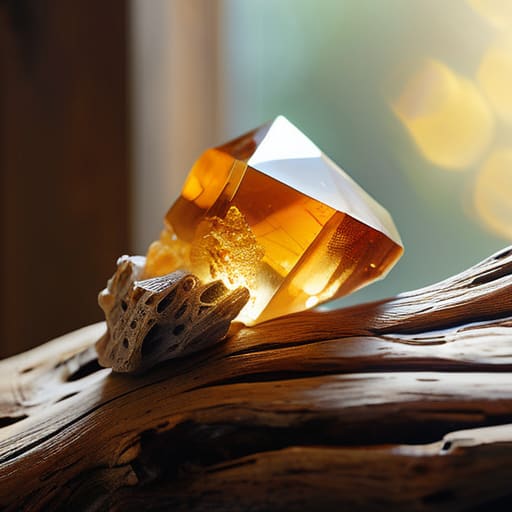
If you’re looking for a stone that stays true to its hue, you have to talk about citrine. Most of what you see in shop windows isn’t actually natural citrine; it’s amethyst that has been baked in a furnace until it turns a burnt, brownish-orange. This is where citrine color stability becomes a real issue. Because that color was forced out of the crystal by heat, it can actually shift or fade if you leave it sitting in a sunny window or wear it constantly in the sun. It’s a bit like a tan that doesn’t quite hold; it’s there, but it’s unstable.
If you want something that won’t change on you, I usually point people toward a high-quality orange sapphire durability. Sapphires are corundum, meaning they are incredibly tough and chemically stubborn. While a citrine might start looking a bit washed out after a few years of heavy wear, a sapphire holds its saturation like it’s locked in a vault. It doesn’t matter if you’re wearing it every day or keeping it in a jewelry box; that deep, sunset orange isn’t going anywhere.
Spessartite Garnet Brilliance Identifying the Real Fire Within
If you want an orange that doesn’t fade, you eventually have to look at spessartite. It’s a member of the garnet family, but unlike the deep reds I grew up seeing, this one hits you with a saturation that looks like tangerines pulled straight from the juice. Because it’s a silicate mineral with a high refractive index, the spessartite garnet brilliance is something you can feel in your eyes; it doesn’t just sit there, it dances.
The trick is spotting the difference between a high-quality spessartite and a piece of dyed chalcedony or even a low-grade carnelian. When I’m at the loupe, I’m looking for how the light moves through the crystal structure. A fake will often have “color zoning” that looks muddy or uneven, almost like a bruise under the skin. Real spessartite has a clarity and depth that feels structural, not painted on. While some stones struggle with color retention over years of sunlight, this garnet is chemically stubborn. It holds that vivid, wet-look orange through sheer mineral grit, making it one of the most reliable choices for anyone who wants a stone that stays as bright as the day they bought it.
The Rugged Reality of Orange Sapphire Durability and Strength
If you’re looking for a stone that can actually handle a life of being worn every single day, you eventually have to talk about corundum. While I love the spessartite garnet brilliance I see in certain collectors’ pieces, garnets can be a bit temperamental when it comes to chipping if you knock them against a granite countertop. An orange sapphire, however, is a different beast entirely. Because it sits at a 9 on the Mohs scale, it’s incredibly stubborn. You can wear it through a morning of cold-water swimming or a busy day at a desk without worrying that the edges are going to soften or the surface is going to cloud up.
The color in these stones is often a deep, saturated burnt orange—the kind of shade you see on a pebble sitting just under the surface of the North Sea. Unlike some varieties where you might worry about topaz color retention or light sensitivity, a sapphire’s hue is baked into its crystal structure. It isn’t a coating or a surface treatment that’s going to fade. When you invest in orange sapphire durability, you aren’t just buying a pretty object; you’re buying something that can actually survive the friction of a real life.
Will Your Topaz Color Retention Fade Into Something Lesser
Topaz is a bit of a chameleon, and not always in a good way. Most of the vibrant orange stones you see in shop windows aren’t actually orange by nature; they’ve been treated with radiation to force that color out of the crystal lattice. While it looks stunning at first—reminiscent of a sunset hitting a tide pool—this isn’t a permanent state. If you leave a treated topaz sitting in direct sunlight on a windowsill, you might find that its topaz color retention isn’t quite as robust as you hoped. The color can actually “bleach out,” leaving you with a stone that looks more like a pale, washed-out peach.
It’s a different situation with natural stones like carnelian, where the color is baked into the mineral’s very chemistry. While you won’t see the same level of spessartite garnet brilliance in a piece of carnelian, its hue is much more stubborn. If you are buying topaz specifically for its orange punch, I always suggest asking the dealer if it has been irradiated. If they can’t give you a straight answer, you’re likely looking at a stone that might lose its luster before the year is out.
Understanding Carnelian Gemstone Properties and Their Deceptive Charm
Carnelian is essentially a variety of chalcedony, a microcrystalline form of quartz. When I look at a good specimen under the loupe, I’m looking for that specific, saturated warmth—the colour of a sunset reflecting off a wet, rusted pier. It’s a beautiful, earthy orange, but because it’s so common, it’s often confused with more expensive stones or, more frequently, with dyed quartz. Unlike the way we talk about citrine color stability or the structural integrity of an orange sapphire durability, carnelian is prized for its translucency and that deep, blood-orange glow that seems to come from within the stone rather than just sitting on the surface.
The deception usually happens when sellers try to pass off cheap, dyed chalcedony as high-grade carnelian. If you see a stone that looks like it was dunked in neon orange paint—too bright, too uniform, almost like a piece of plastic—be wary. Real carnelian gemstone properties include a certain natural depth and slight variations in tone; it shouldn’t look perfect. If the colour looks too much like a chemical spill, it probably is.
The chemistry of color
At the end of the day, an orange stone is just a lattice of atoms holding onto light, and some lattices are much more stubborn than others; I’d rather have a garnet that keeps its deep, wet-clay warmth for a lifetime than a cheap imitation that bleaches out like a seashell left too long in the sun.
Dagny Solheim
Finding your way through the orange haze
We’ve covered a lot of ground, from the structural integrity of a sapphire to the fickle, light-sensitive nature of topaz and citrine. The takeaway is pretty straightforward: color is rarely just a surface trait. It is a result of chemistry, heat, and pressure. Whether you are looking for the deep, stable glow of a spessartite garnet or trying to navigate the tricky, often deceptive world of fire opal, you have to look past the initial flash. If you understand the mineral composition and the specific vulnerabilities of the stone—like how some oranges can fade if left in the sun too long—you won’t be caught off guard. Knowing the difference between a stone that is truly vibrant and one that is just temporarily bright is the only way to ensure you are actually getting what you paid for.
At the end of the day, my job is to tell you what the stone is, and your job is to decide what it means to you. I don’t care if you want a piece of carnelian to hold during a stressful meeting or a high-grade sapphire to pass down through three generations. I just want you to be certain of what is sitting in your palm. There is something deeply grounding about holding a piece of the earth that has held its specific, wet-sand orange hue for millions of years. Once you know the science behind the sparkle, you can stop worrying about the “what if” and just start enjoying the stone for exactly what it is.