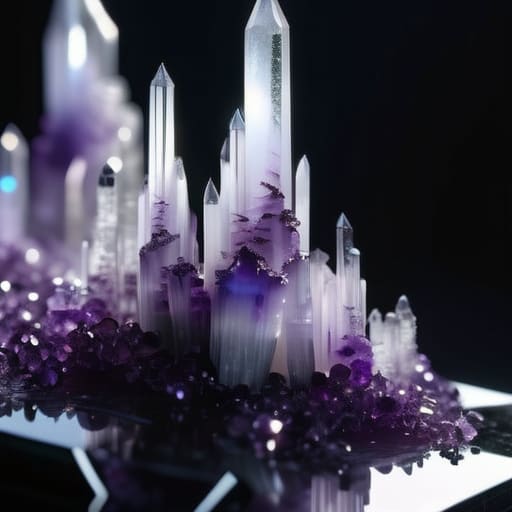
I spent six years hunched over a bench in a grading lab, staring through a loupe until my eyes burned, and if there is one thing I’ve learned, it’s that people love to wrap simple chemistry in layers of expensive, mystical nonsense. You’ll see shops online claiming that mercury and the stones tied to it possess some kind of cosmic, liquid energy that can rewrite your destiny, often charging a premium for stones that are nothing more than dyed glass or low-grade cinnabar. It’s frustrating because the actual science—the way these minerals form in hydrothermal veins or precipitate from elemental shifts—is far more fascinating than the sales pitch.
I’m not here to tell you whether a stone will change your life or align your chakras; that’s your business. My job is to strip away the marketing fluff and tell you exactly what you’re holding in your hand. I’ll show you the difference between a genuine specimen and a clever fake, and I’ll explain the mineralogy behind mercury and the stones tied to it so you can buy with confidence. Once you know the hardness, the cleavage, and the true composition, you can decide what to do with them.
Understanding Mercury and the Stones Tied to It
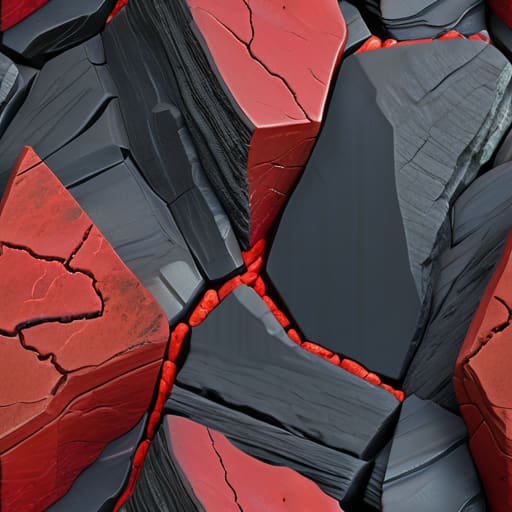
When we talk about mercury in a geological sense, we’re usually talking about cinnabar—the bright, heavy sulfide mineral that looks like a smear of wet, crimson paint against grey rock. But when people come to me asking about stones “tied to mercury,” they are rarely looking for a heavy metal specimen to put in a display case. They are usually looking for a way to navigate the chaos of their own minds.
In the world of astrology, mercury is the messenger, the one who keeps the gears turning. Because of this, I see a lot of people searching for zodiac stones for Gemini and Virgo to help steady their focus. They want something to anchor them when the mental chatter gets too loud. Whether you are looking for healing crystals for mental clarity or just something that feels grounded, the connection usually stems from that idea of movement—the way the planet moves, and the way our thoughts race. I don’t care if you’re using a stone to balance your chakras or just to have something pretty on your desk; I just want to make sure the mineral you’re holding is actually what the seller claims it is.
Key Things to Know
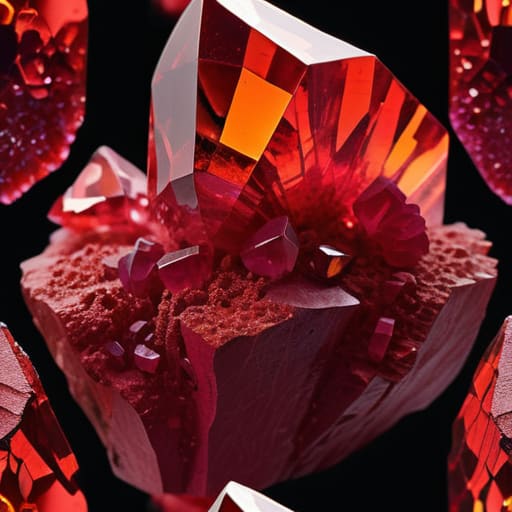
When you’re looking at stones associated with Mercury, you have to separate the geological reality from the astrological shorthand. In a lab, I look for specific mineral signatures, but in the shop, people are often looking for zodiac stones for Gemini and Virgo. Whether you’re interested in the planet’s influence or just like the way a stone looks, the first thing to know is that “mercury” in a mineralogical sense usually refers to cinnabar—a bright, red sulfide—while in the astrological sense, it’s about the energy of movement and thought.
If you are searching for healing crystals for mental clarity, you’ll often find people gravitating toward stones like fluorite or celestite. These don’t contain actual mercury, but they are frequently used as mercury ruling planet crystals in various traditions. I find it helpful to keep the distinction clear: one is a heavy metal ore, and the others are minerals chosen for their perceived ability to sharpen the mind. Knowing which is which helps you understand exactly what you’re holding in your hand.
Practical Tips and Steps
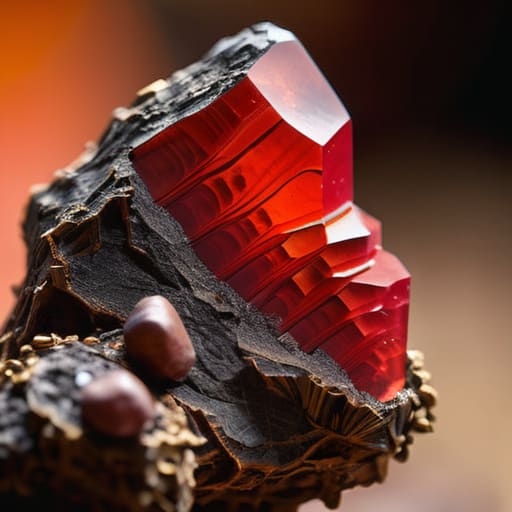
When you’re sitting at your desk or out in the field, the best way to approach these stones is to start with a loupe or a strong magnifying glass. If you’re looking at something like Cinnabar, don’t just take its word for it; look for that heavy, vibrant red that looks like a fresh wound on a wet rock. If the color looks too uniform or “painted on,” it’s likely a dyed imitation. I always check the weight, too. Mercury-associated minerals tend to have a density that feels slightly “off” or surprisingly heavy in the palm, almost like they’re pulling toward the earth.
Once you’ve confirmed you have the real thing, how you use it is entirely your call. Some people look for healing crystals for mental clarity to help steady a racing mind, while others lean into the more traditional astrological side. If you follow the zodiac, you might find yourself hunting for specific zodiac stones for Gemini and Virgo to align with those shifting energies. Whether you’re using them to ground yourself or just because you like the way they catch the light, just make sure you know exactly what mineral you’re holding first.
Common Mistakes to Avoid
The biggest mistake I see is people conflating the element mercury with the astrological concept of Mercury. If you’re looking for healing crystals for mental clarity because you’ve heard the planet is in retrograde, don’t go hunting for cinnabar. Cinnabar is a mercury sulfide mineral; it’s heavy, it’s toxic, and if you start grinding it up or heating it, you’re breathing in poison. I’ve seen too many people buy these stones for their bedside table because they want to lean into mercury retrograde crystal healing, completely ignoring the fact that the mineral itself is chemically hazardous.
Another trap is assuming a stone is “right” for you just because of a vague connection to the messenger god. People often grab anything shiny thinking it fits their zodiac stones for Gemini and Virgo, but they forget to look at the actual mineralogy. A stone might have the right “vibe” or color—like a deep, wet-looking red—but if it’s a synthetic imitation or a low-grade treated piece, it won’t have the weight or the structural integrity you expect. Don’t buy the story; check the hardness.
Final Thoughts
At the end of the day, whether you are looking for zodiac stones for Gemini and Virgo or just a piece of Cinnabar to sit on your desk, the science remains the same. I don’t care if you’re using a stone to anchor your focus or if you’re leaning into mercury retrograde crystal healing to navigate a messy week; my job is simply to make sure you know exactly what you’re holding in your hand. A stone is a physical reality—a specific arrangement of atoms and a history of pressure and heat.
If you can identify the mineral and understand its properties, you’ve already won half the battle. You won’t be surprised by a sudden color shift or a disappointing texture because you took the time to look closely. Once you have the real thing, the rest is entirely up to you. Whether you use them as stones for communication and intellect or just appreciate the way the light hits a well-cut facet, just make sure you’re doing it with something genuine.
The Chemistry of the Connection
People like to talk about mercury as if it’s a ghost in the machine, but I prefer to look at the chemistry; whether it’s the heavy, metallic sheen of cinnabar or the way a pyrite specimen sits in your hand, these stones are just the physical evidence of a very specific, very violent geological history.
Dagny Solheim
A Final Look at the Metal and the Mineral
At the end of the day, identifying mercury-associated minerals like cinnabar comes down to paying attention to the details that a glossy sales page might gloss over. You need to look for that specific, heavy density and be wary of anything that looks too perfect or too cheap to be true. Whether you are checking the hardness of a specimen or looking for the tell-tale signs of a synthetic substitute, remember that the chemistry doesn’t lie. Once you understand the difference between a genuine piece of earth’s history and a lab-grown imitation, you aren’t just buying a pretty object; you are securing something authentic.
I don’t care if you keep these stones in a velvet-lined box or if you use them as focal points for your meditation practice. My job ends once I’ve helped you see the stone for what it actually is—a complex arrangement of atoms and a survivor of geological time. There is a certain quiet satisfaction in holding a piece of the world that you actually understand. So, go ahead and find your piece, hold it close, and enjoy the weight of it. Whether you see it as a scientific marvel or a spiritual anchor, just make sure it is the real thing.