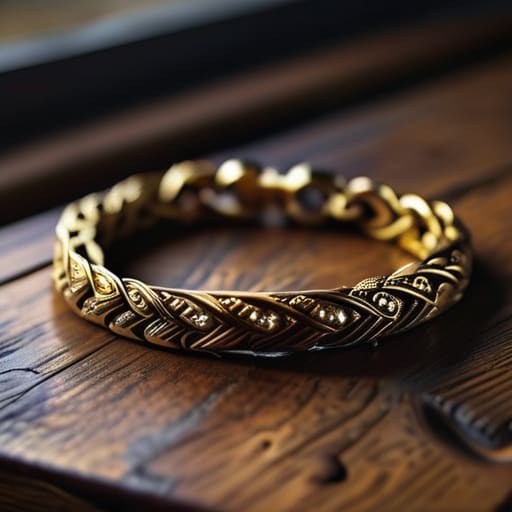
I spent six years hunched over a microscope in a grading lab, looking at the internal fractures and inclusions of stones that people called “miraculous.” I’ve learned that most jewelry marketing is just expensive noise designed to make you feel like you’re buying a piece of the cosmos rather than a mineral with a specific Mohs hardness. People often get caught up in the prestige of a heavy necklace or the delicate sparkle of an earring, but they miss the practical reality of why bracelets take more impact than any other jewellery. A ring is easily hidden by a sleeve or a desk, and a necklace stays tucked under a collar, but a bracelet is constant; it’s a rhythmic, moving piece of geology that lives in your peripheral vision.
I’m not here to sell you on the “energy” of a stone or tell you that a certain setting will change your destiny. What I will do is look at the mechanics of how these pieces actually behave on the body and how the weight and movement of different cuts can command a room. I’ll give you the honest, unhurried truth about how to choose pieces that actually hold their own, without the usual gemstone hype.
Understanding Why Bracelets Take More Impact Than Any Other Jewellery
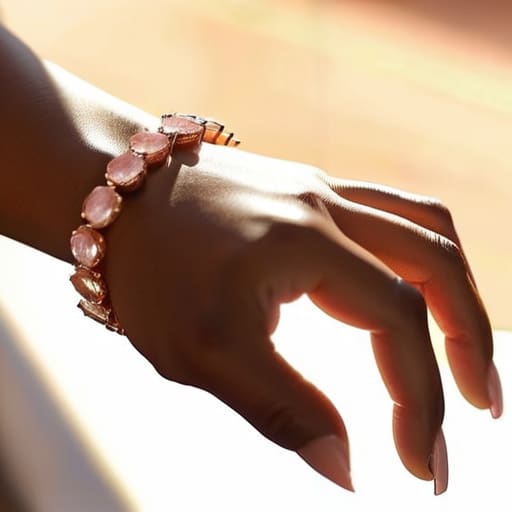
It comes down to physics and proximity. When you wear a ring, it sits relatively still on a finger, tucked away unless you’re gesturing. A necklace stays centered on your chest, largely unaffected by your daily motions. But a bracelet? It lives on the most active joint in your body. Every time you reach for a coffee mug, type on a keyboard, or push a door open, that stone is in motion. This constant kinetic energy is exactly why bracelets hit you harder than a ring or a necklace ever could; they are constantly moving within your field of vision, catching the light with every flick of the wrist.
Of course, that same movement is a double-edged sword. Because they are so active, you have to be much more mindful of preventing bracelet scratches compared to almost any other piece. You’ll see it all the time in the lab—stones that have been nicked because they knocked against a desk or a granite countertop. When I’m looking at a piece, I’m always considering the jewelry impact resistance comparison between a sturdy sapphire cabochon and something more delicate, like a thin rose quartz bead. If you’re wearing something precious, you have to accept that its beauty comes with a bit of a high-maintenance lifestyle.
Key Things to Know
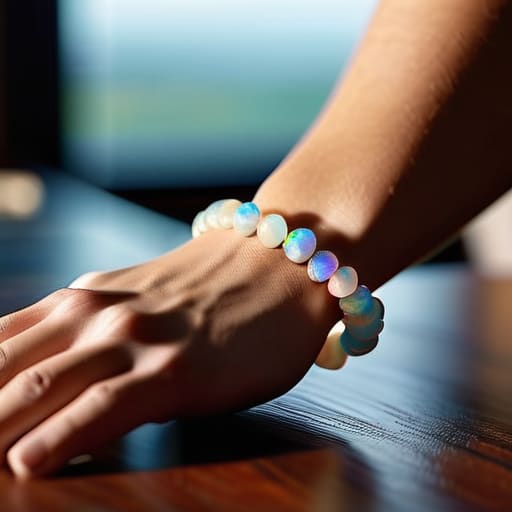
Because a bracelet lives on your pulse point, it’s constantly interacting with the world. Unlike a ring, which stays relatively tucked away, or a necklace that rests against your chest, a bracelet is a kinetic object. This constant motion is why you need to be mindful of fragile gemstone jewelry care. If you’re wearing a delicate piece with inclusions—something like an opal or a soft jade—the sheer physics of your arm hitting a desk or a doorframe can be punishing. I’ve seen too many beautiful stones develop hairline fractures simply because the wearer forgot that a bracelet isn’t a static ornament; it’s a moving target.
It isn’t just about the stones, either. You have to consider the metal. When you’re moving through a crowd or typing at a laptop, you’re dealing with constant friction. This is one of the common causes of bracelet breakage, where the links or the clasp undergo more stress than a pendant ever would. If you’re wearing gold or silver, you’ll notice the surface dulls faster on a bracelet due to this contact. To keep things looking sharp, you have to be more intentional about protecting precious metals on wrists than you would be with almost any other piece in your collection.
Practical Tips and Steps
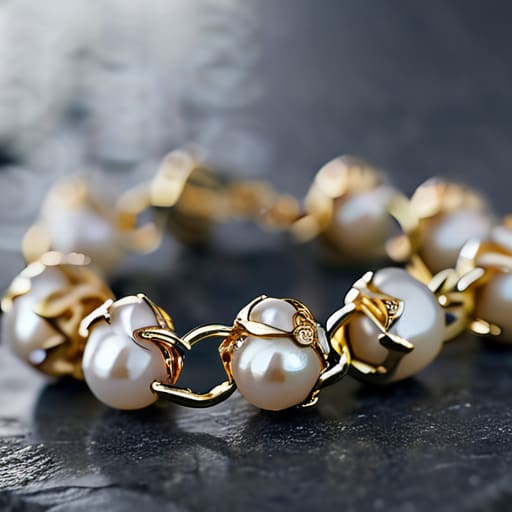
Since bracelets are constantly in motion, they face a different kind of wear than a ring or a pair of earrings. When you’re typing at a desk or reaching for a coffee, your bracelet is likely to strike hard surfaces. This constant friction is one of the most common causes of bracelet breakage, especially with delicate chain links or stones set in thinner prongs. If you are wearing something with softer stones, like pearls or opals, you need to be mindful of preventing bracelet scratches by avoiding contact with metal watch bands or rough granite countertops.
I always tell my clients to think about the environment they are stepping into. If you are wearing a heavy cuff or a piece with large, faceted stones, remember that its visibility is its vulnerability. To manage fragile gemstone jewelry care, I suggest storing different pieces in separate, soft-lined compartments. This prevents the stones from knocking against one another. It isn’t about being precious or fearful of the jewelry; it’s just about understanding that because they move so much, they require a bit more intention than a stone sitting quietly in a ring setting.
Common Mistakes to Avoid
The biggest mistake I see is treating a bracelet like a static piece of art rather than a tool of motion. Because they sit on the most active part of your body, people often forget about wrist movement jewelry damage. You aren’t just wearing a stone; you are swinging it against desks, doorframes, and even your own watch. I’ve seen beautiful, high-clarity sapphires—the kind that look like deep ocean water just before a storm—get dull because they’ve been knocked against hard surfaces a hundred times. If you aren’t mindful of how much you’re actually moving, you’re essentially inviting micro-abrasions to settle in.
Another trap is ignoring the physics of the setting itself. People often go for heavy, chunky pieces because they like the weight, but they overlook the common causes of bracelet breakage, like weak jump rings or thin metal prongs that can’t handle the constant shifting. When a stone is constantly dancing on your wrist, it’s under more mechanical stress than a ring sitting on a finger. If you’re wearing something with a softer mineral, like a light teal apatite, you need to be much more intentional about protecting precious metals on wrists and the stones they hold.
Final Thoughts
At the end of the day, a bracelet is a commitment. Unlike a pair of earrings that sits quietly by your face, or a ring that stays tucked against your palm, a bracelet is constantly interacting with the world. It’s catching the light every time you reach for a coffee cup or gesture during a conversation. Because they are so central to your movement, you have to be realistic about wrist movement jewelry damage. If you are wearing a piece with soft stones like opal or even certain pearls, you can’t just treat them like a steel watch.
I always tell people that the more impact a piece has, the more it needs a bit of respect. Whether you are worried about preventing bracelet scratches on a gold cuff or making sure a delicate gemstone setting stays secure, it’s all about balance. You don’t have to hide your jewelry in a velvet box to enjoy it, but knowing how your stones will react to the daily grind makes the whole experience better. Buy what you love, wear it with confidence, and just keep an eye on the friction.
The Kinetic Advantage
A ring sits still and waits to be noticed, but a bracelet is active; it catches the light every time you reach for a coffee or gesture while speaking, flashing like wet quartz under a break in the clouds. It doesn’t just sit there—it moves with you.
Dagny Solheim
The Final Word on the Wrist
At the end of the day, a bracelet isn’t just another piece of metal or a cluster of minerals; it is a piece of jewelry that lives in your peripheral vision. We’ve talked about why they command so much attention, from the way they catch the light when you reach for a coffee cup to the sheer visual weight they add to an outfit compared to a subtle ring. Whether you are choosing a heavy cuff of labradorite that flashes like the North Sea under a storm cloud, or a delicate string of faceted sapphires, remember that the impact comes from the movement. You aren’t just wearing a stone; you are wearing something that moves with your life.
I spend a lot of my time looking at stones through a lens, dissecting their chemical makeup and their flaws, but I never forget that jewelry is meant to be lived in. Don’t get so caught up in the technicalities of the cut or the perfection of the clarity that you forget the joy of the object itself. If a bracelet makes you feel a bit more grounded or simply catches your eye when you’re typing at your desk, then it has done its job. Buy what you love, learn how to spot the real thing, and then wear it until it becomes a part of you.
