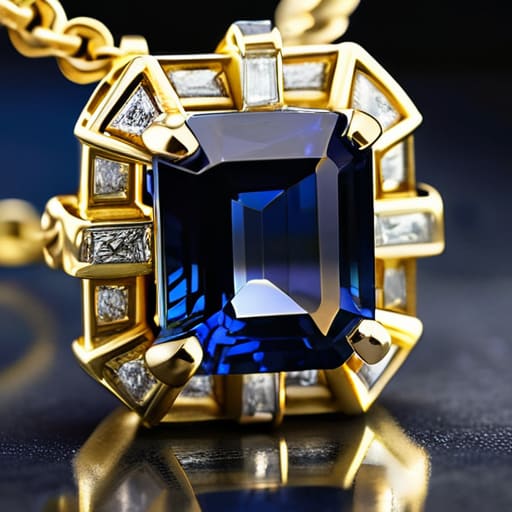
I remember sitting in a grading lab in Bergen, staring through a loupe at a massive, deep-teal sapphire that looked like the North Sea during a storm. It was a magnificent specimen, but the jeweler had tried to force it into a delicate, thin-wire filigree mount that looked like it would snap if you even breathed on it. People often think that a high price tag on a stone means you need to find some magical, “enchanted” way to wear it, but the truth is much more mechanical. If you don’t choose pendant settings that can carry a heavy stone, you aren’t just risking a broken chain; you’re risking the loss of the mineral itself.
I’m not here to sell you on “energy-aligned” gold alloys or some overpriced designer gimmick. I want to talk about structural integrity—the physics of how metal holds weight. I’ll walk you through the specific types of mounts, from heavy bezels to reinforced prongs, that actually work for substantial pieces. I’ll tell you which metals can handle the torque and which ones will bend out of shape, so you can secure your stone properly. Once it’s safely tucked into a setting that fits, what you do with it is entirely up to you.
The Truth About Pendant Settings That Can Carry a Heavy Stone
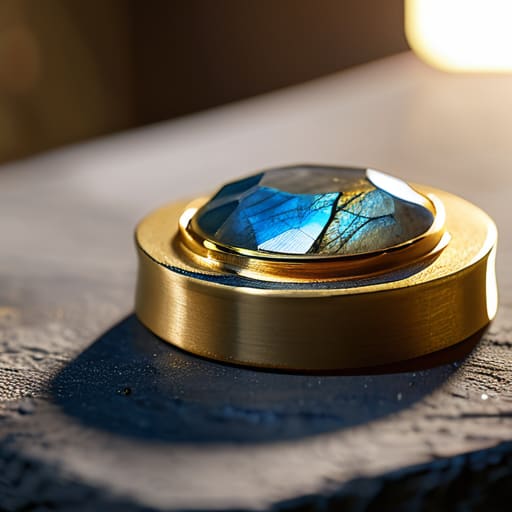
When you’re looking at a substantial piece—say, a chunky piece of Labradorite or a deep, sea-glass green tourmaline—the first thing you need to consider isn’t the sparkle, but the physics. I’ve seen too many beautiful stones end up on a shop floor because the metal simply couldn’t handle the leverage. If you are weighing up a bezel setting vs prong setting for weight, remember that a bezel provides a continuous wall of metal around the girdle. It’s much more forgiving for stones with irregular shapes or those that might be prone to chipping. Prongs are elegant, but they create specific points of failure; if one thin claw snaps, the whole stone is gone.
You also have to look closely at the structural integrity of jewelry pendants by checking the thickness of the backplate. A flimsy, hollow setting might look fine under a loupe, but once it hangs against your chest, it will flex. I always suggest looking for a solid base. If you’re choosing between metals, the durability of gold vs platinum mounts matters here too. Platinum is denser and stiffer, which helps keep a heavy stone from wobbling, whereas a lower-karat gold might offer more rigidity than a soft, high-karat alloy.
Bezel Setting vs Prong Setting for Weight Which Holds Fast
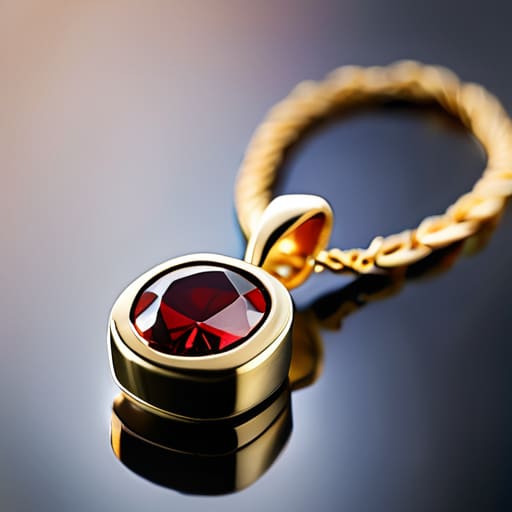
When you’re looking at the bezel setting vs prong setting for weight, you’re really deciding how much you want to trust a thin line of metal to do the heavy lifting. A bezel setting wraps the entire perimeter of the stone in a continuous band of metal. Because the stone is hugged from all sides, the structural integrity of jewelry pendants is significantly higher here. It’s the safest bet if you’re mounting a chunky piece of labradorite or a heavy garnet that you don’t want sliding around. It feels solid, almost like the stone is part of the metal itself.
Prong settings, on the other hand, rely on those little claws to grip the stone. They let in more light, which is great for showing off the fire in a sapphire, but they are more vulnerable. If you go this route with a large stone, you have to be picky about the jewelry metal thickness. I always tell people to look for thicker, more substantial prongs rather than those delicate, spindly ones you see in high-fashion windows. If the prongs are thin, a snag on a sweater is all it takes to lose a gem you’ve spent months searching for.
Why Jewelry Metal Thickness for Large Stones Cannot Be Ignored
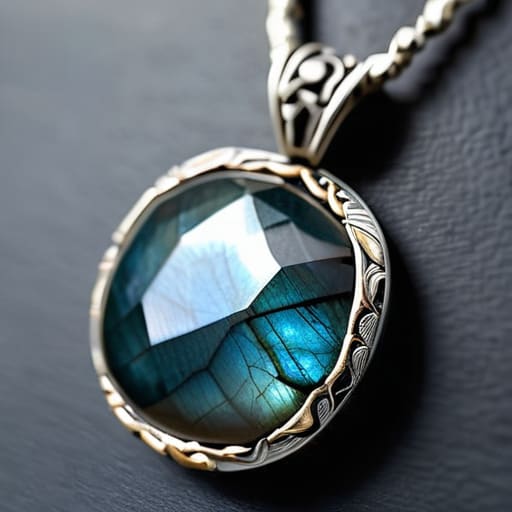
When you’re looking at a substantial stone—something with real heft, like a chunky Labradorite or a deep garnet—the metal isn’t just a frame; it’s the skeleton. I’ve seen too many beautiful pieces where the metal is so thin it looks like a piece of foil. If the wire or the plate is too spindly, the weight of the stone will eventually cause the metal to warp or pull away from the bail. This is where jewelry metal thickness for large stones becomes a non-negotiable factor. If the metal is too thin, it won’t have the tension required to stay seated, and you’ll find your stone wobbling like a loose tooth.
It’s not just about the setting style, either. You have to consider the structural integrity of jewelry pendants as a whole. A heavy stone puts constant, downward tension on the point where the pendant meets the chain. If that connection is flimsy, it doesn’t matter how secure your bezel or prongs are; the whole thing will eventually fail. I always tell people to look at the profile of the metal from the side. If it looks like it could be bent by a firm thumb press, it isn’t going to hold your heavy stone for long.
The Structural Integrity of Jewelry Pendants Under Real Pressure
When I’m looking at a piece under the loupe, I’m not just looking for inclusions; I’m looking for how the metal is behaving under the load. A heavy stone isn’t just a visual weight; it’s a constant, downward pull on the entire architecture of the piece. If the bail is too thin or the jump ring is poorly soldered, that weight acts like a slow-motion lever, eventually warping the metal or even snapping the connection entirely. You have to consider the structural integrity of jewelry pendants as a whole, not just the part touching the stone.
It isn’t just about the stone’s mass, either—it’s about how that mass interacts with the metal’s fatigue. If you are choosing between the durability of gold vs platinum mounts, remember that platinum’s density and strength allow for much more secure, compact designs for substantial pieces. Gold is lovely, but for a heavy specimen, you need a thicker gauge to prevent the setting from “opening up” over time. I’ve seen too many beautiful pieces fail because the maker focused on the sparkle and forgot that gravity is always working against them.
Durability of Gold vs Platinum Mounts for Your Heavy Gem
When you’re looking at the durability of gold vs platinum mounts, you have to look past the price tag and think about how the metal actually behaves under a load. Gold is lovely, but it’s soft. Even 18k gold, which is quite sturdy, will eventually “flow” or stretch over time if you have a heavy specimen pulling on the prongs. If you’re securing a large sapphire or a dense piece of garnet, gold might start to lose its shape after a few years of daily wear. It’s like walking on wet sand; it gives way if the weight is constant.
Platinum, on the other hand, is a different beast entirely. It’s much denser and has a higher melting point, but more importantly, it doesn’t wear away like gold does. When platinum is scratched, the metal is merely displaced rather than lost, which is vital for maintaining the structural integrity of jewelry pendants that carry significant weight. If you want a setting that stays exactly where you put it, platinum is the safer bet for heavy gemstone mounting techniques. It’s heavier, sure, but it won’t let your stone slip.
Heavy Gemstone Mounting Techniques to Prevent a Costly Loss
When you’re dealing with a stone that has real heft—think a chunky piece of Labradorite or a deep, teal sapphire—you have to move beyond standard commercial mounting. One technique I often look for is the basket setting. Unlike a simple prong, a basket provides a structural cradle that supports the stone from multiple angles, distributing that weight more evenly across the metal. It’s less about aesthetics and more about preventing the stone from acting like a wrecking ball against the bail of your necklace.
Another approach is the use of a reinforced gallery wire. If you are looking at the durability of gold vs platinum mounts, you’ll notice that platinum allows for finer, stronger wires that can handle the tension of a heavy piece without deforming. I’ve seen too many people try to force a large, heavy stone into a flimsy wire wrap, only to have the metal stretch out like saltwater taffy. When it comes to securing large gemstones in necklaces, you want a setting that feels like an architectural feat, not a temporary fix. If the mounting feels flimsy under your thumb, it will feel even more precarious once it’s hanging from your neck.
Securing Large Gemstones in Necklaces Without Compromising the Metal
When you’re dealing with a substantial piece—say, a chunky piece of Labradorite that looks like the North Sea under a storm cloud—the physics of the necklace itself becomes just as important as the mount. You can have the most secure setting in the world, but if the jump ring or the bail is too thin, the whole thing will eventually pull apart. I’ve seen too many beautiful, heavy stones end up on the floor because the wearer focused entirely on the gemstone and completely ignored the structural integrity of jewelry pendants.
If you are securing large gemstones in necklaces, you need to look at how the weight is distributed. A heavy stone shouldn’t just hang off a tiny loop; it needs a bail that is integrated into the design or wide enough to prevent the metal from warping over time. It isn’t just about the stone staying in the prongs; it’s about the metal not bending under the constant pull of gravity. When you’re choosing your piece, check that the connection point feels substantial, not spindly. It’s a simple bit of engineering, but it’s the difference between a piece you wear every day and one you’re too nervous to touch.
## The Weight of Reality
A heavy stone isn’t just a visual statement; it’s a physical force acting on a piece of metal. You can find a setting that looks beautiful under a loupe, but if the metal isn’t thick enough to handle the gravity of a two-carat sapphire, that beauty is just a countdown to a very expensive trip to the floor.
Dagny Solheim
Final Thoughts on Weight and Wear
At the end of the day, securing a heavy stone comes down to respect—respect for the mineral’s mass and respect for the metal’s limits. You can’t just slap a massive garnet or a chunky piece of labradorite into a flimsy, thin-walled wire loop and expect it to survive a Tuesday. You need to look for structural integrity, whether that means choosing a bezel to wrap the edges or ensuring your gold is thick enough to actually hold a shape. If the metal is too thin, it will warp; if the setting is too shallow, the stone will eventually find its way to the floor. Check the gauge of the metal and the strength of the bail before you commit.
Once you’ve done the technical work and found a setting that won’t fail, the science of the stone ends and your story begins. I don’t care if you wear that heavy piece of quartz because you love the way it catches the light like a wet river pebble, or if you carry it because you find comfort in its weight against your skin. My job is to make sure that when you reach for it, the stone is still exactly where it’s supposed to be. Find a mount that works, trust the chemistry of the metal, and then go out and wear it.