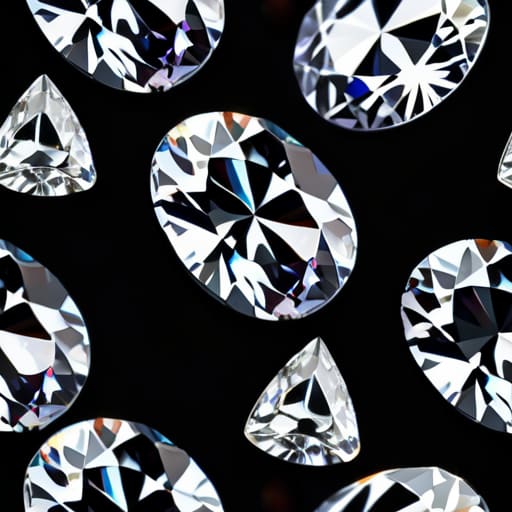
I spent six years hunched over a bench in a grading lab, staring through a loupe until my eyes felt like they were full of sand. I’ve seen the look on a client’s face when they realize the “brilliant” stone they just bought is actually just glass, and I’ve seen the look when they realize they’ve paid a diamond premium for a piece of cubic zirconia. There is so much noise in this industry—people trying to sell you magic or fear—but the truth is much simpler. You don’t need a degree to navigate the sea of colourless stones that pass for diamond at a glance, you just need to know what you are actually looking at.
I am not here to sell you on the “energy” of a crystal or to tell you that you need a massive budget to look elegant. My goal is to strip away the marketing fluff and give you the geological reality. I will tell you exactly what these stones are made of, how their hardness compares to a real diamond, and how to spot the imposters before you hand over your money. What you choose to do with that knowledge—whether you buy the real thing or settle for a beautiful substitute—is entirely your business.
Understanding Colourless Stones That Pass for Diamond at a Glance
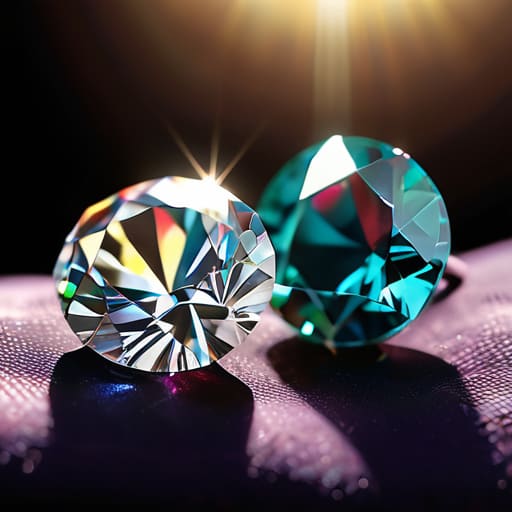
When you look through a loupe, the first thing that hits you isn’t the “magic,” it’s the way light behaves inside the crystal lattice. A diamond is a master of light because of its refractive index, but some lookalikes play by different rules. Take moissanite, for instance. It’s a silicon carbide crystal, and while it’s incredibly hard, it has a certain “fire” that can feel almost too much. In the lab, I often see people debating moissanite vs diamond brilliance; the moissanite often throws more rainbow flashes than a natural diamond, looking less like a quiet spark and more like a disco ball caught in a sunbeam.
Then you have the more subtle players, like white sapphire. It’s a corundum, just like a ruby, but without the chromium to turn it red. When it’s clean, the white sapphire clarity and sparkle are lovely, but the light stays more contained. It doesn’t dance quite as aggressively as a diamond. It’s a steady, calm kind of stone—the kind of clarity that reminds me of the North Sea on a bright, freezing morning. It doesn’t try to trick you with excessive glitter; it just sits there, being itself.
Key Things to Know
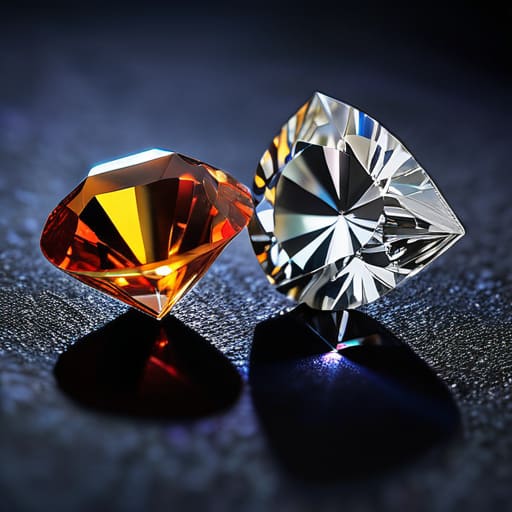
First, you have to look past the flash. When people talk about moissanite vs diamond brilliance, they are often surprised by how much “fire” the moissanite throws off. While a diamond reflects light in a way that feels steady and crisp, moissanite can look almost too busy, like sunlight hitting a shallow tide pool. It’s a different kind of light, more rainbow-heavy, and it’s one of the first things I notice when I pull my loupe out of my pocket.
Then there is the matter of how these stones hold up to the world. If you are looking at top clear gemstones for engagement rings, you aren’t just buying a look; you are buying a mineral that can survive a Tuesday. A cubic zirconia is fine for a costume piece, but it lacks the structural integrity of a real diamond or even a sapphire. I always tell people to check the hardness on the Mohs scale. A stone can look like a dream when it’s sitting in a velvet box, but if it scratches the moment you hit a granite countertop, the romance ends pretty quickly.
Practical Tips and Steps
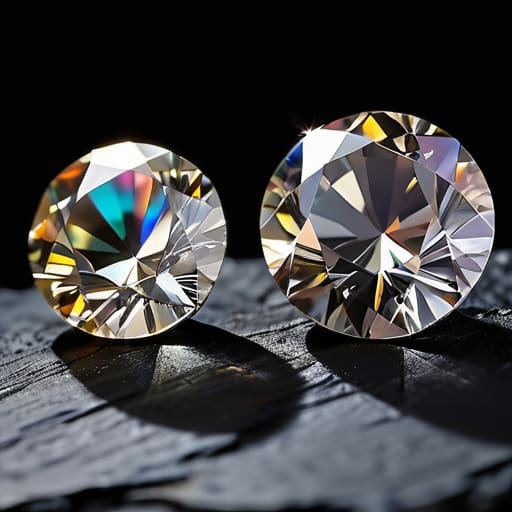
If you’re standing in a shop or scrolling through a website, start with the light. Diamonds have a specific way of absorbing and reflecting light that is hard to mimic perfectly. When you look at moissanite vs diamond brilliance, the difference is often in the “fire.” Moissanite is incredibly flashy—it throws off rainbow flashes that can look almost too dramatic, like sunlight hitting a wet piece of mica on a granite slab. If the stone looks like it’s trying too hard to be a disco ball, it’s likely not a diamond.
Next, check the physical reality of the stone. If you are looking at white sapphire, don’t expect that same high-octane glitter; instead, look for white sapphire clarity and sparkle, which tends to be more subdued and elegant, much like a clean piece of sea glass. If you’re eyeing something cheaper, like cubic zirconia, keep in mind the durability comparison. CZ is soft; it will develop tiny scratches that make it look cloudy very quickly. I always tell people: check the edges. A diamond stays sharp, while a simulants often look soft and rounded after a few months of wear.
Common Mistakes to Avoid
The biggest mistake I see is assuming that “clear” means “high quality.” People often walk into a shop, see a stone that looks like a drop of seawater on a sunny day, and assume it’s a diamond. They aren’t looking at the inclusions. In my years in the lab, I’ve seen countless people mistake white sapphire for diamond because they only looked at the color. But when you actually look closer, the white sapphire clarity and sparkle just don’t match the way a diamond plays with light. A sapphire is a beautiful, tough stone, but it lacks that specific, fiery “crushed ice” look that defines a diamond.
Another trap is falling for the “brilliance” argument without understanding the chemistry. You’ll see people comparing moissanite vs diamond brilliance and conclude that because the moissanite is flashier, it must be better. In reality, moissanite has a double refraction that can make it look almost too disco-ball-like. It’s a stunning stone, but it’s not a diamond. Don’t let a heavy amount of rainbow fire trick you into thinking you’ve found a bargain diamond when you’ve actually found a very bright piece of silicon carbide.
Final Thoughts
At the end of the day, whether you are looking for the ultimate symbol of commitment or just a beautiful piece of mineralogy to hold in your hand, the goal is the same: finding something that makes you happy. If you decide to go with a moissanite vs diamond brilliance debate, you’re choosing a stone that dances with light in a way a natural diamond rarely does. If you prefer the steady, quiet elegance of white sapphire, you’re choosing a different kind of story entirely.
I don’t care much for the “real vs. fake” argument that dominates most jewelry shops. To me, a stone is just a collection of atoms arranged in a specific geometry. If you find a lab-grown alternative or a clever simulant that catches the light like a piece of wet sea glass on a granite shore, then it has done its job. My advice is to know what you are holding. Once you understand the chemistry and the hardness, the decision of what to do with it is yours alone.
## A bit of perspective
A diamond is a specific arrangement of carbon, a hard-won piece of geological history. Most of these other stones are just different minerals playing dress-up in the same light. I can show you how to tell the difference between the real thing and a clever imitation, but once you know what’s sitting in your palm, what you choose to value about it is entirely your own business.
Dagny Solheim
Final Thoughts
At the end of the day, distinguishing between a diamond and its look-alikes comes down to looking past the initial flash. Whether you are holding a piece of Moissanite with its heavy fire, a Cubic Zirconia that feels a bit too “glassy” under the light, or a White Sapphire that lacks that specific, icy brilliance, the truth is in the chemistry. You need to check the hardness, observe how the light dances through the facets, and—if you’re serious—get a professional to look through a loupe. It isn’t about being cynical; it is about knowing exactly what you are paying for so you don’t walk away with a stone that doesn’t match your expectations.
I know people get caught up in the idea that a stone only has value if it carries a certain name or a massive price tag. But once you strip away the marketing, you’re just left with a beautiful arrangement of atoms that survived millions of years of heat and pressure. If a CZ brings you joy because it sparkles like sunlight on a wet granite rock, then wear it with pride. A stone’s history is written in its mineral structure, but its purpose in your life is entirely up to you. Just make sure you know the difference before you commit.
