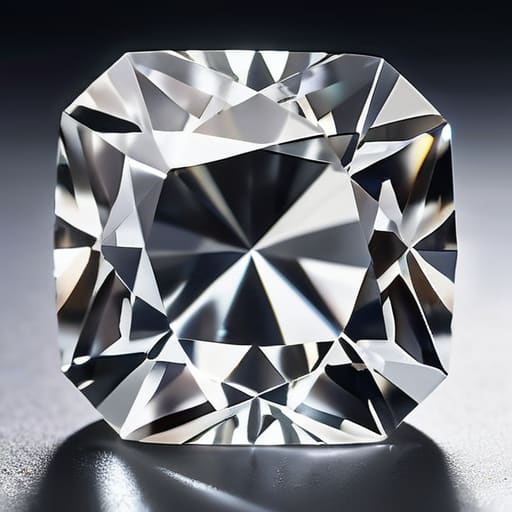
I spent six years in a grading lab where the light is unforgiving and the air is dry, staring through a loupe until my eyes felt like they were filled with sand. One thing I learned is that how a stone catches the light says more about its geometry than its carat weight. People often come to me stuck between two very different aesthetics, trying to figure out how crushed ice and chunky cushion cuts compared when it comes to the actual “life” of the diamond. You might see a stone that looks like a shimmering, frantic spray of light, or one that holds deep, quiet pools of color in its facets, and you’re left wondering which one is actually better for your hand.
I’m not here to tell you that one cut is more “valuable” or “superior” than the other—that’s just marketing fluff. What I will do is explain the physical reality of how these facets are arranged and how that affects the way light bounces around inside the crystal. I’ll show you why one looks like a shattered frozen lake and the other has those heavy, deliberate blocks of brilliance. Once you understand the mineralogy and the math behind the sparkle, you can decide which one speaks to you.
The Shimmer of Crushed Ice
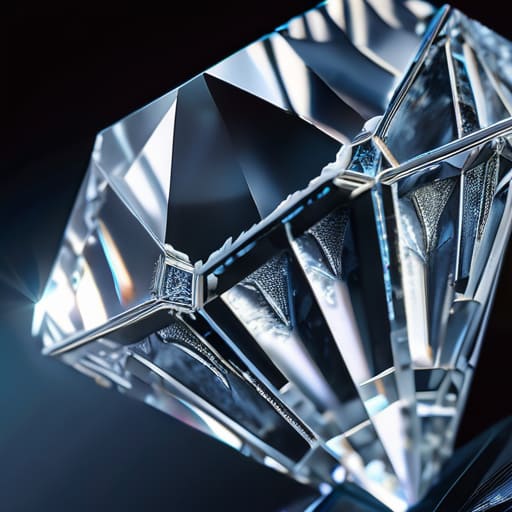
A crushed ice cut is a style of diamond facetting where the surface is covered in hundreds of tiny, shallow facets designed to maximize light scattering. By creating this dense network of microscopic planes, the cut achieves its primary goal of producing a constant, flickering brilliance that mimics the way light dances across a frozen surface.
When I look through my loupe at a stone with this level of detail, I don’t see a single focal point; instead, I see a frantic, beautiful energy. It reminds me of how the North Sea looks just after a storm hits—that restless, splintered light that seems to move even when the water is still. People tend to gravitate toward this look when they want their jewelry to catch every stray beam of light in a crowded room, providing a high-octane sparkle that never quite settles down.
The Depth of Chunky Cushion Cuts
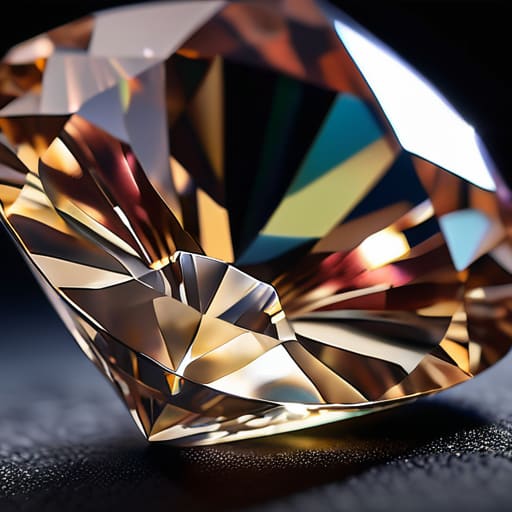
A chunky cushion cut is a larger, more traditional facet pattern characterized by broader, deeper facets and rounded corners. This style focuses on internal light return and structural depth, prioritizing the way light travels through the body of the stone rather than just bouncing off the surface.
To me, these stones feel much more grounded and substantial than the frantic shimmer of smaller facets. There is a weight to the light in a cushion cut; it looks like the deep, dark teal of a fjord where the sun has only just begun to penetrate the surface. While some might find the sparkle less “busy,” there is a quiet, soulful elegance in how the light pools within the stone. It is a cut for someone who wants to see the actual architecture of the gem, rather than just a flash of white.
Comparison of Ice Textures
| Feature | Crushed Ice | Chunky Cushion Cut |
|---|---|---|
| Texture | Small, irregular fragments | Soft, rounded cubes |
| Key Feature | High surface area | Slow melt rate |
| Best For | Blended drinks and slushies | Cocktails and soda |
| Mouthfeel | Sharp and crunchy | Smooth and refreshing |
| Cooling Speed | Rapid | Moderate |
| Visual Appeal | Messy/Granular | Premium/Sophisticated |
Understanding Crushed Ice and Chunky Cushion Cuts Compared
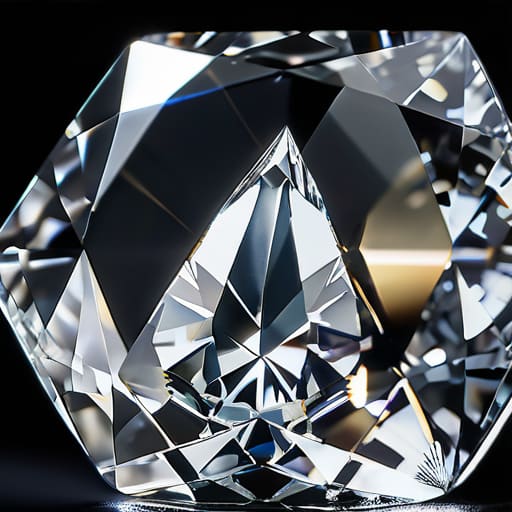
When you’re looking at a diamond through a loupe, the way light is sliced determines whether the stone feels like a living thing or just a piece of glass. Choosing between these two isn’t about finding the “better” diamond; it’s about deciding how you want the light to interact with the room. If you don’t understand this distinction, you might end up with a stone that looks far too busy for your taste, or one that feels unexpectedly heavy and quiet.
The crushed ice cut is all about frantic, microscopic movement. It uses a multitude of tiny facets to break light into a spray of tiny sparkles, much like the way sunlight hits the surface of the North Sea on a choppy, wind-swept day. It’s high-energy and constant. In contrast, the chunky cushion cut focuses on larger, broader facets. Instead of a thousand tiny flashes, you get deep, rhythmic pools of light that feel more substantial and anchored.
In terms of pure visual impact, there isn’t a single winner, but if you want a stone that demands attention through sheer kinetic energy, the crushed ice cut takes the prize.
Key Things to Know
When you’re looking at a stone under a loupe, it’s easy to get lost in the sparkle and forget that these cuts behave differently in the real world. Knowing the mechanics of how light hits these facets isn’t just for gemmologists; it’s about knowing how your stone will actually act when you move your hand.
If you go with a crushed ice cut, you’re choosing a surface that behaves like a thousand tiny mirrors. It creates a constant, shimmering movement that looks almost like sunlight hitting a choppy sea. It’s mesmerizing, but because the facets are so small, it can sometimes mask the natural depth of a high-quality stone.
A chunky cushion cut is the opposite; it’s about structural integrity and bold flashes of light. Instead of a continuous shimmer, you get distinct “pops” of brightness. This cut tends to hold its character better under different lighting conditions, whereas crushed ice can sometimes look a bit “busy” or even slightly cloudy if the stone isn’t perfectly clear.
For those seeking a stone with a sense of weight and presence, the chunky cushion cut takes this round.
Practical Tips and Steps
When you’re actually standing in a jeweler’s shop or unboxing a stone at home, theory doesn’t matter—only what your eyes see in the light. This is where the distinction between these two cuts becomes a practical reality rather than just a technicality. Knowing how to test them prevents that sinking feeling of realizing a stone looks completely different than it did in a tiny, backlit website thumbnail.
If you are looking at a crushed ice cut, you need to move your head constantly. Because the facets are so small and numerous, the light dances in a frantic, shimmering way that can look like a blur if you stay still. I always tell people to check it under natural, indirect sunlight; if it looks like a frantic spray of salt crystals, you’ve found the crushed ice effect.
Chunky cushion cuts require the opposite approach. You want to look for those deep, broad flashes of color—the kind of light that looks like dark seawater hitting a granite shelf. Instead of looking for a constant shimmer, look for the way the light “pools” in the larger facets. For sheer ease of inspection, the chunky cushion wins here; it’s much harder to mistake for something else once you know what to look for.
## The Difference in the Light
One cut is a frantic dance of tiny, splintered reflections that look like sunlight hitting a frozen tide pool, while the other is a slow, heavy glow that reminds me of how a thick slab of ice looks when it’s just started to melt. Neither is ‘better’—one is a shimmer and the other is a weight—but you should know which one you’re actually buying before you decide how it makes you feel.
Dagny Solheim
Choosing Your Light
At the end of the day, deciding between these two cuts comes down to how you want the light to behave when it hits the stone. If you want that frantic, shimmering energy that looks like sunlight hitting a patch of broken sea ice, the crushed ice cut is your winner. It’s all about those tiny, scattered facets that create a constant dance of brilliance. On the other hand, if you prefer something that feels more grounded—something with larger, broader planes of light that look like deep pools of water under a midday sun—the chunky cushion cut is what you’re looking for. One is a frantic sparkle, the other is a steady, rhythmic glow, but both are structurally sound ways to showcase the mineral’s natural clarity.
I spent years looking through a loupe, trying to find some objective truth in a stone, but I eventually realized that the “best” cut is entirely subjective. Whether you choose the high-octane flash of the crushed ice or the soulful, heavy weight of a chunky cushion, you are holding a piece of the earth’s history in your hand. Don’t let the technical jargon or the sales pitch override your own eyes. If a stone makes you stop walking or makes you feel a certain way when the light catches it, then it is the right stone for you. The geology is fixed, but the way you experience it is entirely your own.
