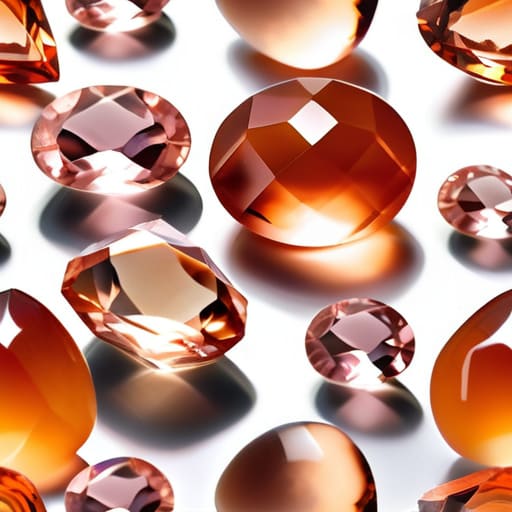
I spent six years hunched over a microscope in a grading lab, and if there is one thing that drives me mad, it’s the way the market tries to sell “magic” instead of mineralogy. People will spend a fortune on a stone because a website promised it carries a certain vibration, but they often end up with nothing more than dyed glass or a synthetic crystal that has no business being called a natural treasure. When you start looking for peach gemstones and the stones that reach that shade, you quickly realize that the industry loves to blur the lines between a genuine, complex mineral and a cheap imitation that just happens to look like a sunset.
I’m not here to sell you a dream or a spiritual awakening, though you’re welcome to find your own meaning in the stones once you own them. My goal is much simpler: I want to show you the actual chemistry behind these colors. I’ll walk you through the real players—from morganite to peach tourmaline—and teach you how to spot the difference between a high-quality specimen and a piece of colored junk. We are going to look at the hardness, the inclusions, and the truth of what is sitting under your loupe.
Understanding Peach Gemstones and the Stones That Reach That Shade
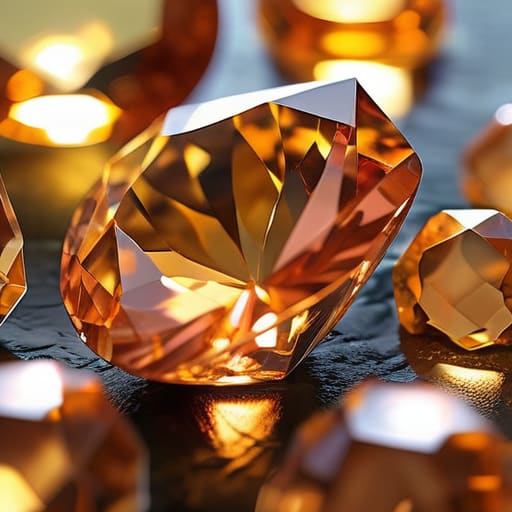
When we talk about this color, we aren’t talking about one single mineral. In the lab, “peach” is a moving target on the gemstone color spectrum guide. To me, it’s a spectrum of light that looks like the surface of the North Sea just as the sun hits it—a soft, translucent glow that sits somewhere between a bruised apricot and a pale salmon. You might see citrine peach hues in a faceted quartz that looks like warm honey, or you might find something much more structural, like a high-quality beryl.
The variety is what usually trips people up. You have the morganite gemstone properties to contend with—a pinkish-orange beryl that is quite hard and clear—but then you have stones like peach moonstone, which carries a milky, ethereal quality rather than that crystalline clarity. Then there are the sapphires. A peach sapphire shade is often much more saturated and deep than a moonstone, possessing a weight and a refractive index that tells you exactly what you’re holding. Each one has a different chemical makeup, and knowing that difference in composition is the first step to knowing if you’ve found something special.
Key Things to Know
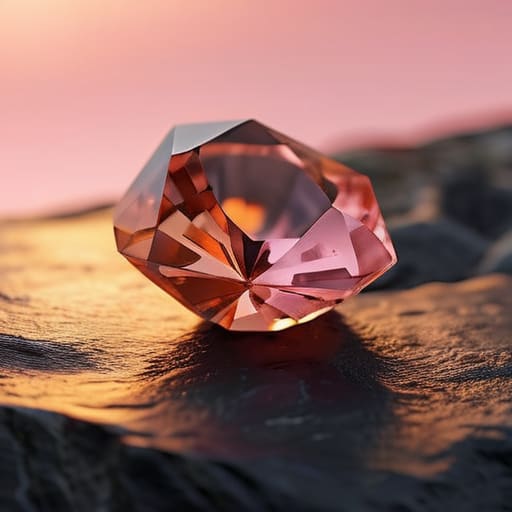
First, you need to understand that “peach” isn’t a mineral classification; it’s a description of how light bounces off a surface. When I look at a stone, I’m looking for the chemistry behind that warmth. You’ll see morganite gemstone properties that lean toward a soft, translucent pink, while a high-quality peach sapphire might have a much deeper, more saturated glow—the kind of color you see in a sunset just before the light hits the water.
It’s also vital to distinguish between a solid color and an optical effect. For instance, when people talk about peach moonstone characteristics, they aren’t just talking about the base color, but that milky, shifting glow that happens when light hits the internal layers of feldspar. Some stones are sheer and glassy, while others are cloudy and opaque. I’ve spent enough time behind a loupe to know that a stone’s “vibe” usually comes down to its inclusions and how it handles light. Whether you want a stone for its chemical rarity or just because you like the way it looks on your finger, knowing the difference between a solid hue and an optical trick is the best place to start.
Practical Tips and Steps
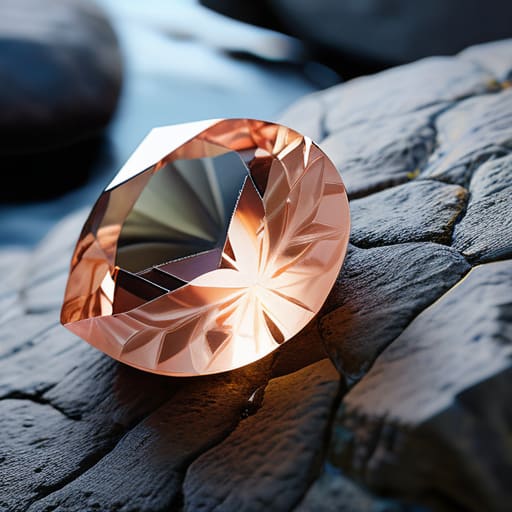
When you’re looking at a stone through a loupe, the first thing I do is check how the light interacts with the surface. If you’re hunting for something like morganite, don’t just look for the color; look for the clarity. Real morganite should have a certain depth, like a slice of fruit just pulled from a cold stream. If the color looks like it’s just sitting on the surface—flat and painted on—you might be looking at a dyed quartz. I always tell people to check the edges of the color; in a natural stone, the saturation usually shifts slightly where the light hits the facets.
If you find yourself drawn to the softer, more ethereal side of the pinkish orange gemstone varieties, pay close attention to the play of light. For instance, when examining peach moonstone characteristics, you’re looking for that subtle, milky glow that seems to move beneath the surface. It shouldn’t look like a glittery coating; it should look like a fog rolling over the North Sea. If the glow feels “stuck” or looks like tiny metallic flakes, it’s likely a synthetic imitation. Take your time. The best stones don’t reveal everything in the first five seconds.
Common Mistakes to Avoid
The biggest mistake I see is people assuming a specific color means they’ve found a specific mineral. You’ll see a shop listing something as a high-end morganite gemstone, but the moment you look through a loupe, the internal structure tells a different story. Often, what’s being sold as a rare peach sapphire is actually just a low-grade glass or a heavily treated quartz. I always tell people to look past the initial “wow” factor of the color. If the hue looks too uniform—like it was poured into a mold—it’s likely not a natural stone.
Another trap is ignoring the subtle variations within the pinkish orange gemstone varieties. I’ve seen collectors pass over incredible stones because they weren’t “perfectly” peach, or conversely, they’ve spent a fortune on something that was actually just citrine with peach hues achieved through heat treatment. Real stones have character; they have tiny inclusions or slight shifts in saturation that look like the color of a shoreline after a heavy rain. Don’t let a search for perfection blind you to the actual mineralogy.
Final Thoughts
At the end of the day, whether you are hunting for the soft glow of peach moonstone characteristics or the sharp, clear brilliance of a faceted sapphire, you are really just looking for a specific way that light hits a mineral. I don’t care much for the marketing fluff that tries to attach grand cosmic meanings to a piece of beryl or feldspar. To me, a stone is most beautiful when it is simply itself—a specific arrangement of atoms that happens to catch the light in a way that looks like a sun-drenched shoreline.
If you take anything away from this, let it be this: trust your eyes, but verify with the facts. Don’t be afraid to ask for a certificate or a loupe if a seller is pushing a stone that looks too perfect to be natural. There is a massive gemstone color spectrum guide out there, and while many pinkish orange gemstone varieties can look similar to the untrained eye, their hardness and chemistry will always tell the truth. Once you know what you’re holding, the rest is up to you.
The Truth in the Hue
When you’re looking at a stone that holds that soft, peach-fuzz glow, don’t get distracted by the marketing claims about its energy; look at the inclusions and the way the light hits the crystal structure instead. A Morganite or a peach Sapphire has a specific chemistry that tells a story of heat and pressure, and once you know the mineral, you can stop worrying about whether the seller is telling the truth and just start enjoying the way it looks in the light.
Dagny Solheim
A Final Look at the Peach Spectrum
When you are out there hunting for that specific, soft glow, remember that “peach” is just a way we describe a slice of the light spectrum. Whether you end up with a high-grade Morganite, a cloudy Peach Moonstone, or even a piece of Carnelian that looks like a sun-drenched tide pool, the mineralogy remains the constant. We have looked at how to spot the difference between a genuine beryl and a glass imitation, and how to appreciate the unique inclusions that prove a stone was actually born in the earth rather than cooked in a lab. Don’t let the marketing jargon confuse you; focus on the hardness, the clarity, and the way the light moves through the crystal lattice.
At the end of the day, my job is to tell you what is happening inside the stone, but your job is to decide why it matters to you. If a piece of peach-colored quartz brings you a sense of calm during a morning walk, or if a faceted gemstone makes you feel a bit more connected to the world, then it has done its work. I don’t care much for the mysticism, but I do care about the connection between a person and a piece of the planet. Find the stones that speak to you, verify they are what they claim to be, and then enjoy the history you are holding in your hand.
