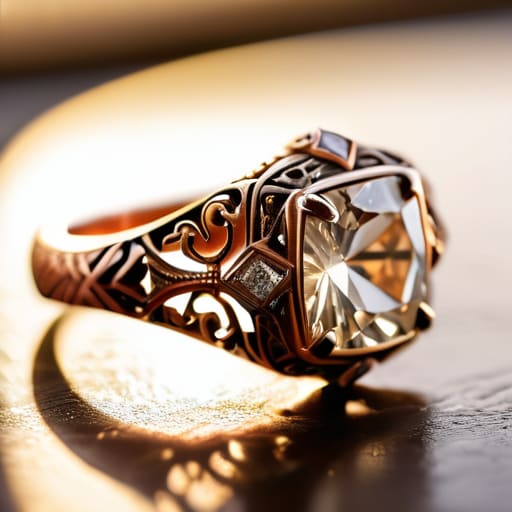
I spent six years hunched over a bench in a grading lab, staring through a loupe until my eyes felt like they’d been scrubbed with sand, and if there is one thing I’ve learned, it’s that “vintage” is often just a marketing term used to inflate a price tag. You’ll see a jeweler point to a modern, machine-perfected stone and claim it has that soulful, cushion cut and the antique look it carries, but to me, it just looks like a standard brilliant cut with slightly rounded corners. There is a massive difference between a stone that was actually cut by hand to play with light in a specific way, and a modern diamond that’s just been coerced into a soft shape by a laser.
I’m not here to sell you on the magic or the “energy” of a gemstone; I’m here to talk about the geometry and the history. In this post, I’ll show you how to distinguish a true antique-style cut from a modern imitation by looking at the facet patterns and the way the light actually behaves. I’ll give you the technical reality of what makes a cushion cut look old, so when you finally find “the one,” you know you’re buying substance, not just a clever label.
Understanding Cushion Cut and the Antique Look It Carries
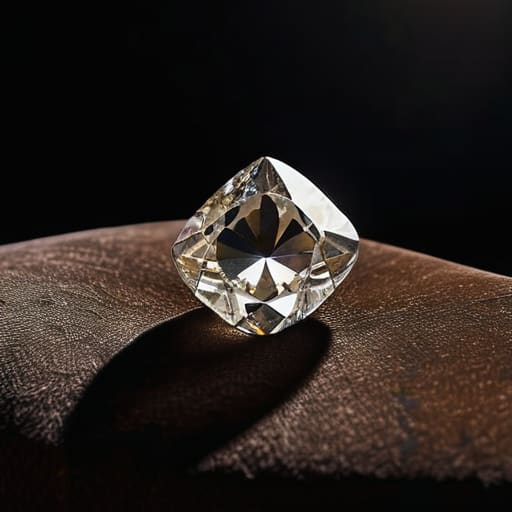
When you look at a cushion cut, you aren’t looking at the mathematical perfection of a modern brilliant cut. Instead, you’re seeing a shape that prioritizes character over pure light return. These stones have rounded corners and a slightly more “pillowy” appearance, which creates those soft faceted gemstone aesthetics that feel so much warmer than a sharp, clinical princess cut. Because the facets aren’t always perfectly symmetrical, the light doesn’t just bounce out in a predictable pattern; it dances around inside, giving the stone a depth that feels alive.
It is easy to get confused when browsing, especially when trying to distinguish an old mine cut vs cushion cut. While they share that romantic, hand-cut soul, the old mine cut is often more irregular and “chunkier,” whereas a cushion cut is a more defined shape that has evolved over time. This versatility is why they are the backbone of so many romantic vintage jewelry styles. Whether you are looking for something that feels like a heavy heirloom from a grandmother’s velvet box or something slightly more refined, the cushion cut manages to bridge that gap between history and wearability.
Key Things to Know
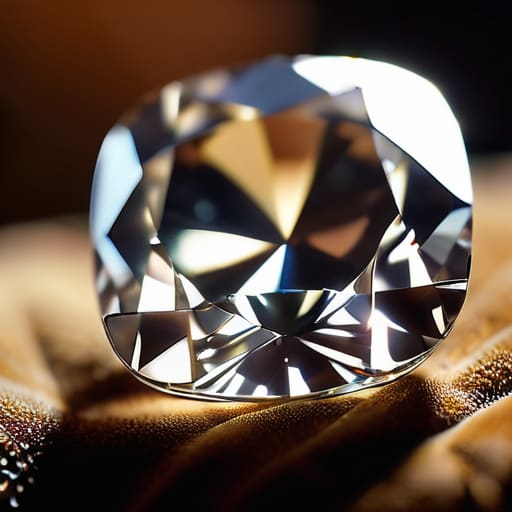
When you’re looking at a stone under a loupe, the first thing you’ll notice is that the light doesn’t behave like it does in a modern, laser-cut brilliant. In a cushion cut, the light tends to pool and dance in a way that feels much more organic. You aren’t looking for that aggressive, mathematical flash; instead, you’re looking for soft faceted gemstone aesthetics that prioritize character over perfection. If the facets look a little irregular or the symmetry isn’t surgically precise, don’t panic. That’s often where the soul of the stone lives.
It is also worth getting your terminology straight before you spend any money. People often conflate an old mine cut vs cushion cut, but they are distinct branches of the same family tree. An old mine cut is typically more blocky and less symmetrical, whereas a cushion cut can range from a very modern, crisp shape to something that looks like it was pulled straight from a Victorian velvet box. Whether you are hunting for romantic vintage jewelry styles or just want a stone that feels like it has a history, knowing whether you want “perfect” or “patina” is your first real step.
Practical Tips and Steps
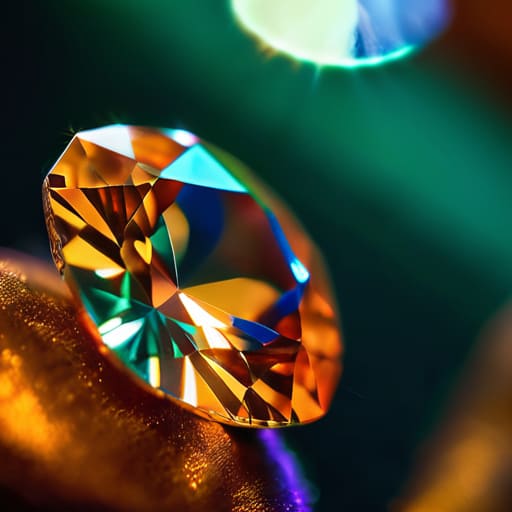
If you’re hunting for something that feels like it was pulled from a grandmother’s velvet jewelry box, start by looking at the light. When comparing an old mine cut vs cushion cut, remember that the older cuts were often hand-cut with less mathematical precision. This means you aren’t looking for that sterile, laser-perfect sparkle you see in modern mall jewelry. Instead, look for “fire”—those flashes of color that dance when the stone moves. A true cushion cut should have a certain depth, a way of holding light that feels heavy and intentional, much like the soft faceted gemstone aesthetics found in heirlooms.
When you’re actually at the jeweler or browsing online, don’t get distracted by a high carat weight alone. A large stone with poor proportions can look flat and lifeless. I always suggest looking for a slightly “pillow” shape rather than a perfect square; that subtle softness is what gives antique-inspired engagement rings their soul. Check the facets under a loupe if you can. If the reflections look too uniform and robotic, it’s likely a modern cut trying to masquerade as something old. You want a stone that has a bit of character, even if that character comes from a few tiny, imperfect inclusions.
Common Mistakes to Avoid
The biggest pitfall I see is people mistaking a modern, precision-cut stone for something with actual history. A lot of retailers will slap a “vintage-style” label on a stone that has been cut with laser-perfect symmetry and high-tech facets. While those look great under a spotlight, they lack the soulful, slightly irregular play of light that defines true antique pieces. If you are looking for that specific Edwardian era diamond characteristic, you shouldn’t be looking for a stone that is mathematically perfect. You want something that feels a bit more organic, even if it’s a modern recreation.
Another mistake is getting tripped up by the terminology, specifically when comparing an old mine cut vs cushion cut. They aren’t the same thing, though they share a certain DNA. An old mine cut is often more chunky and less symmetrical, whereas a modern cushion might feel too “crisp.” If you’re aiming for those romantic vintage jewelry styles, don’t settle for a stone that looks like it was sliced by a machine yesterday. Look for those soft faceted gemstone aesthetics that allow the light to dance rather than just bounce off a hard surface.
Final Thoughts
At the end of the day, whether you are hunting for a genuine heirloom or just want the look of one, don’t let the terminology intimidate you. There is a massive difference between an authentic old mine cut vs cushion cut, and knowing that distinction helps you understand why some stones look like they’re glowing from within while others just look bright. If you find a stone that catches your eye, look for that soft, slightly irregular light. That’s where the soul of the piece lives.
If you end up choosing an antique-inspired engagement ring, you’re making a choice for something that feels lived-in and storied. You might be pairing it with romantic vintage jewelry styles or something much more stripped back, and honestly, both work. I don’t care if you’re buying it because you love the geological history of the facet pattern or because you just think it looks beautiful on your hand. A good stone is a good stone, and if it makes you happy, you’ve done your job right.
The soul in the facet
A modern brilliant cut is designed to be a machine for throwing light, but a cushion cut—especially an older one—is more interested in the way the light dances. It has a soft, pillowy glow, like a stone pulled straight from a tide pool, and that’s where its real character lives.
Dagny Solheim
Finding Your Own Piece of History
At the end of the day, choosing a cushion cut comes down to knowing exactly what you are looking at. You want to look past the marketing fluff and focus on the actual geometry—the way the facets play with light and whether that “antique” feel is genuine or just a modern machine-cut imitation. Remember to check for those characteristic rounded corners and the slightly deeper pavilion that gives the stone its soul. If you can spot the difference between a stone that was built to sparkle like a disco ball and one that was cut to glow with a soft, internal warmth, you’ve already won half the battle. It’s about respecting the mineral composition and the craftsmanship as much as the aesthetic.
Whether you are buying this stone to wear as a family heirloom or simply because you love the way the light hits it while you’re sitting by a window, that is your prerogative. I don’t care if you see it as a geological marvel or a lucky charm; I just want you to know that you are holding something with a profound sense of weight and history. A good cushion cut doesn’t just sit on your finger; it feels like it has already lived a thousand lives before it ever reached your hands. So, go ahead and find the one that speaks to you, and enjoy the story it tells.
