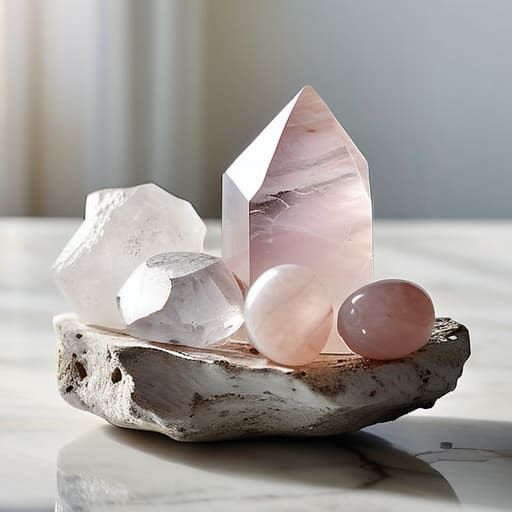
I’ve spent enough time under a loupe to know that most people selling “relationship crystals” are just selling expensive pebbles and a lot of vague promises. You’ll see shops claiming that a specific rose quartz will magically fix a failing marriage, but that’s not how geology—or life—works. When you are choosing a stone with the seventh house of partnership in mind, you shouldn’t be looking for a miracle cure; you should be looking for something real. I’ve seen too many people spend a month’s rent on a piece of glass that someone swirled with dye, all because a salesperson told them it was “vibrationally aligned” with their marriage.
I’m not here to sell you on cosmic magic, but I am here to help you find something solid. I’ll show you the actual minerals that people traditionally link to partnership, what they are composed of, and—most importantly—how to spot the fakes and treatments that the industry tries to pass off as natural. Once you have a stone that is chemically and structurally what it claims to be, what you do with it for your rituals is entirely up to you.
The Seventh House Astrology Meaning Beyond the Romantic Hype
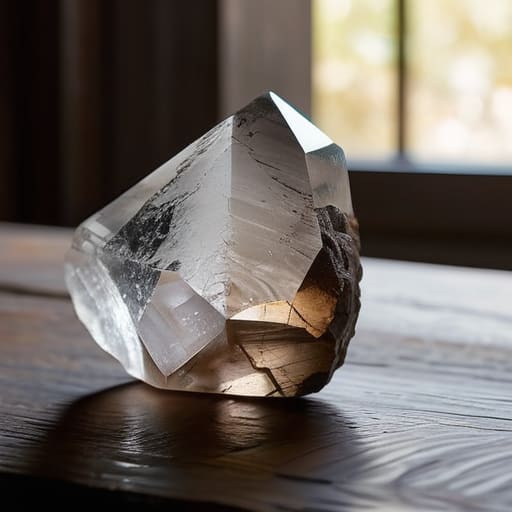
When people talk about the seventh house, they usually lean into the heavy romanticism—the “soulmate” talk that fills up most of my social media feeds. But if you look at the actual astrological house placements for love, it isn’t just about the lightning bolt moment of meeting someone. It’s about the mechanics of how two people actually sit in a room together. In astrology, the seventh house governs the “other”—the person who isn’t you, the mirror that reflects your own shadow back at you. It’s about contracts, legalities, and the daily work of staying in a partnership.
I see a lot of people looking for healing crystals for soulmate connections, hoping a stone will bridge a gap that needs communication instead. While I don’t believe a piece of quartz can do the heavy lifting of a difficult conversation, I do understand why people use them to set an intention. If you are looking at gemstones for partnership harmony, think of them as anchors rather than magic wands. They don’t change the astrology, but they can help you focus on the stability that the seventh house is actually asking for.
Choosing a Stone With the Seventh House of Partnership in Mind
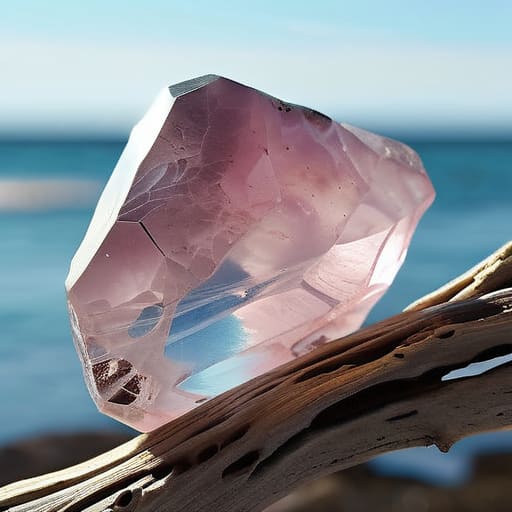
When you start looking for gemstones for partnership harmony, you’ll quickly realize that the market is flooded with “love stones” that are actually just cheap glass or dyed quartz. If you’re looking for something to represent commitment, I usually steer people toward Rose Quartz or Morganite. Real Rose Quartz should have a milky, translucent depth—think of the color of a pale sky just before a storm hits. If it looks too neon or perfectly clear, it’s likely synthetic. For something more substantial, look at Aquamarine. A genuine specimen has a cool, watery blue, like the North Sea on a clear morning, and you should see tiny, natural inclusions under a loupe.
The goal isn’t to find a magic rock that fixes a broken engagement, but rather to use these stones as a way of balancing relationship energy with stones that feel grounded. If you are focusing on astrological house placements for love, you might want something that feels more “permanent,” like a Sapphire. A real Sapphire has a structural hardness that a piece of glass simply cannot match. Whether you keep it in a ring or just sit it on your nightstand, once you’ve verified the mineral is the real deal, the rest is up to you.
Astrological House Placements for Love Identifying the True Essence
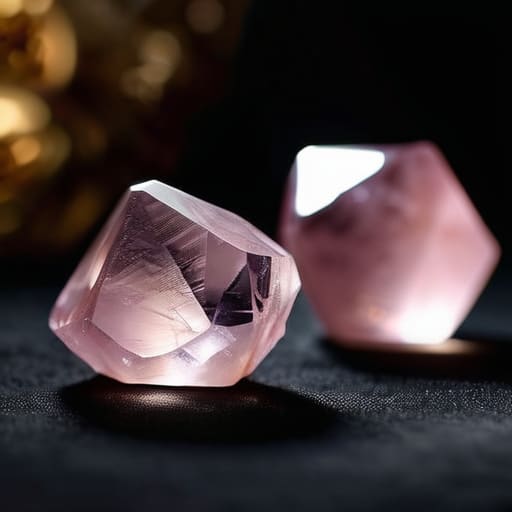
When people talk about astrological house placements for love, they usually fixate on the seventh house, but that’s a bit like looking at a single facet of a diamond and claiming you’ve seen the whole stone. To get a real sense of how your chart handles connection, you have to look at the interplay between the fifth house—that raw, unrefined spark of attraction—and the seventh. While the fifth is the rush of a first date, the seventh is the long-term architecture of a life shared.
If you are looking for gemstones for partnership harmony, you aren’t just looking for something “pink” or “pretty.” You are looking for stones that mirror the specific energy required to bridge those houses. For some, the work is about balancing relationship energy with stones that ground the flightiness of the fifth house, like garnet or smoky quartz. For others, it’s about finding the clarity needed for the seventh house’s contracts and commitments. I find that once you understand which part of your chart is feeling the most friction, the mineral choice becomes a lot more logical and a lot less like guesswork.
Crystals for Marriage and Commitment Real Stones Not Just Promises
When people come to me looking for crystals for marriage and commitment, they usually want something that feels permanent. They want a stone that won’t crumble when things get difficult. I tend to point them toward Rose Quartz, but not the cheap, milky pink plastic versions you see in gift shops. Real Rose Quartz should have a soft, translucent glow—like the color of a salmon’s belly just after it’s been pulled from the fjord. If it looks opaque and chalky, it’s likely low-grade or even dyed. For something more substantial, I suggest Rhodonite. It’s a manganese silicate with beautiful black veins, and it feels much more grounded for long-term stability.
If you are looking for gemstones for partnership harmony, you might also consider Morganite. It’s a variety of beryl, just like emerald, but in a pale, peach-pink shade that looks like a sea shell left out in the morning sun. It’s much harder than quartz, which matters if you’re wearing it every day. I don’t care if you use these stones for meditation or just to keep on your nightstand, but knowing the difference between a genuine mineral and a glass imitation is the first step to actually owning something with a history.
Healing Crystals for Soulmate Connections What the Mineral Really Is
When people talk about healing crystals for soulmate connections, they often drift into vague, airy metaphors. I prefer to stick to the chemistry. Take Rose Quartz, for example. It is a variety of quartz with trace amounts of titanium, iron, or manganese that give it that pale, milky pink hue—the color of a seashell pulled from the tide after a storm. While some claim it pulls a partner toward you through magic, I see it as a way of balancing relationship energy with stones that reflect a soft, steady presence. It’s a silicate, it’s hard, and it’s reliable.
Then there is Rhodonite. It isn’t some mystical “soulmate magnet”; it is a manganese silicate that often shows up with black manganese oxide inclusions. The color is a deep, bruised pink, like a piece of granite that’s been soaked in beet juice. If you are looking for gemstones for partnership harmony, Rhodonite offers a certain groundedness that Rose Quartz lacks. It doesn’t promise a fairy tale, but its composition is solid. Whether you use it to ground your intentions or just like the way it looks on your desk is your choice.
Gemstones for Partnership Harmony How to Spot the Genuine Article
When you start looking for gemstones for partnership harmony, the market gets very crowded with things that aren’t what they claim to be. If you are looking for Rose Quartz to help with balancing relationship energy with stones, be wary of the “milky” variety that looks like cheap, frosted glass. A genuine piece should have a certain depth; even when it’s pale, it shouldn’t look flat. If it feels unnaturally warm to the touch or looks like it was poured into a mold, it’s likely a synthetic resin.
The same goes for stones like Aquamarine, which people often use when thinking about astrological house placements for love. A real Aquamarine has a clarity that reminds me of the North Sea on a bright, freezing morning—a crisp, translucent blue. If the stone looks like it has tiny, uniform bubbles trapped inside, it’s probably glass. Real crystals have natural inclusions, tiny imperfections that tell the story of how they grew under pressure. Don’t let a “perfect” stone fool you; in my experience, perfection is usually a sign of a factory, not the earth.
Balancing Relationship Energy With Stones Use Them as You Will
Once you have identified a stone that resonates with your specific astrological house placements for love, the actual “work” begins. I often see people approach this with a sort of heavy expectation, as if the mineral is a mechanical component that will automatically fix a communication breakdown. It isn’t. A piece of rose quartz or a clear quartz crystal doesn’t have a personality; it has a lattice structure. However, if you find that holding a specific stone helps you ground yourself during a difficult conversation, then you are effectively balancing relationship energy with stones in a way that is practical and grounded.
Whether you are using these gems as focal points for meditation or simply keeping a piece of labradorite on your nightstand, the intention is yours to command. If you’ve invested in quality crystals for marriage and commitment, don’t feel you need to perform a ritual to “activate” them. You can just let them sit there. If having a polished piece of moonstone nearby makes your shared space feel a bit more serene—the way the North Sea looks just before a storm breaks—then it is doing its job. What you do with that peace is entirely up to you.
The Mineral Reality of Connection
Whether you’re looking for a stone to anchor a marriage or just something that looks right in your palm, remember that a crystal’s value isn’t in its supposed magic, but in its integrity; I’d rather you hold a piece of genuine, honest quartz than a lab-grown imitation, because if you’re going to build a life with someone, you might as well start with something real.
Dagny Solheim
Finding Your Own Way
We have covered a lot of ground, moving from the astrological framework of the seventh house to the actual mineralogy of the stones themselves. Whether you are looking for a Rose Quartz to soften a sharp edge or a clear Quartz to bring some clarity to a contract, the most important thing is that you know what you are holding. I’ve spent enough time behind a loupe to know that a stone’s value isn’t in its “magical” promise, but in its physical reality. Once you can distinguish a genuine specimen from a mass-produced glass imitation, you are no longer buying a fairy tale; you are acquiring a piece of the earth’s history to sit alongside your own.
At the end of the day, a stone is just a beautiful arrangement of atoms, a bit of chemistry that has survived millions of years of pressure and heat. It won’t do the heavy lifting of a relationship for you, and it won’t fix a partnership through sheer force of will. But there is something deeply grounding about holding a piece of the world in your hand while you navigate the complexities of human connection. If a specific color or a certain weight makes you feel a little more centered or a little more ready to listen, then that is enough. Use them as tools, use them as art, or use them as anchors; the choice is entirely yours.
