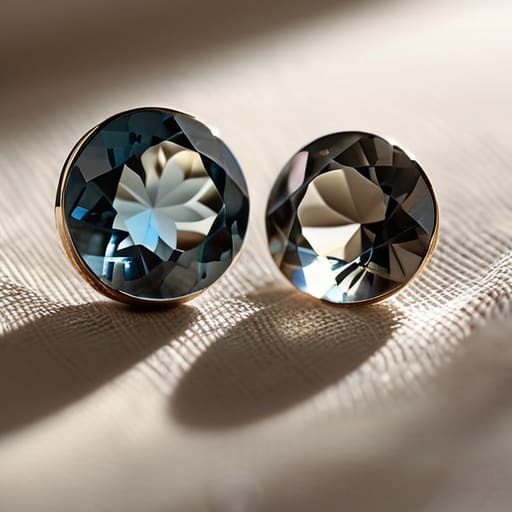
I spent six years in a grading lab, hunched over a microscope while the fluorescent lights hummed, and if there is one thing I’ve learned, it’s that people tend to overlook the most interesting things because they aren’t “vibrant.” There is this exhausting myth in the jewelry world that a stone has to scream with neon color to be worth your time or money. We’re told that if it isn’t a saturated sapphire or a bright emerald, it’s somehow dull or unimportant. But honestly? I think that’s nonsense. There is a quiet, sophisticated strength in grey gemstones and why they suit everyday wear that bright, flashy stones just can’t match—they don’t demand the spotlight, they just work with whatever you’re doing.
In this post, I’m going to strip away the marketing fluff and talk about what these stones actually are. I’ll help you distinguish a genuine, moody Labradorite or a sharp Grey Spinel from the cheap, cloudy glass imitations that flood the market. I’ll give you the mineral reality of these stones, and once you know how to spot the real thing, you can decide how you want to wear them.
Understanding Grey Gemstones and Why They Suit Everyday Wear
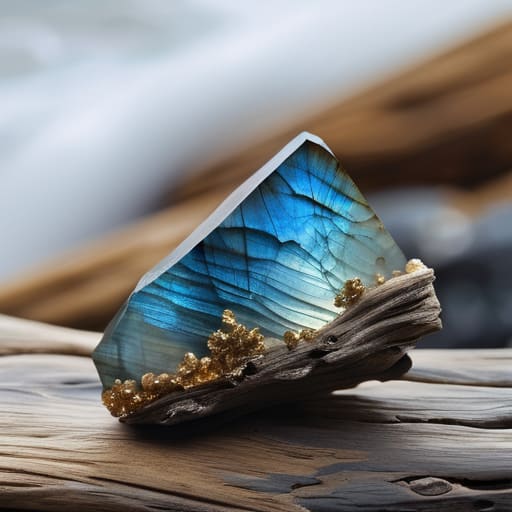
When I look at a grey stone, I don’t see “boring.” I see a spectrum of complexity that most people miss because they are chasing neon saturation. Take Labradorite, for instance. When it’s dry, it can look like a dull, heavy chunk of nothing, but once you hit it with the right light, those flashes of blue and gold appear. It’s a bit like the North Sea on a cloudy morning—flat at first glance, then suddenly alive. Because these stones don’t scream for attention, they become the backbone of a minimalist gemstone aesthetic. They sit quietly against your skin, working with your wardrobe rather than fighting it.
The real reason I find them so practical is their sheer utility in a busy life. If you are building a collection of durable grey gemstones for daily use, you aren’t just buying jewelry; you’re buying something that won’t clash with your Tuesday morning suit or your Saturday night sweater. A grey spinel or a smoky quartz has a certain weight and composure to it. They provide a groundedness that bright pink tourmaline just can’t match, making them the perfect anchor for anyone who wants stones that feel like a part of them, rather than a costume.
Key Things to Know
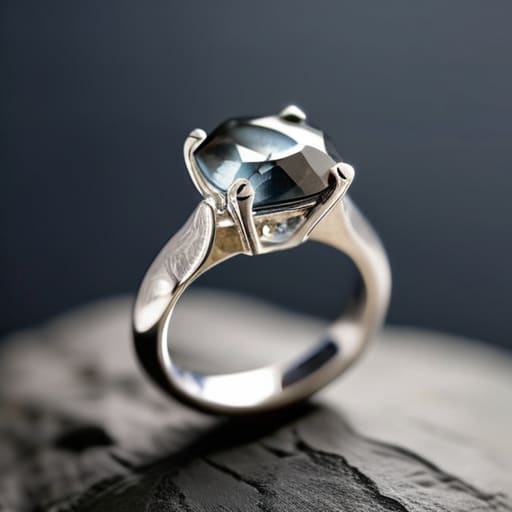
First, you need to look at the chemistry. When people talk about grey stones, they are often grouping together very different minerals. You might be looking at Labradorite, which has that flash of blue, or perhaps a smoky quartz that looks like tea left out in the rain. If you are shopping for durable grey gemstones for daily use, I always suggest looking at the Mohs scale first. A grey spinel is a much better bet for a ring you wear every day than a soft, greyish chalcedony that might scratch if you bump it against a desk.
Second, don’t get tripped up by “colorless” stones that are actually just poorly cut. A true grey stone has a depth to it, similar to the color of the North Sea on a heavy overcast day. This subtle tone is what makes them the backbone of a minimalist gemstone aesthetic. They don’t scream for attention like a bright ruby, but they hold their own. If you can tell the difference between a stone that is truly grey and one that is simply a muddy, low-quality version of a colored gem, you’re already ahead of most collectors.
Practical Tips and Steps
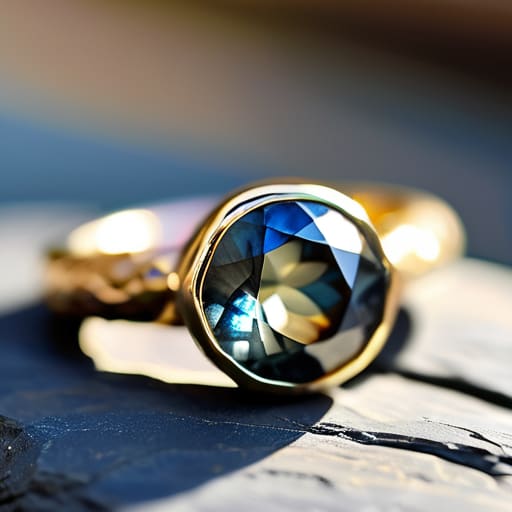
If you’re looking to integrate these stones into your life, start by checking the Mohs scale. For daily wear, I always suggest sticking to durable grey gemstones for daily use, like labradorite or even grey spinel. If you’re wearing a ring that’s going to bang against your desk or kitchen counters, avoid anything too soft like certain grey chalcedonies. You want something that can handle the friction of a normal Tuesday without losing its luster.
When it comes to styling, I tend to lean into a minimalist gemstone aesthetic. Because these stones don’t scream for attention like a bright pink tourmaline, they work beautifully when you layer them. Try pairing a matte grey moonstone with a silver chain; it looks like the color of the North Sea just before a storm. It’s a low-effort way to build a collection of versatile neutral gemstone jewelry that doesn’t clash with your wardrobe. Whether you’re wearing a bright summer linen or a heavy wool sweater, these stones just sit there quietly, doing their job without making the outfit look like a costume.
Common Mistakes to Avoid
The biggest mistake I see is people assuming “grey” is a single, flat category. It isn’t. If you buy a piece of Labradorite thinking it’s a simple grey quartz, you’re going to be disappointed when the light hits it and reveals those flashes of blue and green. Conversely, don’t mistake a cloudy, low-quality grey chalcedony for a high-end grey spinel. One is a lovely, soft stone, but they occupy very different ends of the value spectrum. Always check the refractive index or at least the weight; glass imitations often feel “wrong” in the hand—too light, too temperature-neutral.
Another trap is overcomplicating your look. People often try to force a minimalist gemstone aesthetic by pairing a single grey stone with a chaotic, multi-colored outfit, only to find the stone gets lost in the noise. Grey stones aren’t meant to shout; they are meant to anchor. Instead of trying to make them the star of a loud show, use them to ground your look. When you’re styling grey crystals with outfits, treat them like a well-tailored charcoal coat—they provide the structure that lets everything else make sense.
Final Thoughts
At the end of the day, I don’t care if you keep your stones in a velvet box or wear them while running errands in the rain. My job is just to make sure you know what you’re holding. Whether it’s a smoky quartz with that deep, wet-slate hue or a sharp grey spinel, knowing the mineralogy gives you a bit of ground to stand on. When you understand the hardness and the clarity of what you’ve bought, you stop worrying about the hype and start enjoying the object itself.
If you are looking to build a collection that actually lasts, I always suggest leaning into durable grey gemstones for daily use. They aren’t flashy in a way that demands attention, but they have a quiet strength. Moving toward a minimalist gemstone aesthetic isn’t about being boring; it’s about choosing pieces that don’t fight with your clothes or your mood. Once you’ve mastered the difference between a genuine stone and a bit of colored glass, you can focus on the fun part: making them yours.
On the utility of grey
People often mistake grey for a lack of color, but in a stone like a smoky quartz or a grey spinel, it’s actually just a quiet strength; they don’t shout at your outfit, they just ground it, looking as steady and dependable as a wet pebble on a North Sea beach.
Dagny Solheim
A Final Look at the Grey Spectrum
At the end of the day, choosing a grey gemstone comes down to knowing exactly what you are holding in your hand. We have talked about the difference between a genuine, cloudy Labradorite and a piece of dyed glass, and why a high-quality Hematite holds its luster differently than a cheap metallic coating. Whether you are looking for the steel-grey depth of a Spinel or the muted, stormy tones of a Moonstone, remember that the composition and the cut are what dictate how that light hits the facet. If you can spot the difference between a mineral and a man-made imitation, you aren’t just buying jewelry; you are acquiring a piece of the earth that has a measurable, physical history.
I don’t care if you buy these stones because you want a sophisticated piece of jewelry that matches your coat, or because you believe they hold a certain energy for your morning meditation. My job is simply to make sure you know the science behind the sparkle. There is something deeply grounding about wearing a stone that looks like a wet pebble from a Norwegian shoreline—it is honest, it is understated, and it doesn’t need to shout to be noticed. So, go ahead and find the grey stone that speaks to you, and wear it your way.
